2026 Best Walk In Humidity Chamber for Global Buyers?
Choosing the 2026 Best Walk In Humidity Chamber for Global Buyers requires more than comparing cabinet size or purchase price. Pharmaceutical, automotive, electronics, battery, and materials laboratories need stable humidity, uniform temperature, safe access, and dependable long-term operation. A chamber may look impressive on paper. Its performance can still disappoint during daily testing.
Recent market research supports this growing need. MarketsandMarkets’ Environmental Test Chamber Market analysis identifies electronics, automotive, aerospace, and pharmaceutical testing as major demand areas. Grand View Research also reports continued expansion in environmental testing equipment, driven by stricter product reliability requirements. These reports describe market direction, not guaranteed equipment quality. Buyers should verify every claim through witnessed testing and documented specifications.
A practical Walk In Humidity Chamber should provide traceable calibration, programmable humidity control, low condensation risk, and convenient maintenance access. IEC 60068-2-78 offers a recognized framework for steady-state damp heat testing. ISO/IEC 17025 principles also matter when laboratories require credible measurement results. Look closely at the sensor type, airflow pattern, recovery time, insulation joints, door seals, drain design, and emergency protection. A dripping ceiling or uneven rack temperature can invalidate expensive samples.
Experience often reveals what brochures hide. Ask suppliers for mapping records at loaded conditions, not only empty-chamber data. Request references from facilities with similar operating cycles. Energy consumption deserves attention, although published figures may use different test conditions. That comparison is imperfect. This guide evaluates leading options through performance, service capability, safety, documentation, and total ownership cost, helping global buyers make a more defensible decision in 2026.
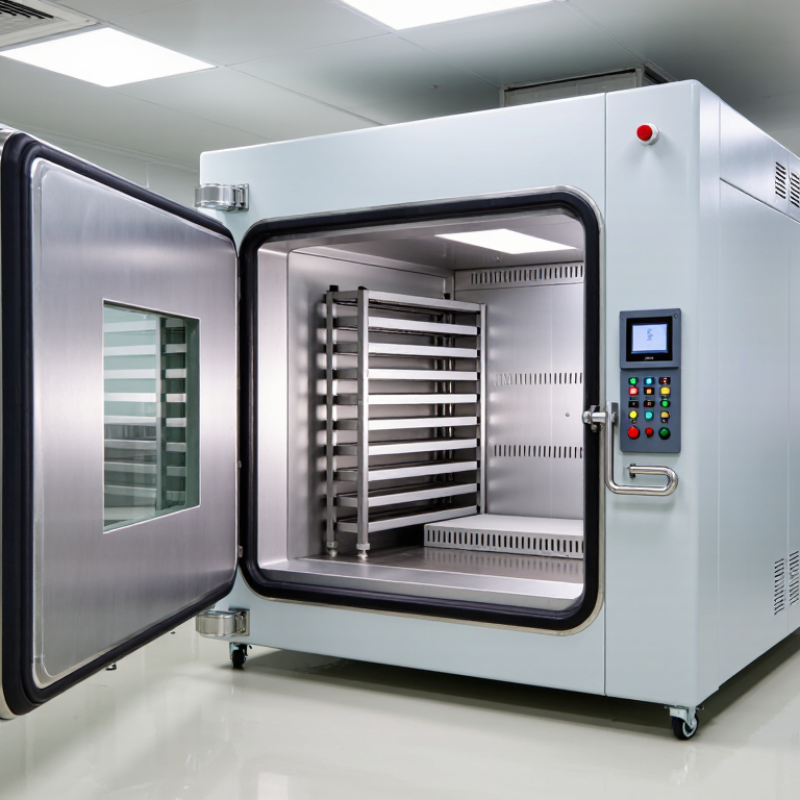
What Is a Walk-In Humidity Chamber?
A walk-in humidity chamber is a room-sized test enclosure for controlling moisture, temperature, and exposure time. Technicians enter the chamber to inspect large products, assembled systems, or multiple samples. Unlike a small benchtop unit, it provides enough space for equipment such as vehicle parts, batteries, cabinets, and packaging assemblies.
Inside, humidifiers, heaters, cooling systems, sensors, and air circulation work together. The controller maintains a selected relative humidity and temperature range. However, conditions are rarely identical in every corner. Airflow, sample placement, door openings, and heat from operating equipment can create small differences. That detail is easy to overlook. Reliable testing therefore requires calibrated sensors, documented procedures, and regular chamber mapping. Experienced operators also record recovery time after the door opens.
Tips: Check the usable interior dimensions, not only the advertised chamber size. Ask for humidity uniformity data, sensor calibration records, safety controls, and maintenance requirements. Confirm that the floor supports your load and that the doorway fits your largest test item. A local power review also matters, especially for global buyers using different voltage systems. When comparing equipment, do not judge only by maximum humidity. Stability, recovery speed, drainage, access, and service support may influence real testing quality more. Some specifications look impressive on paper, yet daily operation can feel less convenient. A practical site assessment can prevent that mistake.
Key Specifications for Global Testing Requirements
2026 Best Walk-In Humidity Chamber for Global Buyers?
Key Specifications for Global Testing Requirements
A reliable walk-in humidity chamber must match your product, site, and testing method. Temperature range is only the beginning. Check humidity control, chamber uniformity, ramp speed, and recovery time after door opening. For global projects, confirm whether the controller supports Celsius, Fahrenheit, programmable cycles, and secure data export. Remote monitoring can also help teams review tests across different time zones.
Chamber size matters more than many buyers expect. Leave enough space around samples for proper airflow. Shelves must support the real load, not an ideal laboratory load. Ask for mapping data at several positions, including corners and door areas. Calibration records should be traceable to recognized national or international standards. Relevant test methods may include IEC 60068 or applicable ASTM procedures, depending on your industry. A perfect chamber does not exist. Poor installation can still ruin excellent equipment.
Tips: Compare recovery time using your actual sample mass. Inspect door seals, drainage, lighting, and emergency controls before purchase. Check local voltage and available service support. Do not accept uniformity claims without test conditions. A smaller chamber may perform better than an oversized model with weak airflow. Also, plan maintenance early; humidity systems often reveal neglect slowly, then suddenly.
Installation, Safety, and Environmental Considerations
Selecting a walk-in humidity chamber for global use starts with the installation site, not the brochure. In commissioning projects, I have seen excellent chambers underperform because doors opened into hot corridors. Measure floor loading, ceiling clearance, service access, and drainage before purchase. A reinforced, level floor prevents panel movement and uneven door seals. Leave working space around compressors, controls, and electrical disconnects. The plan may look efficient, yet maintenance access is often underestimated.
Safety depends on practical controls and disciplined training. Install an emergency stop, door-release hardware, temperature and humidity alarms, and independent over-temperature protection. Verify grounding, circuit capacity, and local electrical requirements with a qualified engineer. Operators should avoid entering alone, especially during low-temperature cycles. A visible log should record calibration checks, alarm tests, cleaning, and corrective actions. Small omissions matter. A failed door heater can create ice, slippery flooring, and an unsafe escape route. Risk assessments should be updated after real operating experience.
Environmental performance requires more than low power ratings. Specify efficient insulation, LED lighting, heat recovery where suitable, and standby modes that do not compromise test stability. Control water quality to reduce scaling and unnecessary drain discharge. Select low-impact refrigerant systems according to regional requirements, then document servicing procedures. Monitor energy and water use monthly. Data often reveals waste that estimates miss. I would also review noise, heat rejection, and indoor air quality. A comfortable laboratory can still conceal poor ventilation. Some designs need revision after the first season. That's normal, if the lessons are recorded and acted upon.
Selecting the Best Walk-In Humidity Chamber Supplier
2026 Best Walk-In Humidity Chamber for Global Buyers?
Selecting the Best Walk-In Humidity Chamber Supplier
Selecting a supplier requires more than comparing chamber volume and quoted price. Ask for traceable calibration records, factory acceptance procedures, and documented service response times. A reliable supplier should explain sensor placement, steam generation, drainage, and condensate control in plain technical language. That matters when a 40°C room reaches 93% relative humidity, the steady-state damp-heat condition defined in IEC 60068-2-78.
Request a temperature and humidity uniformity map under actual operating conditions. Nine-point mapping is a useful buyer practice, although it is not a universal requirement. Review uncertainty calculations against NIST Technical Note 1297, which explains how measurement uncertainty should be evaluated and reported. Suppliers should also provide calibration traceability, alarm testing records, door-seal inspection results, and control-system recovery data after door opening.
I would not trust a polished brochure alone. Ask for two recent acceptance reports from comparable walk-in systems. Speak with the engineers who will support commissioning, not only the sales team. Check whether spare sensors, heaters, humidifiers, and gaskets remain available across your region. Some suppliers promise global service but outsource every difficult repair. That assumption can fail. Before signing, require a witnessed humidity recovery test, clear warranty exclusions, and written acceptance limits. Small omissions become expensive during validation.
