What is Anti Wear Hydraulic Oil and Why is it Important?
Anti-Wear Hydraulic Oil plays a crucial role in the functionality of hydraulic systems. According to John Matthews, a leading expert in hydraulic fluids, “The right oil can drastically reduce wear and prolong equipment life.” This statement underscores the significance of choosing the correct hydraulic oil for optimal performance.
Hydraulic systems operate under high pressure and need effective lubrication. Anti-Wear Hydraulic Oil helps minimize friction between moving parts. It prevents metal-to-metal contact, which can lead to costly repairs. Additionally, it enhances the overall efficiency of machinery. Choosing the wrong oil can result in inefficiencies and increased wear on components.
However, not all Anti-Wear Hydraulic Oils are created equal. Variations in formulations mean that some may not perform as well as advertised. Users must consider factors such as temperature range and compatibility with existing systems. Regular evaluation and testing of hydraulic oil are essential for maintaining equipment reliability and performance.
Definition and Composition of Anti Wear Hydraulic Oil
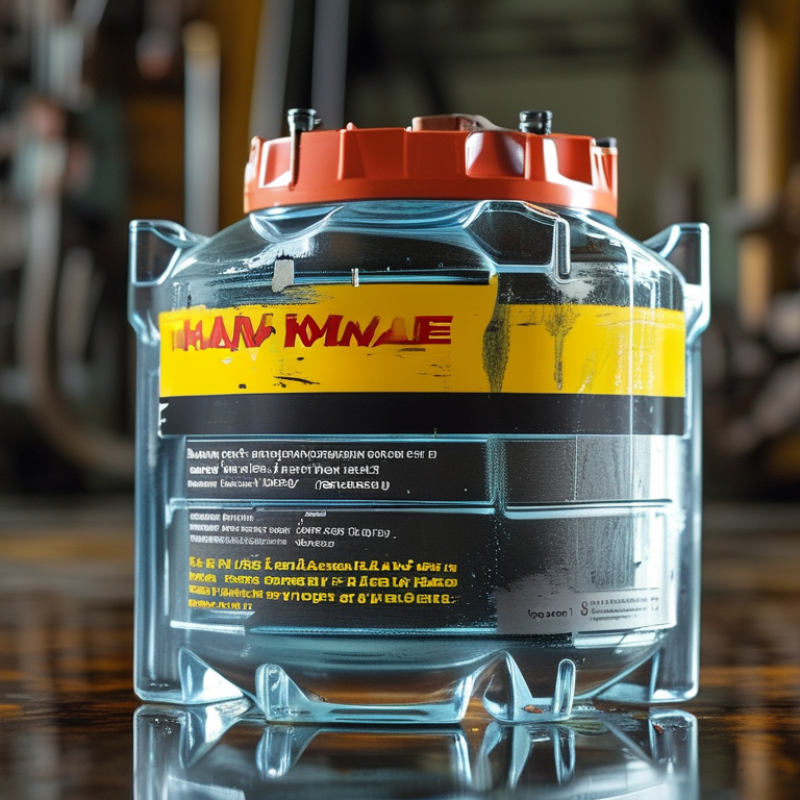
Anti-wear hydraulic oil is essential in many hydraulic applications. Its primary purpose is to reduce friction and wear between moving parts. This oil contains additives that enhance its performance and longevity. These additives form a protective film on surfaces, minimizing metal-to-metal contact.
The composition of anti-wear hydraulic oil includes base oil and various additives. The base oil can be mineral or synthetic. Additives like anti-oxidants, anti-foam agents, and anti-wear agents are crucial. They help improve the oil's stability and performance under high pressure and temperature. A well-formulated hydraulic oil can significantly extend equipment life.
However, not all anti-wear hydraulic oils are created equal. Some formulations may lack sufficient anti-wear properties. This can lead to increased wear and equipment failure over time. It’s important to select the right oil based on specific application requirements. Regularly checking oil condition can help identify potential issues early. This proactive approach can save time and resources in maintenance.
Key Functions and Benefits of Anti Wear Hydraulic Oil
Anti wear hydraulic oil plays a crucial role in various industrial and machinery applications. Its primary function is to minimize wear and tear on hydraulic components. Hydraulic systems often operate under extreme pressure and can experience significant friction. This oil provides a protective layer, reducing the risk of damage.
The benefits of anti wear hydraulic oil are numerous. It enhances equipment longevity, helping to maintain operational efficiency. By preventing wear, it reduces maintenance costs and downtime. Many users notice improved performance, as the oil allows for smoother operation of hydraulic systems. Regular usage can lead to fewer unexpected failures.
However, not all anti wear oils perform equally. Factors such as temperature fluctuations and contamination need careful monitoring. Users may find it beneficial to assess their specific needs, as this can impact oil selection. Ensuring proper oil quality is vital for optimal performance. Regularly testing oil samples can provide insights into oil condition and system health.
Applications of Anti Wear Hydraulic Oil in Industry
Anti-wear hydraulic oil plays a crucial role in various industries. It is designed to reduce friction and wear in hydraulic systems, ensuring smooth operations. This oil contains additives that enhance its anti-wear properties, making it essential for machinery longevity.
In construction and manufacturing, anti-wear hydraulic oil is commonly used. Heavy machines like excavators and forklifts rely on it for efficient performance. Without this oil, hydraulic components wear out quickly, leading to costly repairs. In the automotive sector, it supports systems like power steering. The oil ensures that moving parts work seamlessly together.
A drawback is that not all anti-wear oils are compatible with all systems. Choosing the wrong type can lead to equipment failure. Furthermore, as technology advances, new formulations emerge. This creates a challenge for businesses to stay updated. They must regularly reassess their oil choices to align with equipment specifications. Investing in quality oil can significantly reduce downtime and maintenance costs over time.
What is Anti Wear Hydraulic Oil and Why is it Important? - Applications of Anti Wear Hydraulic Oil in Industry
| Application Area | Importance of Anti Wear Hydraulic Oil | Typical Viscosity Grades | Common Properties |
| Construction Equipment | Reduces wear on moving parts, ensuring longevity and reliability | 46, 68 | High thermal stability, good anti-wear properties |
| Manufacturing Machinery | Improves efficiency by minimizing friction and heat generation | 32, 46 | Excellent oxidation stability, good lubrication under pressure |
| Agricultural Equipment | Daily wear resistance prolongs the lifespan of equipment, even in harsh conditions | 20, 46 | Water separation ability, good air release properties |
| Motor Vehicles | Enhances vehicle reliability by protecting hydraulic components | 15W-40, 20W-50 | Good shear stability, high viscosity index |
| Aerospace | Critical for performance and safety in operating hydraulic systems | ISO 32, ISO 46 | Low flammability, high lubricity |
Factors Influencing the Selection of Anti Wear Hydraulic Oil
When selecting anti-wear hydraulic oil, several key factors come into play. Viscosity is crucial. The oil must maintain its flow characteristics under high pressure and temperature. An oil that is too thick can impede movement, while one that is too thin may fail to protect critical components. Assessing the operating conditions of your machinery is essential for this choice.
Another important aspect is the oil's additive package. Anti-wear additives play a major role in reducing friction and wear in hydraulic systems. Look for oils containing zinc-based additives. These can enhance wear protection significantly. However, not all systems respond well to the same additives. Compatibility with existing fluids should never be overlooked.
Lastly, consider the environment in which the hydraulic system operates. High humidity or dust can affect the oil's performance. You may need oils that provide additional protection against contaminants. It's often beneficial to consult with experts or refer to industry guidelines. This ensures you choose the best option for your specific needs. Not every decision will be perfect, and there’s always room for improvement.
Maintenance and Storage Practices for Hydraulic Oils
Proper maintenance and storage of hydraulic oils are crucial for equipment longevity. Many industries rely on hydraulic systems, making oil quality a priority. According to a study from the National Fluid Power Association, over 60% of hydraulic system failures are linked to poor fluid maintenance. This highlights the importance of keeping hydraulic oils in optimal condition.
Storage should be done in clean, dry areas. Contamination can lead to performance issues and costly downtime. It's essential to use containers that prevent moisture and dirt from entering. Regularly checking for water and dirt contamination can help maintain oil integrity. Furthermore, keeping oils at stable temperatures can reduce volatility and degradation.
Routine analysis of hydraulic fluids is beneficial. Testing can reveal wear particles and moisture levels, providing key insights into oil performance. A report from the Society of Tribologists and Lubrication Engineers indicates that proactive maintenance can extend equipment life by up to 40%. Simple practices, like monitoring oil levels and changing filters, contribute significantly to system reliability and efficiency.
