Top Benefits of Aluminum Doors and Windows in Japan
In recent years, the demand for aluminum door and window in Japan has seen remarkable growth. According to a report by the Japan Aluminum Association, the market for aluminum windows and doors is projected to grow at a CAGR of 5% through 2025. This trend is driven by their durability, energy efficiency, and contemporary aesthetics.
Aluminum doors and windows offer a unique blend of modern design and strength. The lightweight nature of aluminum enhances installation efficiency. Moreover, their resistance to rust and corrosion ensures longevity, particularly in Japan's varied climatic conditions. However, not all users recognize the full range of benefits. Many still cling to traditional wooden options, often overlooking the advantages that aluminum presents.
As Japan focuses on sustainability, energy-efficient solutions are paramount. Aluminum door and window systems can significantly reduce energy consumption. Yet, there is a need for consumer education about these advantages. Industry professionals emphasize the importance of informed choices. Investing in aluminum solutions can lead to lower energy bills and increased property value. This is an evolving industry, and understanding it thoroughly is essential for consumers.
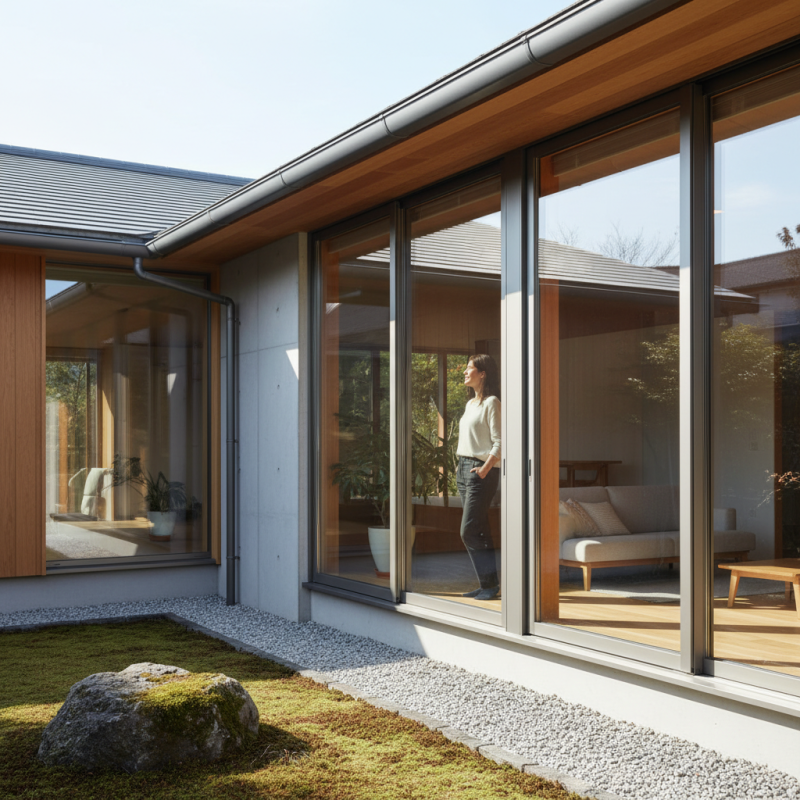
The Durability of Aluminum Doors and Windows in Japanese Climate Conditions
Aluminum doors and windows offer remarkable durability, especially in Japan’s diverse climate. The country experiences both heavy rainfall and intense humidity. Aluminum is resistant to rust, which is crucial in such conditions. This material holds up well against the elements, ensuring longevity and consistent performance.
During summer, temperatures can rise significantly, but aluminum frames help maintain a stable indoor environment. They are less prone to warping, a common issue with wood. Additionally, aluminum's lightweight nature allows for larger designs that let in more natural light. However, it is essential to consider thermal insulation. Poorly insulated aluminum can lead to heat loss in winter. Choosing options with thermal breaks can effectively address this problem.
The aesthetic appeal of aluminum is another benefit, but it’s not without challenges. The finish can wear over time, leading to maintenance requirements. Some homeowners struggle with routine upkeep to preserve appearance and insulation. Balancing durability with ongoing care is vital for a satisfactory investment.
Energy Efficiency: How Aluminum Frames Reduce Heating Costs
Aluminum doors and windows have become increasingly popular in Japan. These structures offer significant energy efficiency, crucial in a country with varying climates. According to a report by Japan's Ministry of the Environment, energy-efficient windows can reduce heating costs by up to 30%. Aluminum frames, with their inherent strength, support larger panes of glass without compromising insulation.
Thermal breaks in aluminum frames are key to minimizing heat loss. This technology helps maintain indoor temperatures, leading to lower energy bills. Homes with well-insulated aluminum windows can significantly reduce reliance on heating systems, especially during colder months. However, not all aluminum windows are created equal. It’s essential to look for those paired with high-performance glazing to maximize energy efficiency.
Tip: When selecting aluminum windows, consider double or triple glazing. This can greatly enhance insulation. Proper installation also plays a significant role. Gaps or improper seals can lead to heat loss. Regular maintenance checks can help ensure your energy savings remain consistent. Keep in mind; the initial investment may seem high, but the long-term savings often justify the costs.
Top Benefits of Aluminum Doors and Windows in Japan - Energy Efficiency: How Aluminum Frames Reduce Heating Costs
| Feature | Description | Impact on Energy Efficiency | Estimated Cost Savings (%) |
| Thermal Break Technology | Insulates the metal frame to reduce heat transfer. | Minimizes heating loss during winter. | 20-30% |
| Weatherproof Seals | Prevents drafts and water leakage. | Increases overall insulation efficiency. | 15-25% |
| Low-Emissivity Glass | Reflects heat back into the room. | Reduces energy needed for heating. | 10-20% |
| Durability and Longevity | Highly resistant to corrosion and wear. | Lower replacement frequency saves energy over time. | N/A |
| Environmentally Friendly | Recyclable material reduces environmental impact. | Decreases carbon footprint in production. | N/A |
Corrosion Resistance: The Long-Term Benefits for Coastal Regions in Japan
Aluminum doors and windows offer significant advantages in Japan, especially in coastal regions. Their corrosion resistance is vital due to the salty air and humid climate. According to the Japan Building Disaster Prevention Association, coastal areas can experience a corrosion rate of around 0.13 to 0.3 mm per year for untreated materials. In contrast, aluminum can withstand these harsh conditions much better, significantly increasing the lifespan of the structures.
Using aluminum windows and doors can lead to a lower maintenance requirement. Traditional materials often require frequent painting or sealing to prevent corrosion. A report from the Building Research Institute states that aluminum requires minimal upkeep, which saves time and resources for homeowners. Additionally, the energy efficiency of aluminum framing can contribute to lower energy bills. Data suggests that buildings with well-insulated aluminum frames can save up to 20% on heating and cooling costs.
However, some might argue that aluminum can be less aesthetically appealing compared to wood or vinyl. This perception may vary by individual preferences. Still, modern finishes and designs are evolving to address these concerns. Homeowners must weigh the long-term benefits against their immediate visual preferences, considering factors like durability and resistance to the coastal environment.
Aesthetics and Customization Options for Modern Japanese Architecture
Aluminum doors and windows have become a popular choice in modern Japanese architecture, not only for their functional benefits but also for their aesthetic appeal. Their sleek lines and minimalist profiles seamlessly blend with contemporary design. This creates a harmonious balance between nature and structure. Designers often highlight the beauty of aluminum by incorporating large glass panels. This allows ample natural light into homes, creating open and inviting spaces.
Customization options further enhance the appeal of aluminum features. Architects can choose from various colors, finishes, and styles to meet specific design visions. Different anodizing techniques allow for unique textures and patterns. Homeowners can emphasize personal taste while maintaining a consistent architectural theme. However, as aluminum becomes more popular, reflections on sustainability become crucial. Are we prioritizing aesthetics over the environmental impact? It's an important question that warrants careful consideration.
The combination of strength and flexibility is a defining trait of aluminum. Yet, potential buyers should reflect on the thermal efficiency of their choices. Not all aluminum windows offer the same insulation properties. Each design must be evaluated for its energy efficiency impact on the environment and home energy bills. Having the right balance between beauty and functionality remains the ultimate goal in modern Japanese architecture.
Top Benefits of Aluminum Doors and Windows in Japan
Sustainability: The Environmental Impact of Aluminum Recycling in Japan
Aluminum recycling in Japan plays a crucial role in environmental sustainability. In 2021, Japan achieved an impressive aluminum recycling rate of 94%, among the highest globally. This efficiency not only conserves resources but also significantly reduces greenhouse gas emissions. The recycling process uses only 5% of the energy needed to produce new aluminum from ore. This energy saving translates into a substantial decrease in carbon emissions, making aluminum a highly sustainable material choice.
Local municipalities and organizations promote recycling initiatives. Community engagement is essential. Regular collection programs and awareness campaigns help citizens understand the importance of recycling aluminum products. However, there are challenges. A portion of the population remains unaware of the full benefits of recycling aluminum. Misconceptions about sorting can lead to contamination in recycling streams, impacting overall efficiency.
Yet, the potential for improvement is significant. Increasing public education could elevate recycling rates further. Experts suggest that even a small increase in participation could lead to a measurable reduction in landfill waste. Continuous efforts in research and development can enhance recycling technologies, making the process even more efficient. The pursuit of perfecting aluminum recycling remains a work in progress, essential for Japan’s environmental goals.
