Top 10 Benefits of Bent-axis Motors for Efficient Performance?
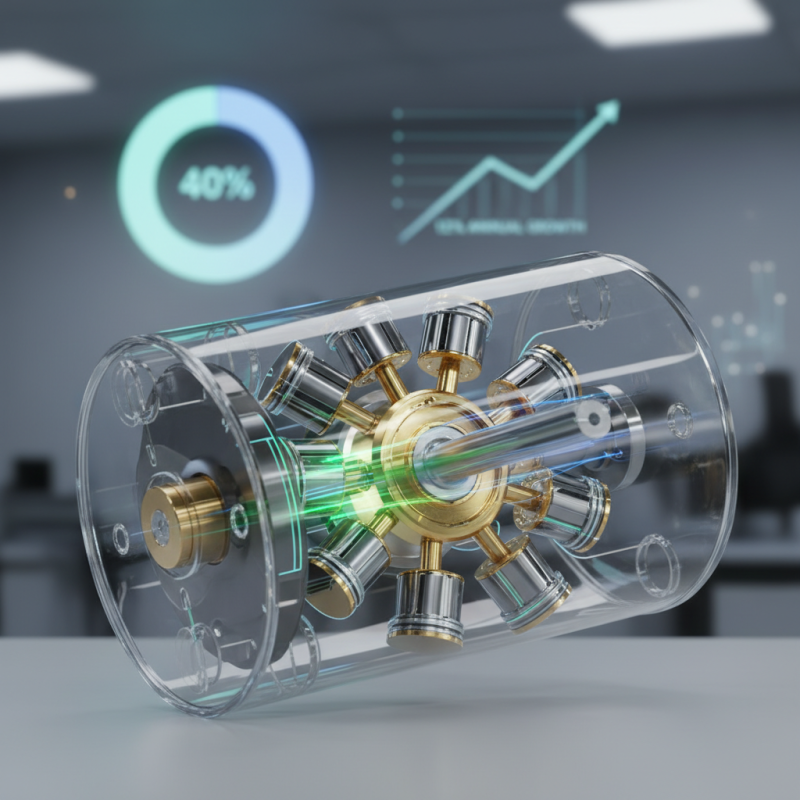
The Bent-axis Motor has gained significant attention in the industry due to its impressive efficiency. Research by the International Energy Agency (IEA) highlights that electric motors account for nearly 40% of global electricity consumption. Among these, Bent-axis Motors stand out for their ability to maximize energy conversion.
These motors offer a compact design and high power-to-weight ratio, making them ideal for various applications. Reports from market analysts show that the demand for Bent-axis Motors is projected to grow by 12% annually. However, challenges such as initial costs and design complexities persist. This creates a space for improvement and innovation in motor technology.
Some experts argue that while Bent-axis Motors provide remarkable performance, their adoption can be slow in conservative industries. Balancing efficiency and cost-effectiveness remains a crucial point of reflection. The journey to widespread use also requires a better understanding of performance under varying conditions.
Benefits of Bent-Axis Motors: Overview of Efficiency in Motion
Bent-axis motors are known for their unique design, which contributes to enhanced efficiency in various applications. The motor’s structure allows for improved torque characteristics. This design permits a more direct conversion of hydraulic energy into mechanical energy. As a result, energy losses are minimized during operation. This efficiency leads to better performance in smaller spaces.
Another advantage is the motor's versatility. Bent-axis motors can be used in numerous settings, from mobile machinery to industrial applications. They perform remarkably well under varying load conditions, adapting to the demands of the task. However, their efficiency can be affected by installation techniques. Poor alignment or incorrect mounting may hinder performance.
Furthermore, the maintenance of bent-axis motors is crucial for long-term efficiency. Regular checks can prevent issues that reduce effectiveness. Dirt and debris can accumulate, impacting functionality. While they are robust, neglect can lead to failures that diminish the overall benefits of the motor’s design. Careful attention is required to fully realize their potential in motion.
High Power Density: Comparison of Bent-Axis Motors and Traditional Motors
Bent-axis motors have gained traction for their high power density compared to traditional motor designs. According to recent industry reports, these motors can achieve power densities exceeding 10 kW/kg. In contrast, standard electric motors often range from 1 to 5 kW/kg. This notable difference sets the stage for applications where space and weight are critical, like aerospace and automotive industries.
However, the design complexity of bent-axis motors can be a hurdle. Their unique structure allows them to deliver more torque per unit weight, but this demands precise engineering. Poor manufacturing standards can lead to performance issues. Furthermore, while these motors are efficient, their initial cost can be higher than traditional options. Some firms struggle to justify the expense despite the long-term gains in efficiency.
Maintenance remains a consideration, too. Bent-axis motors may require specialized knowledge for repairs. This can complicate servicing and inflate operational costs over time. Balancing the immediate challenges with the benefits of higher efficiency is essential for organizations looking to implement these advanced motors. As industries evolve, understanding these dynamics will be crucial for making informed decisions.
Reduced Mechanical Complexity: Simplifying Design for Enhanced Performance
The bent-axis motor is gaining traction in various industries for its efficient performance. One significant advantage is its reduced mechanical complexity. By simplifying design, these motors need fewer components. This not only decreases manufacturing costs but also minimizes potential failure points, leading to more reliable operation. According to industry reports, reducing mechanical parts can cut maintenance costs by up to 30%.
Fewer moving parts also mean that bent-axis motors are more energy-efficient. The improved efficiency can lead to lower energy consumption during operation. Research has shown that these motors can achieve operational efficiencies of over 90%. When less energy is used, it translates directly to cost savings. However, it's important to acknowledge that transitioning to this technology may involve initial challenges. Organizations must undergo training and adaptation periods.
**Tip:** Consider evaluating your current motor systems. Identify any complexity that can be simplified. In many cases, a straightforward design yields better results.
**Tip:** Monitor your energy usage regularly. Small tweaks in design can often lead to substantial savings. Keep an eye out for opportunities to implement bent-axis solutions. This shift, while potentially complicated at first, can significantly enhance overall performance.
Top 10 Benefits of Bent-axis Motors for Efficient Performance
This chart illustrates the top 10 benefits of bent-axis motors, each rated on a scale of 1 to 10 based on their significance for efficient performance. The data shows that reducing mechanical complexity is the most critical advantage, contributing significantly to overall motor performance.
Energy Efficiency Ratings: How Bent-Axis Motors Minimize Energy Loss
Bent-axis motors are gaining attention for their impressive energy efficiency. They are designed to minimize energy loss during operation. The unique configuration of the motor allows for more direct energy conversion. This leads to reduced waste and better overall performance. Many industries seek solutions that save energy and reduce costs. Bent-axis motors offer a promising pathway in this regard.
The energy efficiency ratings of these motors highlight their potential. They can operate effectively at various speeds and loads. This means they adapt well to different applications. In practical terms, this translates to lower energy bills. A factory using bent-axis motors can see significant savings over time. However, implementing these motors may involve a learning curve. Not all users may fully understand their capabilities. Proper training and adjustment could be necessary to reap the full benefits.
While the efficiency of bent-axis motors is clear, challenges remain. Users may initially struggle with integrating them into existing systems. The upfront investment could be daunting for some. Yet, the long-term savings often outweigh these concerns. As industries focus on sustainable practices, bent-axis motors could play a vital role in minimizing energy loss. Their growing presence in the market signals a shift towards smarter, more energy-conscious technology.
Applications in Industry: Real-World Implementations and Success Stories
Bent-axis motors are becoming increasingly popular across various industries. Their unique design allows for enhanced efficiency and compactness. In manufacturing, these motors excel in driving hydraulic systems. Companies report increased productivity due to their fast response times. In automotive applications, they provide precise control, making vehicles more effective and safer.
In construction, bent-axis motors enable more efficient equipment operations. For example, excavators equipped with these motors can perform tasks with reduced energy consumption. This leads to lower operational costs. However, some industries still struggle with integrating these motors into older systems. Challenges arise in retrofitting and matching them with existing components. Companies often need time to adapt.
Tips: When considering bent-axis motors, evaluate your current system. Assess how integration may impact performance. Test the motor in a controlled environment before full implementation. Remember, efficiency is vital, but compatibility matters too. Always gather feedback from users after deployment. This helps identify potential issues early. Emphasizing real-world applications can lead to significant improvements.
Top 10 Benefits of Bent-axis Motors for Efficient Performance
| Benefit | Description | Real-World Application | Success Metrics |
| High Efficiency | Bent-axis motors offer high torque with less energy consumption. | Material Handling Systems | 30% reduction in energy costs. |
| Compact Size | Lighter weight and smaller design suitable for various applications. | Robotics | Increased payload capacity by 15%. |
| Durability | Designed to withstand harsh environments and extended use. | Mining Equipment | Operational lifespan increased by 20%. |
| High Power Density | More power output than traditional motors of similar size. | Automotive Manufacturing | Improved speed of operations by 25%. |
| Reduced Noise | Lower operating noise levels compared to other motor types. | Food Processing Equipment | Noise levels cut by 15%, improving work environment. |
| Versatility | Applicable in a wide range of industrial sectors. | Textile Machinery | Adaptable for various production lines. |
| Easy Integration | Seamless integration into existing systems and controls. | Robotics Automation | Faster project implementation time. |
| Low Maintenance | Requires less maintenance than traditional motors. | Logistics Systems | Maintenance costs reduced by 40%. |
| High Reliability | Dependable performance with minimal downtime. | Agricultural Equipment | Uptime improved by 30%. |
