Top 10 Benefits of Using Perforated Mesh Machines for Manufacturing?
In recent years, the demand for perforated materials has surged across various industries. According to a recent report from MarketsandMarkets, the global mesh market is projected to reach $20 billion by 2026, driven by the need for lightweight yet durable materials in sectors like construction and automotive. Central to this trend is the Perforated Mesh Machine, which streamlines the production process and enhances efficiency.
The use of Perforated Mesh Machines offers manufacturers distinct advantages. They produce precise holes with various patterns, meeting intricate design specifications. This capability is especially important in applications like filtration and architectural design, where aesthetic and functional requirements often overlap. Notably, the flexibility of these machines allows for rapid adjustments, enabling companies to respond swiftly to market changes.
However, it's crucial to address potential challenges in this manufacturing approach. While Perforated Mesh Machines are efficient, initial costs may pose barriers for smaller companies. Additionally, ensuring consistent quality across different production runs can be complex. Industry experts recommend careful monitoring of machine performance to maintain reliability. Overall, integrating Perforated Mesh Machines presents both opportunities and considerations that manufacturers should evaluate thoughtfully.
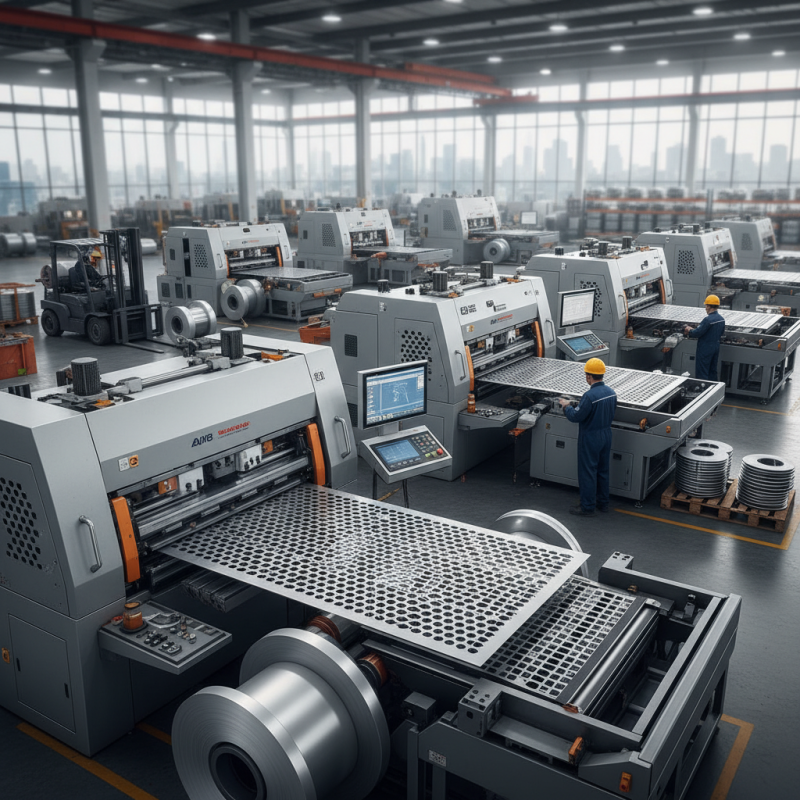
Advantages of Enhanced Production Efficiency with Perforated Mesh Machines
Perforated mesh machines have revolutionized the manufacturing sector. These machines significantly enhance production efficiency, giving manufacturers the edge in meeting demands. The ability to create precise openings in materials allows for increased airflow and reduced weight. Such features are critical in industries ranging from construction to automotive.
One important tip is to assess the material being used. Different materials may require varied perforation techniques. Understanding these nuances can optimize the machine's performance. Additionally, maintenance is crucial. Regular checks can prevent technical issues, ensuring consistent output.
Another aspect to consider is the design of the mesh. Customizing mesh patterns can lead to better functionality. It directly affects the aesthetics and performance of the final product. Manufacturers should experiment and collect feedback for continuous improvement. Ultimately, adapting to changing needs can keep production lines efficient and responsive.
Cost Reduction Through Material Savings in Manufacturing Processes
Manufacturing efficiency is key to staying competitive. One significant advantage of using perforated mesh machines is cost reduction through material savings. These machines create precise holes in sheets, allowing for better resource management. The design minimizes waste by utilizing minimal material for maximum output. By optimizing how materials are used, manufacturers can lower expenses without compromising quality.
Additionally, the ability to recycle scrap material from perforated sheets further enhances savings. Traditional methods often lead to excessive waste. However, perforated mesh machines allow manufacturers to repurpose leftover material effectively. This process not only cuts costs but also aligns with sustainable practices. Yet, there are challenges to consider. Proper training is essential to maximize machine efficiency, as improper handling can lead to costly mistakes.
Investing in perforated mesh technology requires thoughtful decision-making. The initial outlay may be considerable, but the long-term savings can offset this. Companies need to weigh these factors carefully. They must also consider the learning curve associated with new machinery. While the benefits are clear, each business must ensure they are ready for the transition. Engaging with experts in the field can provide valuable insights to navigate this process effectively.
Improved Airflow and Weight Management in Customized Products
Perforated mesh machines have transformed manufacturing, particularly in enhancing airflow and weight management. The design of these machines creates materials that optimize ventilation. This airflow is beneficial for numerous applications, especially in industries like automotive and aviation. Improved air circulation results in less heat buildup, leading to better performance.
Weight management is crucial in product design. Using perforated materials can significantly reduce weight without compromising structural integrity. Lightweight products benefit from increased efficiency, especially in transportation. However, achieving the right balance is challenging. Overly perforated materials may weaken components, reducing their load-bearing capacity.
Customization is vital for meeting specific needs. While perforated mesh allows for innovative designs, standards must be followed. Maintaining material strength is key. Companies must carefully evaluate how perforation affects product durability. A methodical approach helps in achieving desired results while ensuring reliability. Ultimately, understanding the trade-offs between airflow, weight, and strength leads to better outcomes in manufacturing.
Versatile Applications Across Various Industries Utilizing Perforated Mesh
Perforated mesh machines serve a wide array of industries. These machines create mesh with precise holes tailored for specific applications. In construction, they provide structural support while allowing ventilation. This can improve air quality in buildings. The versatility of perforated mesh extends to automotive and aerospace manufacturing, where lightweight yet durable components are crucial.
Food processing benefits significantly from perforated mesh as well. It enables efficient filtering and separation processes, enhancing product purity. Additionally, the machines allow for the production of consumer goods, ranging from decorative items to everyday tools. However, some challenges exist. Maintaining quality control in perforation can be complex. Often, manufacturers must adjust their processes to minimize waste and improve efficiency.
Perforated mesh has applications in environmental sectors too. It is used in water treatment systems, aiding filtration. Yet, there is a learning curve in mastering these machines. Not all operators fully understand their capabilities, leading to underutilization. Continuous training and knowledge sharing is essential to maximize the benefits that perforated mesh machines offer across industries.
Quality Control and Consistency Achieved with Advanced Technology
Perforated mesh machines have revolutionized manufacturing. By utilizing advanced technology, manufacturers can achieve exceptional quality control and consistency. These machines precisely create holes in materials, enhancing their strength and functionality. The result is a product that meets stringent specifications and performance requirements.
One of the notable benefits is the reduction of human error. While skilled operators are essential, even the best can make mistakes. Automated processes minimize these risks. Machines operate based on precise calculations. This method eliminates the variability common in manual processes. Over time, companies can trust that each unit produced will adhere to quality standards.
Quality control doesn’t just end with production. Regular maintenance of perforated mesh machines is critical. Without proper care, inconsistencies may arise, leading to defects. Manufacturers must also monitor output continuously. Data analysis can help identify any trends that signal potential issues. Recognizing these factors allows for timely adjustments and repairs.
Top 10 Benefits of Using Perforated Mesh Machines for Manufacturing
| Benefit | Description | Impact on Manufacturing |
| Improved Efficiency | Automation reduces manual labor and speeds up production. | Increases output and reduces lead time. |
| Precise Hole Patterns | Consistent hole sizes and placements enhance product quality. | Provides uniform strength and performance. |
| Material Savings | Optimized use of materials by reducing waste. | Lower costs and higher profit margins. |
| Enhanced Durability | Stronger finished products due to consistent hole structure. | Improved product lifespan and customer satisfaction. |
| Versatility | Suitable for a variety of materials and designs. | Attracts a diverse customer base. |
| Quality Control | Automated inspections reduce errors. | Consistent product reliability. |
| Reduced Labor Costs | Fewer workers needed for production lines. | Increased profitability. |
| Faster Prototyping | Quick adjustments and iterations. | Speeds up product development cycles. |
| Environmentally Friendly | Efficient use of materials minimizes waste. | Positive brand image and compliance with regulations. |
| Innovation Driven | Facilitates new designs and creative applications. | Keeps the company competitive in the market. |
