Top 10 Benefits of Plastic Casting You Need to Know?
Plastic casting is a versatile technique widely used across various industries. According to recent market reports, the global plastic casting market is projected to reach $12 billion by 2025, driven by increased demand in automotive and consumer goods sectors. This growth highlights the importance of understanding its benefits.
One key advantage of plastic casting is its cost-effectiveness. Many manufacturers achieve significant savings in material and production costs. Additionally, this process allows for intricate designs and high precision, which are crucial in modern manufacturing. However, it also raises questions about sustainability and the environmental impact of plastic waste. The industry must address these issues to promote a more sustainable future.
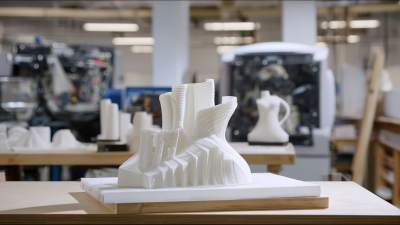
Incorporating advanced technologies, like 3D printing in plastic casting, has opened new avenues for innovation. Enhanced durability and lighter weight materials are now possible, meeting high-performance standards. Yet, this rapid evolution requires continuous reflection on best practices and potential shortcomings in quality control. Thus, understanding the benefits of plastic casting is essential for manufacturers aiming to stay competitive and responsible.

Benefits of Plastic Casting in Various Industries
Plastic casting offers numerous advantages across various industries, making it a popular choice. In automotive manufacturing, for instance, lightweight plastic components enhance fuel efficiency. These parts are often more affordable than metal alternatives. In the consumer goods sector, companies utilize plastic casting to create durable, eye-catching designs. This helps products stand out in a competitive market.
In electronics, plastic casting ensures that intricate designs are achieved with precision. It allows for the encapsulation of sensitive components, enhancing their lifespan. However, concerns about environmental impact arise. Recycling options for plastic remain limited, and this poses challenges. Despite this, the adaptability of plastic casting continues to drive innovation. Designers must consider sustainability when opting for plastic materials. Balancing performance with environmental responsibility is crucial.
Cost-Effectiveness of Plastic Casting Compared to Traditional Methods
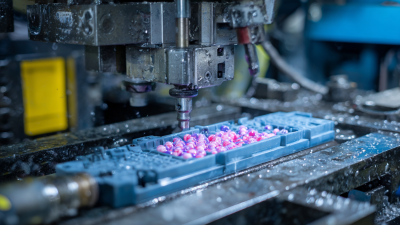
Plastic casting offers exceptional cost-effectiveness compared to traditional manufacturing methods. It reduces both material waste and labor costs. Unlike metal casting, which usually requires extensive machining, plastic casting can create intricate shapes with minimal post-processing. This means lower production costs for businesses.
Tips: When considering plastic casting, evaluate your design thoroughly. Adjusting the design may save more money in production. Also, explore different types of plastics. Each type can impact both the cost and the final product's durability.
Another aspect to consider is the speed of production. Plastic casting often allows for faster turnaround times. This quick production cycle can help businesses respond to market demands swiftly. However, depending on the complexity, initial setup can be time-consuming and might cause delays. It’s crucial to balance speed and quality.
Tips: Always prototype before large-scale production. A small scale trial can reveal potential issues. Learning from minor setbacks early can lead to significant savings later.
Top 10 Benefits of Plastic Casting
Enhanced Design Flexibility with Plastic Casting Techniques
Plastic casting techniques offer remarkable design flexibility. This versatility is crucial for innovation. Designers can create complex shapes that traditional methods may struggle with. The ability to produce intricate detailing empowers creativity. They can adjust dimensions and features easily based on project needs.
Moreover, working with various plastics enhances aesthetic options. Colors and finishes can be tailored to suit specific tastes. With a wide selection, designers can easily choose materials that resonate with their vision. However, this abundance can also lead to decision fatigue. Sometimes, simpler choices might yield better results.
Additionally, the rapid prototyping enabled by plastic casting enables experimentation. Quick iterations allow for testing of different designs in a short time. Designers can refine their work without extensive delays. Yet, this fast pace may sometimes encourage a lack of thorough evaluation. It's vital to balance speed with thoughtful reconsideration of design elements.
Top 10 Benefits of Plastic Casting You Need to Know
| Benefit |
Description |
Application |
| Design Flexibility |
Allows creation of complex shapes and forms that are difficult to achieve with other methods. |
Automotive parts, consumer goods. |
| Cost-Effectiveness |
Lower production costs due to reduced material waste and fast production cycles. |
Large-scale manufacturing. |
| Lightweight |
Produces lightweight components that can improve overall product efficiency. |
Aerospace, electronics. |
| Durability |
Creates strong parts resistant to impacts and environmental factors. |
Industrial equipment, outdoor products. |
| Quick Production |
Fast turnaround times from design to finished product. |
Prototyping, short-run manufacturing. |
| Recyclability |
Many plastic casting materials are recyclable, reducing environmental impact. |
Sustainable product design. |
| Surface Finish |
Achieves superior surface finishes, often eliminating the need for post-processing. |
Consumer product design, decorative items. |
| Material Variety |
Available in a wide range of materials with different properties and aesthetics. |
Medical devices, consumer electronics. |
| Low Maintenance |
Plastic parts often require less maintenance compared to metal counterparts. |
Consumer appliances, automotive components. |
| Easy Integration |
Facilitates easy integration with other materials and manufacturing processes. |
Multimaterial assemblies, hybrid products. |
Durability and Longevity of Plastic Cast Products
Plastic casting offers remarkable durability and longevity, making it an attractive choice for various applications. Unlike other materials, cast plastics are resistant to wear and tear. They can withstand harsh environmental conditions, such as moisture and UV exposure. This means they maintain their integrity over time, even in challenging settings.
The longevity of plastic cast products often surprises users. When properly maintained, these products can last for years without significant degradation. However, there are times when cost-cutting measures lead to shortcuts in production quality. This can impact the expected lifespan of the final product. Users should always consider the potential trade-offs between cost and quality when selecting plastic casting options.
While many appreciate the benefits of plastic casting, it's essential to acknowledge possible downsides. Not all plastics are created equal, and some may lack the strength needed for specific applications. It's vital to research and choose suitable materials based on their purpose. Investing time in this process can greatly enhance the overall value and performance of plastic cast products.
Environmental Impact: Sustainability of Plastic Casting Materials
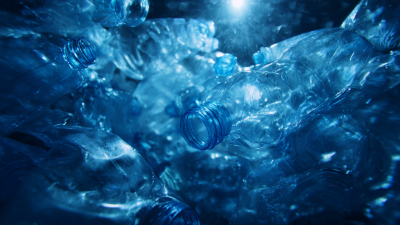
Plastic casting has gained attention for its environmental sustainability. According to a report from the Plastics Industry Association, plastic materials can be recycled infinitely. This reduces waste and conserves resources. However, the recycling rate for plastics remains low, around 9% in some regions. The challenge lies in improving recycling systems and consumer participation.
Bioplastics are an emerging alternative. These materials often come from renewable resources, aiming for a lower carbon footprint. A study by the World Economic Forum noted that bioplastics could reduce greenhouse gas emissions by 30% compared to traditional plastics. Yet, the production processes can still consume significant energy.
While plastic casting offers many benefits, it also presents ecological concerns. Manufacturing new plastic contributes to pollution. Inefficient recycling leads to environmental damage. Addressing these issues requires collaboration across various sectors. Collective efforts focus on enhancing recycling technologies and developing sustainable materials. Solutions are evolving, but there is still much work to be done in this area.