Top 10 Benefits of Using a Piston Air Compressor for Business?
In today's competitive business landscape, efficient tools are essential for success. A Piston Air Compressor stands out as a powerful solution for various industries. This technology delivers unmatched performance and reliability, making it a favorite among professionals.
Many businesses rely on Piston Air Compressors to meet their operational needs. They are versatile and can handle heavy-duty tasks with ease. This equipment not only saves time but also reduces energy costs. However, selecting the right compressor can be daunting. Understanding the specific benefits it offers is crucial for making informed decisions.
Moreover, while a Piston Air Compressor has numerous advantages, it may not be the best fit for every business. Some may find its maintenance requirements challenging. Evaluating these aspects is vital for optimizing your operations. Overall, the benefits of using a Piston Air Compressor can significantly enhance productivity when utilized correctly.
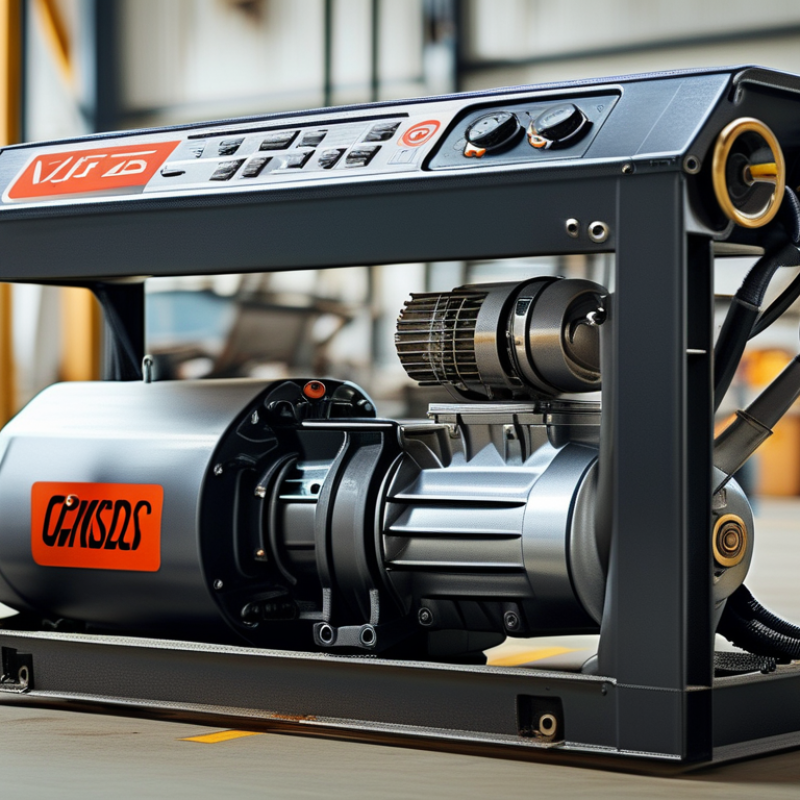
Advantages of Piston Air Compressors in Industrial Applications
Piston air compressors hold a strong presence in industrial applications. They provide consistent and reliable airflow, essential for powering pneumatic tools. These compressors can handle heavy-duty tasks efficiently, ensuring smooth operations throughout the workday. Additionally, their robust design makes them durable, capable of sustaining extensive use in various environments.
Maintenance is crucial, yet some may overlook it. A well-maintained piston compressor can last years, but neglect can lead to failures. Regular checks on oil levels and air filters can significantly enhance performance. Many users find that investing time in upkeep pays off with improved efficiency.
Another aspect to consider is noise levels. Piston compressors can be louder than rotary models. This factor might pose challenges in environments where noise is an issue. Additionally, their size can be a drawback in tight spaces. Balancing space and power needs is essential for optimal use. Despite these potential downsides, the benefits of using piston air compressors remain significant in industrial settings.
Cost-Effectiveness: How Piston Compressors Save Money for Businesses
Businesses are always looking for ways to save money. One effective option is using piston air compressors. These machines offer significant cost savings due to their energy efficiency. Piston compressors typically consume less power compared to other types, lowering monthly utility bills.
Maintenance costs are another consideration. Piston compressors are designed for durability. With proper care, they can last for many years, reducing the need for frequent replacements. Regular maintenance is essential, but the overall expenses can still be lower than other compressor types. In some cases, businesses may overlook the importance of routine checks, leading to unexpected failures.
Moreover, piston air compressors provide reliable performance. They can handle high-demand tasks with ease, ensuring productivity. When a compressor fails, it can halt operations and lead to financial losses. Therefore, investing in a dependable piston compressor might be a more economical choice over time. Evaluating the long-term benefits and costs can lead to smarter decision-making for any business.
Cost-Effectiveness of Piston Air Compressors for Businesses
Energy Efficiency of Piston Air Compressors Compared to Alternatives
Piston air compressors are widely recognized for their energy efficiency. Unlike other types, they convert more of the input energy into usable power. This means lower electricity bills for businesses. Their design allows them to run cooler, reducing energy waste. Efficient energy use can lead to significant cost savings over time.
One key tip for maximizing efficiency is to regularly maintain the compressor. Routine checks can prevent leaks and ensure optimal performance. Small improvements can lead to substantial energy savings. Additionally, using the right compressor size is crucial. An oversized unit can waste energy and inflate operating costs.
Consider implementing a programmable timer. This allows the compressor to run only when needed. Reducing unnecessary operation time helps lower energy consumption. Be aware, however, that good planning may require revisiting your system regularly. It’s an ongoing process, but the benefits can be quite rewarding.
Durability and Longevity of Piston Air Compressors in Work Environments
Piston air compressors are known for their durability and longevity in various work environments. These compressors typically have fewer moving parts than other types, resulting in less wear and tear. This design choice can lead to prolonged operational life, making them a reliable option for businesses that rely on pneumatic tools.
Moreover, piston compressors can endure challenging conditions. They often perform well across temperatures, humidity levels, and dust. This versatility means fewer breakdowns, less downtime, and increased productivity. While regular maintenance is still essential, their sturdy construction can withstand the rigors of everyday use.
However, it’s important to remember that even the most reliable equipment can face challenges. Neglecting maintenance might lead to performance issues. Assessing usage patterns can help identify potential problems before they escalate. Finding the right balance between usage and care is essential for maximizing the compressor's lifespan.
Top 10 Benefits of Using a Piston Air Compressor for Business
| Benefit | Description | Impact on Business |
| Durability | Piston air compressors are designed for demanding work environments, ensuring they can withstand heavy usage. | Minimized downtime and repair costs. |
| Longevity | Their robust construction allows for longer operational life than many alternatives. | Lower replacement costs over time. |
| Efficiency | They effectively convert electrical energy into compressed air with minimal waste. | Reduction in utility costs. |
| Versatility | Can be used across various applications, from automotive to manufacturing. | Adaptability to different business needs. |
| Cost-Effectiveness | Generally have a lower purchase price compared to rotary compressors. | A lower initial investment for startups and small businesses. |
| User-Friendly | They are often easier to operate and maintain. | Saves on training and operational errors. |
| Availability of Parts | Commonly used components and parts are easily sourced. | Faster repairs and maintenance. |
| High Performance | Capable of producing high pressure and volume of air. | Increased productivity and work efficiency. |
| Environmental Impact | Many models are designed to be more energy-efficient, reducing carbon footprint. | Compliance with environmental regulations. |
Versatility in Applications: Piston Compressors for Different Industries
Piston air compressors are widely recognized for their versatility across various industries. These machines excel in manufacturing, automotive, and construction sectors, delivering robust performance and reliability. According to industry reports, over 30% of businesses in manufacturing rely on piston compressors for their air supply needs. This versatility stems from their ability to perform efficiently in different environments, handling tasks from powering tools to inflating tires.
In the automotive industry, piston air compressors are essential for a range of applications. They support painting, tire inflation, and powering pneumatic tools. In fact, studies show that nearly 25% of repair shops prefer piston compressors for their consistent pressure output. This ensures that equipment operates smoothly, reducing downtime and enhancing productivity.
Despite their benefits, businesses must consider their limitations. Piston compressors tend to be noisier than their rotary counterparts. This might lead to workplace discomfort in sensitive environments. Additionally, the maintenance requirements can be higher, particularly in demanding applications. Companies should weigh these factors carefully against the compressor’s advantages to make informed decisions.
