What Is the Best Anti Mosquito Spray for 2026?
What Is the Best Anti Mosquito Spray for 2026? The answer depends on where you go, how long you stay outdoors, and which ingredients suit your needs. Anti-Mosquito Spray is not a one-size-fits-all choice. A product that works for an evening on the patio may not be the right pick for a long hike or travel in a mosquito-heavy area. Check the active ingredient, protection time, and age guidance on the label before buying. Small details matter.
This guide compares common repellent ingredients, application formats, and practical features, including scent, skin feel, and reapplication needs. It also considers guidance from public health authorities, rather than relying only on marketing claims or star ratings. No spray is perfect. Some formulas feel sticky, and protection can fade sooner than expected with sweat, swimming, or time outdoors. That is worth remembering.
The “best” option should offer suitable protection while fitting your routine and comfort preferences. Read and follow the product directions, avoid applying repellent to irritated skin, and use extra care around children. Individual reactions can vary, so a patch test may be sensible when trying a new formula. This comparison aims to make the trade-offs clearer—not promise that one bottle will keep every mosquito away.
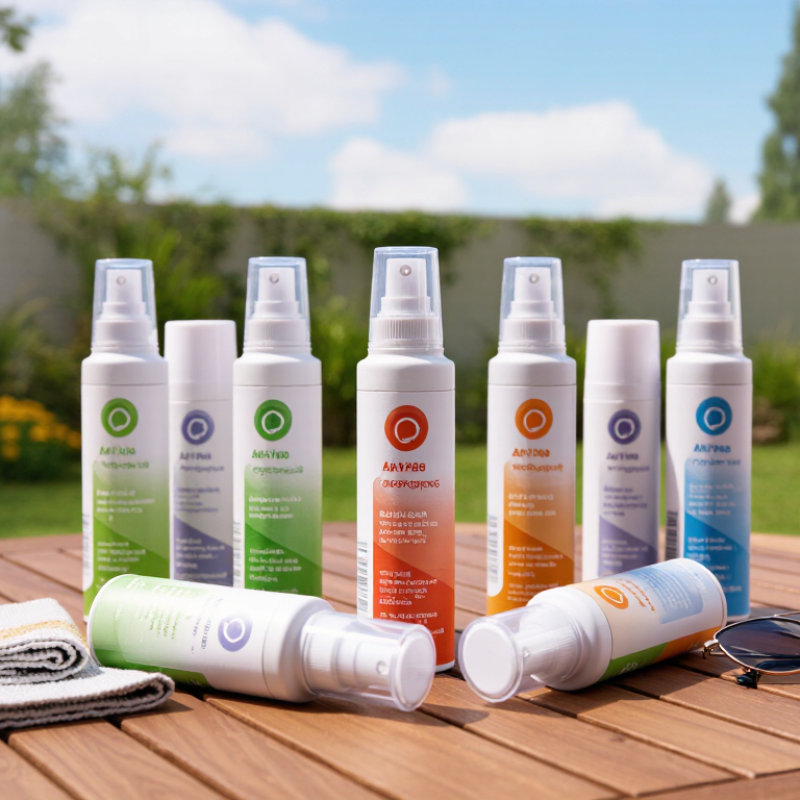
How Anti-Mosquito Sprays Work and What They Contain
Mosquito sprays work by making a person harder for mosquitoes to detect or land on. Mosquitoes follow cues such as carbon dioxide, body heat, and skin odors. Repellent ingredients interfere with some of these signals; they do not usually kill mosquitoes. That distinction matters.
Common active ingredients include DEET, picaridin, IR3535, and PMD, a component of oil of lemon eucalyptus. Their formulas and protection times differ. The percentage of an ingredient can affect how long protection lasts, but a higher concentration does not automatically mean a better choice for every situation. Read the product label. Apply only to exposed skin or clothing as directed, and avoid eyes, mouth, cuts, and irritated skin. Sprays should not be inhaled.
Coverage matters, too. A missed patch near an ankle can still invite bites. Sweat, swimming, and time outdoors may reduce protection, so follow label directions for reapplication. Some sprays are designed for skin, while others are intended for fabric; they are not interchangeable. Not magic. It is easy to assume a pleasant scent means a spray is mild or effective, but smell alone cannot tell you either. Check the active ingredient and directions instead.
Which Repellent Ingredients Offer the Best Protection in 2026
For 2026, the strongest practical choices remain DEET and picaridin. The CDC Yellow Book 2026 identifies 20–50% DEET and 20% picaridin as effective options for travelers. Higher concentration generally extends protection time; it does not mean every user needs the strongest formula. The US Environmental Protection Agency evaluates registered repellents for effectiveness, while protection varies with sweating, swimming, and mosquito activity. Check the product label for reapplication timing.
IR3535 and oil of lemon eucalyptus products containing PMD are also recognized options in CDC guidance. PMD can work well, but CDC advises against using it on children under three. At dusk near standing water, exposed ankles and wrists deserve attention; even a suitable repellent cannot cover clothing or every gap. Apply only as directed, and avoid eyes and mouth. No ingredient is perfect. I would not assume a spray lasts all evening just because its label sounds reassuring; heat and activity can shorten protection.
Sources: CDC Yellow Book 2026 and US EPA guidance on insect repellents.
How to Compare Spray Effectiveness, Coverage, and Wear Time
To compare mosquito sprays, look beyond the largest number on the label. Check which active ingredient and concentration the product uses, and whether its directions cover the mosquitoes and conditions you expect. A higher concentration may extend protection time, but it does not automatically mean stronger bite prevention. Read the stated wear time closely. Claims can vary with formulation, heat, sweat, and how evenly the spray is applied. Small print matters.
Coverage matters just as much. Apply a light, even layer to exposed skin, following the label; a missed ankle or strip of wrist can leave an easy opening. Avoid spraying near the eyes or breathing in the mist, and wash treated skin when protection is no longer needed. Reapply only as directed, especially after heavy sweating or swimming. A long wear-time claim is not a promise in every setting. That’s easy to forget. I’d compare sprays under similar conditions, such as an evening walk in warm weather, rather than relying on one number. Even then, personal results can differ.
What Is the Best Anti-Mosquito Spray for 2026?
Compare approximate protection time for common active ingredients at the stated concentrations. Longer wear time can mean fewer reapplications, but it does not guarantee better protection in every situation.
How to read this chart: These are approximate maximum wear-time examples for commonly sold concentrations, not a guarantee for every product. Actual duration depends on the product label, conditions, and activity. Apply evenly to exposed skin and follow label directions; coverage is about complete, correct application rather than a single comparable number. Check the label for the pests covered and reapplication instructions.
How to Apply and Store Mosquito Repellent Safely
What Is the Best Anti Mosquito Spray for 2026?
A dependable mosquito spray works best when it is applied exactly as its label directs. Check the instructions before opening the bottle; active ingredients and age guidance can differ. Apply only to exposed skin or clothing if the label permits, never beneath clothing. For your face, spray into your hands first, then spread a thin layer carefully. Keep it away from eyes, mouth, cuts, and irritated skin. Do not breathe in the mist. For children, an adult should apply the product and avoid the child’s hands. Small details matter. Apply sunscreen first, then repellent, unless the product label says otherwise. Reapply only at the listed intervals, not whenever the scent fades. It is easy to miss the backs of ankles or wrists, so check those areas before heading outdoors.
Store the spray in its original, tightly closed container, in a cool, dry place away from direct sun and heat. A shelf near a sunny window or a hot car can expose it to damaging temperatures. Keep it out of reach of children and pets, and away from food and flames. Do not pour leftover repellent into another bottle; that can invite spills or confusion. If the container leaks, smells unusual, or has passed its expiry date, follow the label’s disposal advice rather than guessing. After coming indoors, wash treated skin with soap and water when protection is no longer needed, and launder treated clothing before wearing it again. These small steps are easy to forget. I sometimes overlook them, especially after a long evening outside.
