
Demand for dependable hot-melt materials is growing across packaging, hygiene products, and assembly applications. Grand View Research valued the global hot-melt adhesives market at approximately USD 8.1 billion in 2023, with projected growth through 2030. This market-wide estimate provides useful context, but it does not measure APAO materials separately. That distinction matters. APAO, or amorphous polyalphaolefin, is selected for properties such as flexibility, adhesion, and performance across different temperatures. The right grade still depends on the application, equipment, and formulation.
This guide to 7 Best Apao Hot Melt Adhesive Raw Material Suppliers compares more than price and product claims. It considers grade consistency, technical documentation, sample availability, production capacity, and delivery support. Buyers should check each supplier’s technical data sheets and certificates of analysis, then test the material on their own line. A drum sample may behave differently under specific coating temperatures or substrate conditions. Small details matter. Market reports can show broad demand, but they cannot confirm a supplier’s current quality or service. Supplier information also changes, and regional availability can be uneven. The comparison is therefore a practical starting point, not a substitute for qualification testing. Some details remain uncertain until a real production trial.
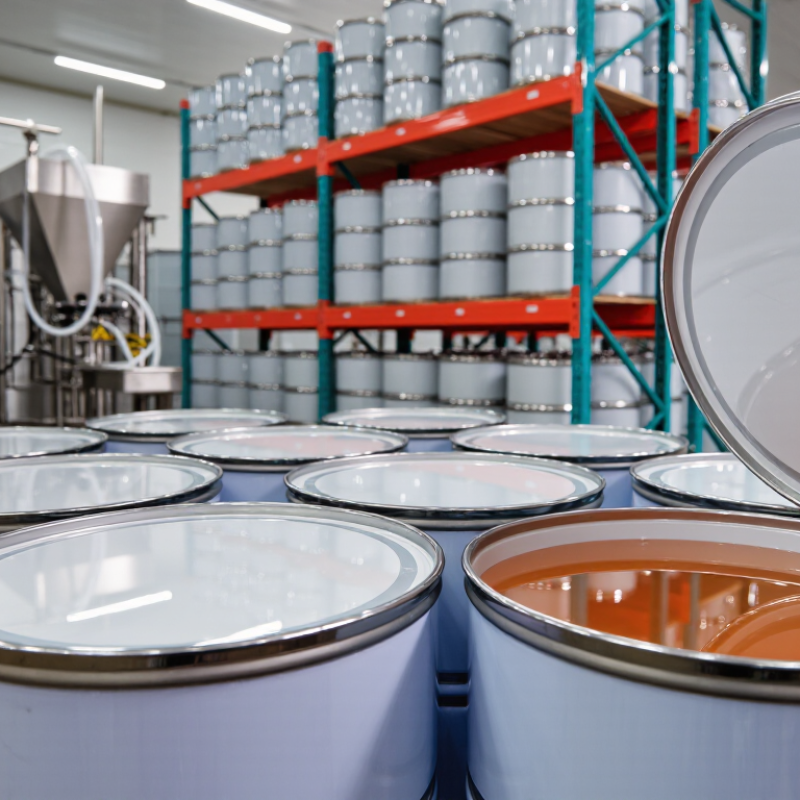
APAO, or amorphous polyalphaolefin, is a thermoplastic polymer used in many hot melt adhesives. It is heated until fluid, applied to a surface, then cools to form a bond. Unlike some sharply setting adhesives, APAO formulations can offer a longer open time, giving operators a little more room to position parts. That matters on a fast production line.
Common uses include carton sealing, bookbinding, woodworking, and some hygiene products. In a packaging plant, for example, a heated nozzle may lay a narrow bead along a carton flap before compression. APAO can also suit materials that need flexibility after bonding, though performance depends on the formulation and the surfaces involved. Dust, coatings, and low surface energy can weaken adhesion. A useful bond is not automatic.
Application temperature, viscosity, and open time vary by grade. Check the supplier’s technical data sheet, then test the adhesive on the actual substrate and equipment. Watch for stringing, poor wet-out, or bonds that peel after cooling. A small trial can reveal more than a neat specification sheet. I would not assume that one APAO grade fits every line; even a modest change in speed or ambient temperature can affect results.
APAO hot melt adhesives start with amorphous polyalphaolefin, the base polymer that forms the bond. It provides flexibility and helps the adhesive wet surfaces such as paper, film, or selected plastics. The grade matters: molecular weight and softening behavior affect viscosity, open time, and final strength. There is no universal recipe.
Tackifier resin is added to improve surface grip. It must be compatible with the APAO and the materials being bonded. Wax can lower viscosity and adjust setting speed, while antioxidants help limit degradation during heating. Small changes matter. Fillers are optional; mineral powders may reduce cost or alter stiffness, but too much can weaken adhesion or make application rough.
In practice, this is not always tidy: a resin may improve tack yet soften the bond. Formulators usually test ingredients in small batches, measuring melt viscosity, open time, set time, and adhesion after cooling. They should also check performance at the intended application temperature. Keep moisture and contamination out of the blend, and follow the raw-material supplier’s handling guidance. A clear record of each batch helps explain unexpected results.
Choosing an APAO hot melt adhesive raw material supplier starts with the application, not a sales brochure. Ask whether the grade suits your substrate, coating method, and operating temperature. Request a current technical data sheet and a certificate of analysis for the specific production lot. Check viscosity at a stated temperature, softening point, color, and odor. Compare test methods, too; values measured differently may not be directly comparable. Small details matter.
Reliable suppliers explain how they control batch consistency and communicate specification changes. Ask about sample quantities, lead times, packaging, storage conditions, and how complaints are investigated. Then run a controlled trial on your own equipment. Record melt behavior, open time, bond strength, and any stringing or discoloration. A sample that performs well once is not proof of dependable supply. Review several lots when possible, and keep results for comparison. A polished datasheet helps, but it cannot replace production testing. No supplier is perfect, and an unanswered technical question may reveal a gap worth discussing before purchase.
These seven supplier profiles represent common strengths in the APAO hot melt adhesive raw-material market, rather than a ranked endorsement. A broad-line polymer supplier may offer several APAO grades, making it useful for comparing softening points and viscosities. A packaging-focused supplier often understands fast-setting needs on carton lines. Ask for application data, not just a catalog. A hygiene-material specialist may help assess flexibility and bonding on nonwoven substrates. A regional distributor can offer smaller lots and quicker delivery, though its grade selection may be narrow. Details matter.
A technically focused supplier may provide formulation guidance and sample testing, but confirm that advice matches your equipment and substrates. A logistics-oriented supplier can support steady production with planned inventory and clear batch documentation. A value-focused supplier may quote attractive prices; check consistency across batches before committing. Small trials help. Compare technical data sheets, safety documents, minimum order quantities, and lead times. Request samples for your actual process, then record bond strength, open time, and nozzle behavior. Supplier claims can sound precise, yet shop-floor results sometimes disagree. That gap deserves attention.
Company names and brands are intentionally omitted. These are seven supplier profiles by material or supply-chain role, not rankings of specific companies. Product availability and specifications vary by supplier and grade.
| Supplier Profile | Typical Material Focus | Role in APAO Hot Melt Formulation | Common Forms | Key Buying Checks |
|---|---|---|---|---|
| 1. APAO Polymer Producer | Amorphous poly-alpha-olefin polymers, commonly based on propylene and other alpha-olefin monomers | Provides the base polymer that contributes flexibility, viscosity, cohesion, and adhesion characteristics. | Pellets, granules, or blocks, depending on grade and packaging | Confirm viscosity test conditions, softening behavior, color, recommended processing temperature, and compatibility with the intended tackifier and wax system. |
| 2. Polyolefin Materials Distributor | Polyolefin polymers and related hot-melt adhesive feedstocks from multiple producers | Offers sourcing options and logistical support for manufacturers buying polymer grades in commercial quantities. | Bagged solid material or bulk-packed material, subject to grade and distribution arrangements | Check whether the distributor can provide current technical data sheets, safety data sheets, lot traceability, storage guidance, and continuity-of-supply information. |
| 3. Hydrocarbon Tackifier Resin Supplier | Hydrocarbon tackifying resins, including aliphatic, aromatic, and modified resin families | Can increase tack and modify compatibility, open time, and adhesive viscosity. The effect depends on the resin chemistry and polymer blend. | Solid pellets, flakes, pastilles, or liquid grades | Review softening point, color, compatibility with the selected APAO grade, odor, and performance at the intended application temperature. |
| 4. Rosin and Rosin-Ester Supplier | Rosin-based tackifiers and rosin esters | Provides tackifier options that may be used to adjust adhesion and wetting in compatible adhesive formulations. | Solid flakes, pastilles, or pellets | Confirm acid value, softening point, color stability, aging behavior, and compatibility through formulation testing. |
| 5. Wax Supplier | Paraffin, microcrystalline, polyethylene, and Fischer–Tropsch waxes | Can modify melt viscosity, set behavior, hardness, and heat resistance. The selected wax affects the balance of these properties. | Pastilles, flakes, beads, or slabs | Compare melting range, viscosity, hardness, compatibility, and the impact on bond strength and application equipment. |
| 6. Antioxidant and Additive Supplier | Antioxidants and other stabilizing additives suitable for polymer processing | Helps limit thermal or oxidative degradation during processing and service when selected and dosed appropriately. | Powder, granules, pellets, or formulated additive blends | Check recommended dosage, regulatory status for the intended use, compatibility, handling requirements, and suitability for the processing conditions. |
| 7. Adhesive Raw-Material Compounder | Pre-blended or customized combinations of APAO polymers, tackifiers, waxes, and additives | Can simplify formulation and procurement by supplying a prepared blend or a material developed to meet defined application targets. | Pellets, granules, blocks, or other agreed bulk forms | Request a complete composition disclosure where available, specification limits, batch consistency data, processing guidance, and application-specific validation results. |
When comparing APAO hot melt adhesive raw material suppliers, ask for batch-specific certificates of analysis, not just a standard product sheet. Check viscosity at a stated temperature, softening point, color, and odor against your application needs. Request recent test results and compare several production lots. Small variations can change pumpability or bonding performance. A sample is useful, but a production-line trial is better.
Price is only one factor. MarketsandMarkets projected the global hot melt adhesives market to grow from USD 6.6 billion in 2022 to USD 7.8 billion by 2027, a 3.4% compound annual growth rate. That forecast is not a guarantee, but it points to ongoing demand. Compare landed cost per usable kilogram, including freight, packaging, minimum order quantities, and expected processing waste. A low quote can become expensive if material needs higher application temperatures.
Delivery records matter. Ask for typical lead times, on-time shipment data, and a clear plan for supply interruptions. Confirm how the supplier identifies lots and handles quality complaints. Grand View Research identified packaging as the largest end-use segment for hot melt adhesives in 2023, making reliable consistency especially relevant to packaging lines. One caveat: paperwork cannot replace a line trial. A tidy comparison spreadsheet can miss practical issues, such as slow melting during a cold start.
Suggested buyer-defined weighting for a 100-point supplier evaluation—not measured supplier or market data.
Prioritize product quality, then compare total pricing and delivery reliability. Assess quality using application-specific tests, request itemized quotations, and verify lead times against your order schedule. Adjust the weights to fit your requirements.
Copyright © 2025 · All Rights Reserved · Franchino Mold & Engineering