What Makes the Best Machine Safety Door for Your Needs?
Selecting the right Machine Safety Door is critical for industrial safety. Statistics from the National Safety Council indicate that over 4,500 workplace fatalities occur annually in the U.S., highlighting the importance of robust safety measures. Machine Safety Doors can prevent unauthorized access, but choosing the right one requires careful consideration.
Understanding the specific requirements of your facility is essential. Different industries face unique risks. For instance, manufacturing environments often demand doors that can withstand high impact. The right Machine Safety Door must not only comply with safety standards but also fit the operational flow of your space.
Additionally, recent reports show that improper door selection can lead to costly downtime. Inadequate safety measures can also expose companies to legal liabilities. These factors emphasize the need for a thoughtful approach. Evaluating your needs and potential risks can lead to significant improvements in workplace safety.
Understanding the Importance of Machine Safety Doors in Industrial Settings
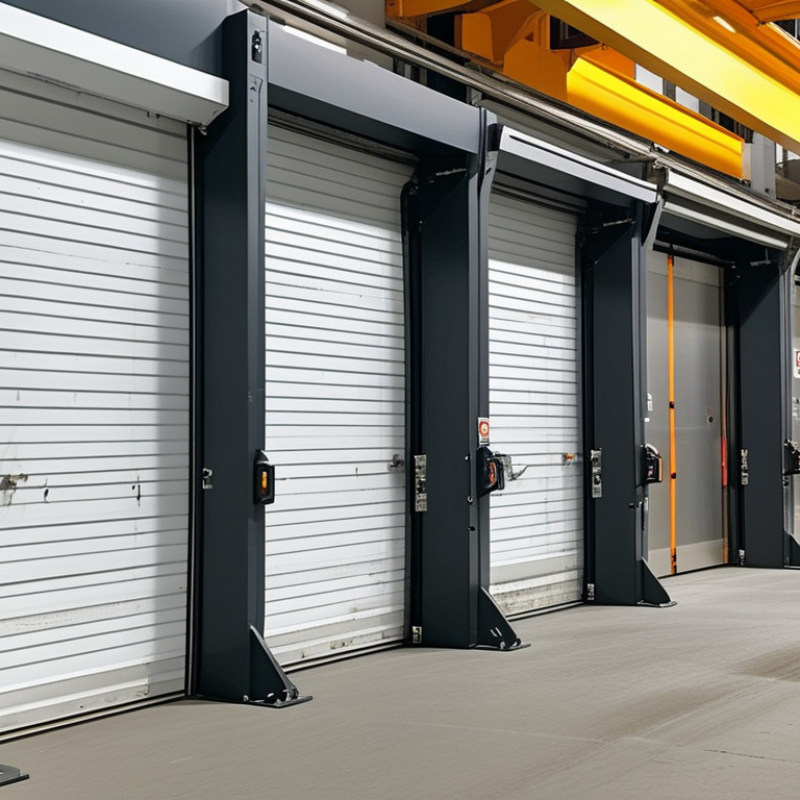
Machine safety doors play a crucial role in industrial settings. They serve as vital barriers that protect workers from hazardous areas. Properly designed safety doors minimize the risk of accidents and injuries. It’s essential to understand their importance in creating a secure work environment.
Consider the materials used for your machine safety door. Metal doors offer strength but can be heavy. Lightweight materials can be easier to operate but may lack durability. Evaluate the specific hazards present in your facility. This can guide the selection of door features like visibility, weight, and locking mechanisms.
Here are some tips: Look for doors that include emergency release features. This can be crucial in a crisis. Regular maintenance of safety doors is necessary to ensure they function correctly over time. A safety door that doesn’t operate as intended can defeat its purpose. Investing in quality doors now can save costs from future injuries or downtime.
Importance of Machine Safety Doors in Industrial Settings
This chart illustrates the importance of various factors in selecting the best machine safety door in industrial settings. Each factor is rated on a scale of 1 to 10, with 'Safety Standards' being the most critical aspect, followed closely by 'Durability'.
Key Features to Consider When Selecting a Machine Safety Door
When selecting a machine safety door, several key features are crucial to your decision. First, consider the material. Robust materials like steel or reinforced fiberglass offer durability. They withstand frequent use and harsh conditions. Evaluate the door's design for effective hazard protection. Features like interlock systems can prevent operation when the door is open. This adds an extra layer of safety.
Another important element is ease of use. A safety door should open and close smoothly. Complex mechanisms may lead to delays or improper usage. Look for user-friendly designs that enhance efficiency without sacrificing safety. Additionally, think about visibility. Transparent panels can help operators monitor the machine while ensuring their safety. This simple feature can reduce accidents significantly.
Don’t overlook the maintenance aspect. Some safety doors require regular upkeep to function properly. Consider your maintenance capability before making a choice. The best door for your needs balances safety features with practical usability. Every facility is unique. It may take time to determine the right fit, but thorough evaluation is vital.
Different Types of Machine Safety Doors and Their Applications
When selecting machine safety doors, it's crucial to understand the various types available and their specific applications. Safety doors come in several designs, including sliding, hinged, and foldable options. Sliding doors are often ideal for spaces with limited clearance. Hinged doors can offer better access and are suitable for larger machinery settings. Foldable doors provide flexibility, making them perfect for temporary setups.
Tips: Assess your workspace dimensions before deciding on a door type. Ensure that the selected door can function effectively without obstructing other operations.
Each type of safety door has its advantages and potential drawbacks. For instance, sliding doors may require more maintenance due to tracks collecting debris. Foldable doors could compromise safety if not regularly checked for wear. It’s important to consider how often the doors will be used and the environment they will be in.
Tips: Regular inspections can help identify wear early. Don't overlook the importance of maintenance.
In some cases, custom safety doors are an option. Customization allows for specific needs to be met. Ensure the doors meet safety standards. Yet, consider how a custom solution can affect lead times and costs. Analyze your budget and timelines before making decisions.
Evaluating Safety Standards and Compliance for Machine Safety Doors
When choosing a machine safety door, compliance with safety standards is essential. Various guidelines determine how safety doors should perform. These include specifications on materials, structural integrity, and emergency features. Understanding these standards can prevent costly accidents and injuries.
Tips: Always check for certification marks. They indicate that the door has undergone testing. Look for features like automatic locking mechanisms. They enhance safety during operation.
Selecting the right safety door means evaluating its compliance. However, not all doors meet the same standards. Some may fall short during unforeseen situations. For instance, a door that functions in regular conditions might fail under extreme stress. Hence, conducting regular assessments becomes vital.
Tips: Consider the door’s installation location. Different environments could require specific features. Regularly review the door’s performance. This practice ensures it operates effectively over time.
Maintenance and Inspection Practices for Optimal Machine Safety Door Performance
Regular maintenance and inspection of machine safety doors are crucial for ensuring their optimal performance. Over time, wear and tear can compromise safety features. Perform visual inspections monthly to check for any visible damage or misalignment. These simple checks can identify issues before they escalate into serious problems.
Tips: Always keep the area around the door clear. Debris can obstruct function and lead to accidents. Additionally, train staff to report any irregularities immediately. Quick reporting can mitigate risks.
Implement a thorough inspection schedule. Look for signs of rust, particularly on hinges and locks. Assess the door’s sealing capabilities to ensure no gaps exist that could lead to hazardous situations. Document all findings. Keeping a log will help in tracking the performance over time and provide insights for necessary improvements.
Tips: Consider involving a professional for annual assessments. Their expertise can reveal hidden issues that may not be apparent. Regular professional evaluations enhance reliability, helping you meet safety regulations effectively.
