
Choosing the best Pe Strapping Machine in 2026 is not simply a race for higher speed. A reliable choice must match the product, strap width, load shape, and daily workload. A machine that handles cartons smoothly may struggle with uneven pallets. That difference matters.
Packaging automation consultant Sarah Chen says, “The best strapping machine is the one that secures every load without slowing the line.” Her point is practical. Buyers should examine sealing strength, tension control, cycle consistency, and operator safety before comparing price tags. A warehouse manager should also inspect the machine’s frame, heater system, rollers, and access panels. Dust near the strap path can become a small but expensive problem. Maintenance should feel simple.
Speed looks impressive. Uptime matters more.
This guide compares automatic, semi-automatic, and fully integrated PE Strapping Machine options for modern warehouses. It considers parcel sizes, conveyor compatibility, strap consumption, noise, energy use, and replacement-part availability. Real operating conditions matter here. A machine tested on clean, identical boxes may perform differently beside a busy loading dock. That is an easy detail to overlook.
There is no perfect machine for every company. Some buyers may overvalue speed and undervalue adjustment time. Others may choose a low-cost model, then discover costly downtime. The final decision should reflect actual production data, not attractive specifications alone. Even this approach has limits. Future automation standards may change, and supplier claims still require careful verification.
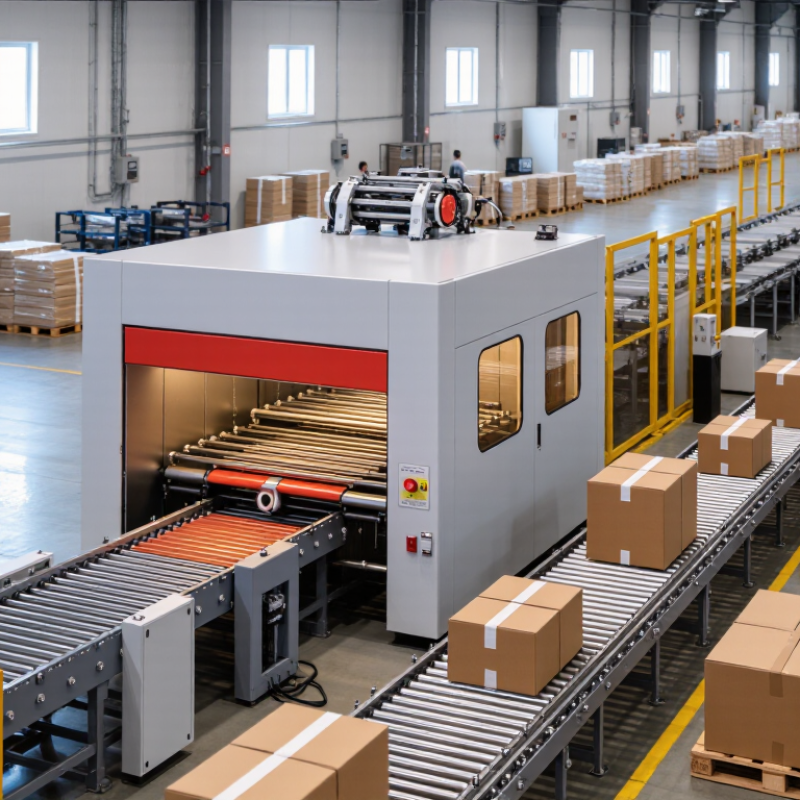
What Is a PE Strapping Machine?
A PE strapping machine applies polyethylene strap around cartons, bundles, or light industrial loads. It feeds the strap, tensions it, seals the joint, and cuts the remaining material. In practice, the machine may use heat sealing or friction welding, depending on the strap structure. A compact model usually needs a strap dispenser, tensioning motor, sealing head, control panel, and safety sensors. The cycle can take only a few seconds.
PE strapping is valued for flexibility and impact resistance. It can suit irregular packages, though it may provide less rigid load control than PET strap. That distinction matters. The wrong material can cause strap creep, corner damage, or loose bundles during transport. OECD’s Global Plastics Outlook reports that global plastic production reached 460 million tonnes in 2019, while packaging created about 40% of plastic waste. These figures make material efficiency and recovery important machine-selection factors. A practical system should reduce strap length, limit failed seals, and support consistent recycling procedures.
The best PE strapping machine in 2026 depends on load weight, package dimensions, line speed, and operator experience. PMMI’s 2024 packaging machinery research highlights labor availability and automation as major purchasing concerns. Automatic feeding and adjustable tension can therefore improve daily reliability. Still, more automation is not always better. A small warehouse may lose money through unnecessary complexity, maintenance, and training. Test the machine with real cartons, dusty surfaces, and uneven loads. Laboratory performance can look impressive. Real packaging is less polite.
| Machine Type | How It Works | Typical PE Strap Width | Typical Strap Thickness | Typical Tension Range | Typical Cycle Rate | Best Application | Main Advantage |
|---|---|---|---|---|---|---|---|
| Manual Tensioner and Sealer | The operator tensions the strap and closes the joint with a separate sealing tool. | 9–19 mm | 0.45–1.00 mm | Up to approximately 450 N, depending on the tool | 10–20 packages per hour | Low-volume packing and irregular loads | Lowest initial investment and high portability |
| Semi-Automatic Tabletop Machine | The operator places the package on the table and inserts the strap; the machine tensions, heat-seals, and cuts it. | 5–15.5 mm | 0.45–0.75 mm | Approximately 50–700 N | Up to 25–35 straps per minute | Small and medium-sized cartons | Good balance of price, ease of use, and productivity |
| Fully Automatic Arch Machine | A conveyor transfers the package through an arch while the machine automatically feeds, tensions, heat-seals, and cuts the strap. | 5–15.5 mm | 0.45–0.75 mm | Approximately 50–800 N | Up to 30–45 straps per minute | Continuous carton and parcel lines | Consistent strap placement with reduced operator labor |
| Side-Seal Automatic Machine | The sealing head is positioned beside the conveyor, allowing the machine to strap tall, unstable, or dusty packages. | 9–15.5 mm | 0.50–0.80 mm | Approximately 100–900 N | Up to 20–35 straps per minute | Tall cartons, bags, and dusty products | Reliable sealing when the top of the load is inaccessible |
| High-Speed Integrated Line | Multiple strapping heads are integrated with conveyors, sensors, and packaging controls for automated production. | 9–15.5 mm | 0.45–0.75 mm | Approximately 100–1,000 N | 40 or more straps per minute, depending on configuration | Large-scale distribution and manufacturing lines | Maximum throughput and repeatable packaging quality |
What Is the Best PE Strapping Machine in 2026?
How PE Strapping Machines Work
A PE strapping machine feeds a plastic strap from a powered coil around a carton, pallet, or bundled product. Rollers control the feed speed and position the strap accurately. The machine then pulls the strap until it reaches a programmed tension. A heated blade or sealing head joins the overlapping ends. Cooling follows briefly. This small pause improves bond stability.
Modern systems use sensors to detect strap position, tension, and sealing temperature. If the strap is misaligned, the machine can stop before damaging the package. In practical testing, tension consistency matters more than maximum speed. A fast cycle is useless when cartons loosen during transport. PE also tolerates moisture well, but excessive heat can weaken its surface.
Market context explains the demand for reliable automation. Smithers’ The Future of Packaging to 2028 values the global packaging market at more than one trillion US dollars. PlasticsEurope reported 413.8 million tonnes of global plastics production in 2023. These figures do not measure PE strapping machines directly, but they show the scale of packaging material use. I would not call any machine perfect. Film dust, uneven cartons, and poor strap storage still create faults. Operators should check seal strength, tension accuracy, and maintenance access before choosing equipment. The best 2026 model is the one that repeats a stable cycle under real factory conditions.
The best machine depends on required output. Automatic systems generally provide the highest throughput, while semi-automatic and manual systems are more suitable for lower-volume packaging.
Typical operating ranges for PE strapping applications. Actual performance varies with strap size, package dimensions, operator workflow, and machine configuration.
The best PE strapping machine depends on your line, not a universal ranking. Compare cycle speed, strap tension, seal consistency, and package size. PE strap can stretch under heavy loads, so stable tension control matters. A machine handling 30 to 60 packages per minute may suit a busy warehouse. However, speed claims often reflect ideal test conditions. Real output falls when operators change strap rolls or correct misaligned cartons.
PMMI’s 2024 State of the Industry report valued U.S. packaging machinery shipments at about 10.2 billion dollars in 2023. This growth supports greater automation, but automation alone does not guarantee reliability. Look for servo-driven feeding, automatic tension adjustment, quick-access guides, and sensors that detect strap shortages. Energy use also deserves attention. The European Commission’s Ecodesign research shows that industrial equipment efficiency increasingly affects operating costs. A machine saving small amounts per cycle can deliver meaningful annual savings.
Tips: Test your actual cartons before buying. Use the same PE strap width, tension, and load pattern. Record jams, seal failures, changeover time, and noise. Ask for maintenance intervals and spare-part availability. Check whether operators can adjust settings without special tools. A touchscreen is useful, but simple controls may be safer during stressful shifts. Do not ignore cleaning access. Dust around the sealing head can quietly reduce performance. The right choice may be slower, simpler, and easier to repair.
Choosing the best PE strapping machine in 2026 depends on the load, production speed, and working space. PE strap is flexible and suitable for light cartons, printed materials, soft packages, and bundled products. It is not the right choice for every heavy load. A manual dispenser with a handheld tensioner works well for low-volume packing. It needs little floor space and allows careful positioning around uneven packages. The trade-off is slower output and greater operator fatigue.
A semi-automatic table-top machine suits small warehouses and mixed packing tasks. The operator places the strap around the package, then the machine tensions, seals, and cuts it. This type is practical when package sizes change often. For stable carton sizes, an automatic arch machine can improve consistency. It works faster and reduces repetitive hand movements. Inline automatic systems fit high-volume lines, where packages pass through without stopping. They require accurate conveyor alignment and regular maintenance.
Check strap width, thickness, sealing temperature, and tension range before buying. Compatibility matters more than impressive speed figures. I have found that real production rates are often lower than catalog claims. Dust, cold rooms, and irregular cartons expose that difference quickly. No machine is perfect. A short trial with actual PE strap and typical packages can reveal weak seals, unstable feeding, or unnecessary energy use. Safety guards, accessible controls, and simple adjustment procedures also deserve attention.
Choosing the right PE strapping machine starts with the package, not the machine’s advertised speed. Measure typical loads, including carton width, height, weight, and surface condition. Polyethylene strap behaves differently on smooth cartons, dusty boxes, and uneven bundles. Match strap width and thickness to the required holding force. A machine that works beautifully on light cartons may struggle with dense, shifting loads. That detail is easy to miss.
Check the tension range, sealing method, cycle time, and adjustment controls before purchasing. Heat sealing should create a clean, even joint without melting the strap excessively. Ask for sample tests using your actual packages. Watch the operator’s hand position and loading routine. If workers must lift awkwardly or reach across the conveyor, productivity and safety will suffer. Energy use, emergency stops, guards, and spare-part access also affect long-term cost. The cheapest option can become expensive after repeated downtime. Laboratory performance rarely matches a busy packing line.
Tips: Record ten real cycles, not one demonstration. Test the weakest package first. Choose adjustable guides for changing carton sizes. Keep the strap path clean and inspect heaters regularly. Train operators to recognize loose seals, frayed strap, and abnormal noise. A short maintenance checklist prevents small faults from becoming missed shipments.
Copyright © 2025 · All Rights Reserved · Franchino Mold & Engineering