What Is the Best Wood Chipper to Buy in 2026?
Choosing the best Wood Chipper in 2026 starts with the work in your yard, not the biggest horsepower figure on a product page. The U.S. Environmental Protection Agency’s 2018 “Advancing Sustainable Materials Management” report estimated that Americans generated 35.4 million tons of yard trimmings. About 22.3 million tons were composted. Those figures show why chipping can be useful, but they do not tell you which machine fits your property.
Think about the branches you actually handle. A pile of dry twigs is very different from a fresh, forked limb that keeps twisting against the feed chute. Compare the manufacturer’s stated maximum branch diameter with your typical material, and check the machine’s weight, power source, discharge direction, and maintenance needs. A high capacity rating is not a promise of effortless feeding. Knots, wet leaves, and awkward branches can slow any chipper.
One point needs care: without a supplied source, I can’t verify a named wood-chipper expert’s quotation, so I won’t invent one. This guide instead weighs manufacturer specifications against practical buying questions, including storage, transport, and cleanup. The best choice may not be the most powerful. It should handle your regular workload safely and consistently, without turning every weekend into a repair session.
What a Wood Chipper Does and How It Processes Yard Debris
What Is the Best Wood Chipper to Buy in 2026?
What a Wood Chipper Does and How It Processes Yard Debris
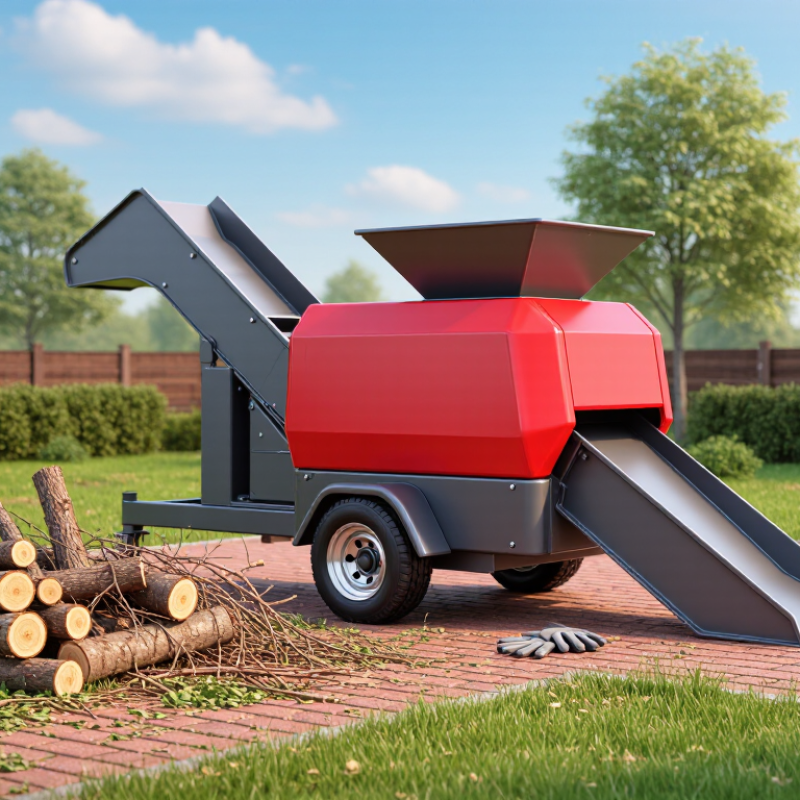
A wood chipper reduces branches into smaller pieces using sharp knives mounted on a rotating disc or drum. Feed a branch into the chute, and the cutting mechanism slices it into chips that exit through a discharge outlet. The best machine depends on the debris you actually have: branch thickness, wood condition, and how often you work. Horsepower alone tells only part of the story. Check the stated cutting capacity and whether the machine handles leafy material as well as limbs.
The U.S. Environmental Protection Agency’s Advancing Sustainable Materials Management report estimated that Americans generated 35.4 million tons of yard trimmings in 2018; about 22.3 million tons were composted. That scale helps explain why chipping matters: smaller, consistent pieces are easier to handle and can be used as mulch or compost feedstock when suitable. A chipper does not make every pile disappear. Wet leaves can mat, and fibrous vines may wrap around moving parts.
In practice, feed straight branches gradually, with the thicker end first, and avoid forcing material the machine resists. Keep hands clear of the chute. Let the blades do the work. I would not judge chip quality from a single dry branch; green, crooked wood behaves differently. A quieter electric unit may suit light pruning, while heavier cleanup can call for more capacity and careful attention to transport and maintenance. The right choice is the one that matches your debris, not an imagined perfect yard.
Which Wood Chipper Types Suit Different Jobs?
The right wood chipper depends on the material, work area, and how often you plan to use it. For light pruning and small branches, a compact electric chipper is usually easier to move and store. It suits a yard with nearby power and modest cleanup needs. Check its stated branch capacity; thick, crooked limbs can stall a small machine. Small jobs stay small.
For regular work on larger branches, a gasoline-powered chipper or chipper-shredder offers more mobility and capacity. A chipper-shredder can also reduce leaves and soft garden debris, though wet, tangled material may clog it. For farms or large properties with a compatible tractor, a PTO-driven model can process substantial volumes without a separate engine. It is less practical for occasional backyard use. Match the machine to the widest branches you actually handle, not an unusually large limb you might encounter once. Keep branches within the manufacturer’s limits, and use suitable eye and hearing protection. Check the manual. A practical detail is discharge direction: chips aimed at a path or garden bed create extra work. I would also consider storage and transport, even if those seem secondary when comparing cutting capacity. A powerful machine can still be the wrong fit.
How to Compare Power, Chipping Capacity, and Feed Design
What Is the Best Wood Chipper to Buy in 2026?
The best wood chipper depends on the material you actually process, not its biggest advertised number. Compare rated engine or motor power, maximum branch diameter, and feed-opening width. A wide opening helps with forked limbs, but it cannot compensate for weak cutting power. Also check whether capacity describes occasional branches or steady work. Those are different jobs.
Wood density changes the workload. The USDA Forest Products Laboratory’s Wood Handbook reports basic specific gravity of about 0.35 for eastern white pine and 0.56 for sugar maple. Denser hardwood can demand more torque, even at a similar branch diameter. Feed design matters too: self-feeding rollers can draw in straight limbs, while tangled brush may need more hand positioning. Check the throat shape, roller access, and clearing procedure. A tidy spec sheet can still mislead. I would treat maximum diameter as a limit, not a promise of fast, continuous chipping.
Tips: Compare machines using the same wood species and branch size. Watch the throat. If possible, test a forked limb and damp brush, not just clean, straight branches.
What Safety Features and Maintenance Does a Chipper Need?
What Is the Best Wood Chipper to Buy in 2026?
What Safety Features and Maintenance Does a Chipper Need?
A suitable wood chipper should have a clear emergency stop, secure feed controls, and guards that stay in place during operation. Check that the machine’s capacity matches the branches you actually handle; forcing oversized limbs into the feed opening can cause dangerous kickback. Wear eye and hearing protection, sturdy footwear, and close-fitting clothing. Keep children and bystanders well away. Small details matter. Read the specific manual, since controls and safe procedures vary between models.
Tips: Before each use, inspect guards, fasteners, and the feed area. Remove debris only after shutting down and disconnecting the power source. Never reach into the chute. Keep a push tool nearby if the manual recommends one, but do not use your hands to guide branches.
Routine care helps prevent breakdowns and unsafe operation. With the machine off and fully cooled, check blades for chips or looseness, and sharpen or replace them as directed. Clear packed material, inspect belts and hoses, and look for fuel or oil leaks on models with engines. Keep cutting parts clean and dry before storage. I have found that rushed cleanup is easy to regret; a few minutes of inspection can reveal a loose bolt or dull blade. Follow the manufacturer’s maintenance schedule, and ask a qualified technician when a repair is beyond your experience.
How to Choose the Best Wood Chipper for Your Needs in 2026
What Is the Best Wood Chipper to Buy in 2026?
Choosing a wood chipper starts with the material you actually handle. A small yard with thin twigs has different needs from a property with frequent storm cleanup. Check the maximum branch diameter in the manual, then leave some room below that limit. Wet, crooked branches can feed differently from dry, straight ones. It is easy to overestimate how much capacity you need; a larger machine may be heavier and harder to store. Consider how often you will use it, where it will sit, and whether a power cord or fuel supply suits your work area.
Tips: Measure your largest branches before shopping. Check the machine’s weight, feed opening, maintenance schedule, and recommended protective equipment. Make sure you have a clear, level area for operation.
Compare the collection method and the size of the finished chips, too. Chips meant for paths may not suit every garden bed. Read operating instructions carefully, and never push material into the feed opening by hand. Keep children and pets well away while the machine runs. If possible, inspect a chipper in person; noise, vibration, and awkward controls are difficult to judge from a product description. One detail buyers sometimes overlook is cleanup. Leaves and damp debris can build up around the feed area, so consider how easily the machine can be cleared and maintained.
