Why is Book Printing Inspection Essential for Quality Control?
In the world of publishing, maintaining quality is crucial. Book Printing Inspection stands as a cornerstone of this process. Each printed page represents countless hours of effort and creativity. Any flaw can undermine the author's vision. Therefore, a systematic inspection process ensures that every detail aligns with the original design.
The importance of book printing inspection is often underestimated. Misalignments, color discrepancies, and text errors can occur during production. These issues harm the credibility of the publisher. Moreover, they can disappoint readers and erode trust. A meticulous inspection process identifies these problems before the books reach the market.
Establishing a reliable inspection protocol is essential. Trained professionals should conduct regular checks throughout the printing process. This attention to detail adds to the overall value of the book. Yet, even with a robust inspection system, human error can creep in. Continuous reflection and improvement of inspection methods are vital for sustaining high-quality standards.
Importance of Quality Control in Book Printing
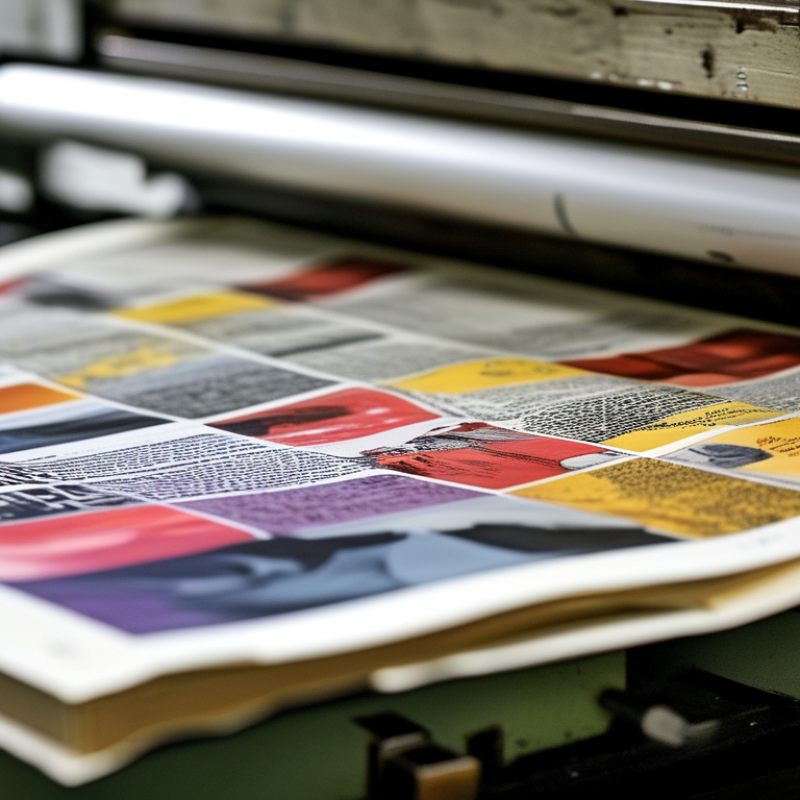
Quality control plays a critical role in book printing. It ensures that every single aspect meets high standards. From the clarity of the text to the vibrancy of colors, each detail reflects the quality of the work. Without proper inspection, errors can slip through. A poorly printed book may contain misaligned text or faded images. These flaws can significantly detract from the reader's experience.
Maintaining quality in book printing builds trust with the audience. Readers expect professionalism in their purchases. A book that looks good inside and out creates a positive impression. Conversely, a subpar product can lead to frustration. Professionals in book printing understand this. They know that attention to detail is crucial. This commitment to quality is what sets successful publications apart from the rest.
Moreover, it is essential to remember that quality control is an ongoing process. It requires continual assessment at every stage. This can sometimes reveal issues that were not initially apparent. A single oversight during printing can ripple through the entire production. Thus, dedication to quality control is vital for consistent results. It is not just about meeting basic standards but exceeding them to foster a loyal readership.
Overview of Book Printing Inspection Processes
Book printing inspection processes are crucial for ensuring quality. This process includes various stages, from pre-press checks to final product evaluations. Each step helps detect errors early, preventing costly mistakes later on. Print samples are compared with proofs. Color accuracy is assessed meticulously. Minor variations can significantly impact the reader's experience.
Trained professionals carry out these inspections. They examine binding, paper quality, and layout. A single flaw, such as misalignment, can compromise an entire batch. Many printing houses invest time in this inspection, yet some skip this vital step. The consequences can be severe, including dissatisfied customers and financial losses.
Additionally, technology plays a role in inspection. Automated systems flag potential issues, yet human oversight remains essential. Technology cannot replace the expertise of a trained eye. Errors can go unnoticed, leading to significant challenges. Balancing technology with hands-on inspections creates a reliable framework for quality control. Continuous evaluation and reflection on these processes are necessary for improvement.
Why is Book Printing Inspection Essential for Quality Control? - Overview of Book Printing Inspection Processes
| Inspection Process | Purpose | Key Metrics | Frequency |
| Pre-Press Inspection | Ensure artwork and layout accuracy | File resolution, color accuracy | Before printing |
| Print Quality Check | Monitor consistency in printing | Color density, registration accuracy | Daily during production |
| Binding Inspection | Check the quality of book assembly | Tightness of binding, page count | After binding process |
| Final Quality Control | Inspect the finished product | Overall appearance, damage checks | Before shipping |
Key Quality Metrics Monitored During Inspection
Book printing inspection is crucial for ensuring quality control. Several key quality metrics are monitored during this process to uphold the standards of the final product. Color consistency is vital. Every batch must match the approved color profiles. Variations can lead to dissatisfaction among readers. Binding integrity is another critical metric. Pages need to be securely bound to avoid any tearing or detachment. Low-quality binding can ruin a reading experience.
Tips: Regular calibration of printing equipment is essential. This practice helps maintain color accuracy over time. Inspect each printed page for alignment issues. Minor misalignments can lead to significant problems in large print runs.
Additionally, paper quality is a factor that cannot be overlooked. The choice of paper affects ink absorption and overall feel. Ensure the paper selected meets the desired specifications. Poor paper can reflect poorly on the brand. It might be tempting to cut costs, but the long-term impact can be detrimental. Quality should never be sacrificed.
Common Defects Detected in Book Printing
In the realm of book printing, quality control is paramount. A study by Smithers Pira highlighted that 36% of printing defects occur during the finishing stage. Common defects include misregistration, color inconsistencies, and poor binding quality. Misregistration can lead to images and text not aligning properly, resulting in a disjointed reading experience. Color inconsistencies, often caused by improper calibration, can change the publication's look and feel. Poor binding can result in pages falling out, rendering the book unusable.
Tips for monitoring these defects include regular pre-press checks and ongoing press inspections. Implementing a color management system will ensure consistency throughout the printing process. Engaging skilled personnel for regular quality checks can significantly reduce errors.
Another critical defect is ink issues, such as smudging or bleeding. These problems can arise from the choice of paper or ink density. It’s vital to test various combinations to find the best fit. The importance of thorough inspections cannot be overstated. Frequent audits can illuminate persistent issues, allowing for immediate corrective actions. Remember, overlooking a small defect may lead to significant costs down the line.
Impact of Inspections on Customer Satisfaction and Brand Reputation
Book printing inspection plays a crucial role in ensuring that every product meets quality standards. When a book arrives with printing errors, it can lead to significant disappointment for customers. This dissatisfaction can tarnish a brand's reputation. Ensuring consistency in quality builds trust with readers. Books are more than just words; they reflect a brand's commitment to excellence.
Tips for maintaining quality control during book printing include performing thorough inspections at each stage of production. Regular checks can catch issues before they escalate. Using technology to aid in inspections can also streamline the process. However, even with advanced tools, human oversight remains vital to detect subtle flaws. Balancing automation and manual inspection is key.
A brand's image often hinges on the details. Small mistakes can lead to big repercussions. A minor misalignment on the cover may seem insignificant, yet it can lead to customer complaints. A careful review process helps to create a polished final product. As brands strive for perfection, acknowledging imperfections in processes can foster continuous improvement.
