Brass Die Casting 10 Essential Tips for Global Buyers?
Brass Die Casting plays a vital role in manufacturing across various industries. According to a recent analysis by Market Research Future, the global die casting market is projected to reach USD 82.2 billion by 2025. This growth reflects the increasing demand for precision components made from non-ferrous metals like brass.
Buyers must navigate numerous factors when sourcing brass die casting products. Understanding the material properties is essential for ensuring durability and performance. Brass offers a high corrosion resistance and excellent machinability, making it a preferred choice for many applications. However, challenges exist. Variations in quality can arise between suppliers, impacting overall project outcomes.
Moreover, buyers need to be aware of production processes. A lack of transparency in manufacturing can lead to costly mistakes. Selecting trustworthy suppliers is crucial. Researching their certifications and track record can mitigate risks. The decisions made today can have long-lasting effects on supply chains. Therefore, approaching brass die casting with diligence and informed choices is essential for success.
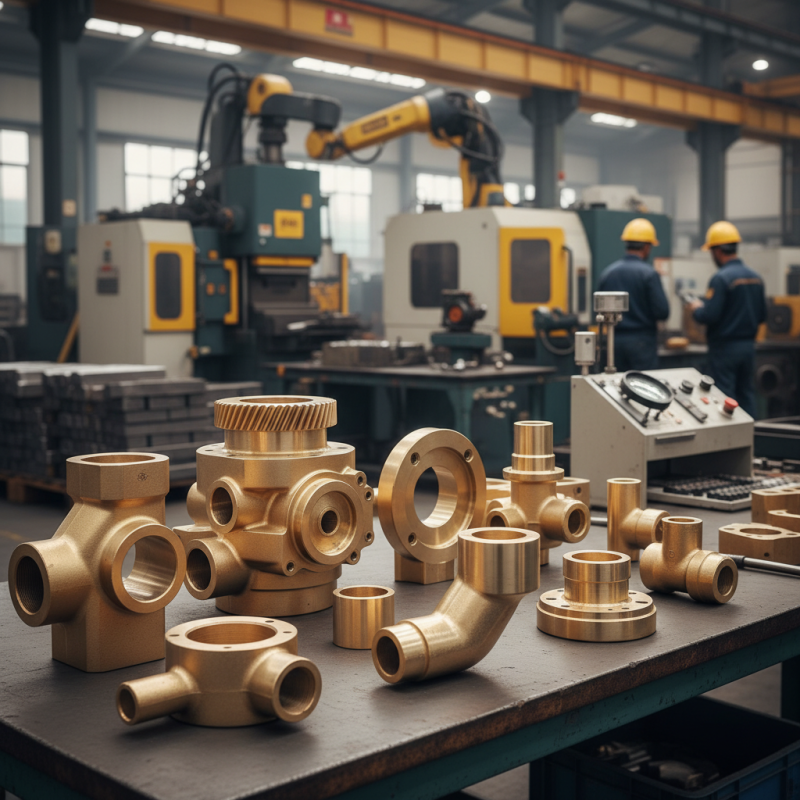
Understanding Brass Die Casting: A Comprehensive Overview
Brass die casting is a widely used manufacturing process. It involves pouring molten brass into molds. This ensures precision and quality in producing components. Key factors include temperature control and proper mold design. Both elements greatly affect the final product. This process is essential for creating parts across various industries.
Understanding brass die casting includes recognizing its benefits and limitations. This process allows for complex shapes and thinner wall sections. However, defects can arise, such as porosity or surface imperfections. Buyers need to be aware of such challenges. Selecting a reliable manufacturer is critical. Focus on their experience and past projects.
Attention must also be paid to environmental considerations. The melting of brass consumes energy. Recycling brass can mitigate waste. It's crucial to ensure that suppliers follow sustainability practices. Buyers should ask about their environmental policies. This can help in making more responsible choices while sourcing.
Key Factors to Consider When Sourcing Brass Die Castings
When sourcing brass die castings, several key factors come into play. Understanding the manufacturing process is crucial. Brass die casting involves creating precise shapes through molten metal poured into molds. This method offers excellent dimensional accuracy and surface finish. However, it’s vital to ensure that the foundry you choose has the right expertise in handling brass materials.
Quality control remains a high priority. Look for suppliers with robust testing protocols. Regular inspections can prevent defects. Request samples to evaluate the finish and dimensional tolerances before placing large orders. Communication is also essential. Be clear about your requirements, specifications, and deadlines. This can prevent misunderstandings that lead to costly errors. It’s worth noting that not all suppliers are equipped for all types of projects. You might need to reconsider first impressions and look deeper into their capabilities.
Another aspect to consider is sustainability. Environmentally friendly practices are becoming essential for manufacturers. Seek partners who use eco-friendly processes and materials. This not only benefits the planet but can enhance your brand’s reputation. Balancing cost with quality and sustainability requires careful assessment. Some suppliers might offer lower prices but at the expense of quality. Weigh all these factors before finalizing your decision.
Brass Die Casting 10 Essential Tips for Global Buyers
| Aspect | Description | Importance |
| Material Composition | Understanding the brass alloy used for the die castings, focusing on elements like zinc and lead content. | High |
| Supplier Experience | The supplier's history and experience in the brass die casting industry. | High |
| Production Capacity | The ability of the supplier to handle your order size and deadlines. | Medium |
| Quality Control | Standards and processes in place to ensure quality and compliance. | High |
| Cost Factors | Understanding all associated costs, including material, labor, and shipping. | High |
| Lead Times | How quickly the supplier can deliver your order after placement. | Medium |
| Customization Options | The ability to customize designs to meet specific requirements. | High |
| Geographical Location | Proximity of the supplier to your location which can affect shipping and lead times. | Medium |
| Technical Support | Availability of technical guidance during and after the production process. | Medium |
| Sustainability Practices | Environmental practices and the sustainability of the materials and processes used. | Medium |
Evaluating Quality Standards and Certifications in Brass Die Casting
When evaluating quality standards in brass die casting, buyers must prioritize certifications. Industry standards like ISO 9001 ensure consistency in manufacturing. This certification signals that a company maintains quality processes. According to the International Organization for Standardization, over 1.5 million organizations across 90 countries hold this certification. This demonstrates a commitment to quality management principles.
Furthermore, look into ASTM and SAE standards. These provide specifications for brass materials and casting processes. Compliance with ASTM B16 or SAE J463 is crucial. These standards help gauge product durability and machinability. The Global Die Casting Market Report noted that 70% of buyers prefer vendors who adhere to such specifications. Buyers should also consider the failure rates of products. Reports suggest that even minor deviations in quality can lead to significant cost overruns.
Yet, not all suppliers meet these standards uniformly. Some may have certifications but lack practical implementation. Others might skip certain relevant tests. Analyzing a supplier’s quality management system is essential. Verify their test results and ask for sample products. This hands-on evaluation can uncover gaps between documented compliance and actual performance. Engaging with multiple suppliers may reveal disparities in quality assurance practices.
Building Strong Relationships with Brass Die Casting Suppliers
Building strong relationships with brass die casting suppliers is essential for success in the global market. Effective communication fosters trust and aligns expectations. According to a report by Global Industry Analysts, the brass die casting market is projected to reach $4.3 billion by 2026. This shows the growing demand for high-quality brass components, and solid partnerships are key to meeting that demand.
Understanding your supplier’s capabilities is crucial. Many buyers overlook the importance of assessing production capacity and technology. Regular site visits can uncover potential issues and enhance collaboration. In a 2022 survey by Manufacturing.net, 45% of companies reported that lack of transparency led to project delays. Buyers should prioritize openness in their partnerships to minimize friction and ensure timely deliveries.
Establishing clear goals is another important aspect. It is vital to communicate quality standards and delivery timelines. Misunderstandings can result in costly mistakes. Emphasizing flexibility can also help suppliers adapt to changing demands. Acknowledge that not every transaction will go smoothly. Reflection on past experiences can lead to stronger partnerships.
Cost Management Strategies for Global Brass Die Casting Purchases
Cost management is a vital aspect of global brass die casting procurement. Buyers must understand their budget constraints and potential hidden costs. Materials, labor, and shipping all contribute to the final price. Engaging with multiple suppliers can reveal competitive pricing options. However, quality must never be sacrificed for savings.
It's essential to assess the cost-effectiveness of suppliers. Are they reliable? What are their production capabilities? A factory that promises low prices might cut corners. Consider additional expenses like customs duties and taxes. These can significantly impact your overall costs.
Effective communication with suppliers is critical. Clear specifications can reduce misunderstandings. Yet, not every interaction will go smoothly. Language barriers and cultural differences may lead to confusion. It’s best to establish regular check-ins during production. This ensures that any issues are addressed promptly. Remember, managing costs is not just about saving money but also about maintaining product quality and supplier relationships.
Brass Die Casting Cost Management Strategies
