How to Choose the Best AC Water Pump for Your Needs?
Choosing the right Ac Water Pump can be a daunting task. With numerous options available, it's essential to understand your specific needs. John Smith, a seasoned expert in HVAC systems, once said, “Selecting the right AC water pump is crucial for efficiency and performance.”
When considering an AC water pump, think about your system's requirements and specifications. Size matters; an oversized pump can lead to inefficiencies. Conversely, a pump that is too small may not operate effectively. Evaluate the flow rate and pressure compatibility of the pump with your air conditioning system.
Don't overlook the quality and brand reputation. Established brands often offer better reliability. Reviews and user feedback can provide insights into a pump's performance. However, keep in mind that not all reviews are reliable. It's essential to validate the sources of information before making a decision. By carefully assessing these factors, you can find an AC water pump that meets your needs and enhances your cooling system's efficiency.
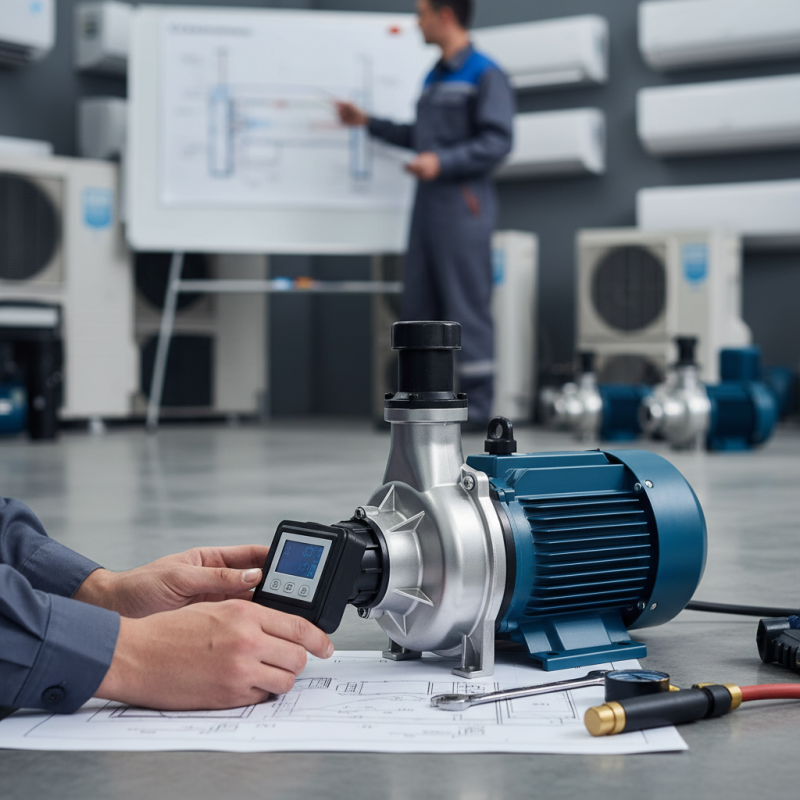
Understanding the Function of AC Water Pumps in Cooling Systems
AC water pumps play a crucial role in cooling systems. They help move condensate from the air conditioner to ensure proper drainage. By doing this, they prevent water buildup, which could lead to mold growth and damage. Understanding their function can guide you in selecting the right pump.
When choosing an AC water pump, consider the flow rate and head height. A pump that cannot handle the water volume efficiently may lead to frequent clogs. Look for pumps that match your AC unit's specifications. This ensures optimal performance without overworking the system.
Tips: Regular maintenance can enhance pump longevity. Clean the filter to avoid blockages. Pay attention to any unusual noises. These may indicate potential issues that need addressing. When in doubt, consult a professional to avoid costly mistakes.
Identifying the Key Factors for Selecting an AC Water Pump
When selecting an AC water pump, it’s crucial to consider several key factors. Start by assessing the pump’s capacity. A higher capacity isn’t always better; it should match your air conditioning unit's drainage needs. Too powerful a pump can lead to excessive energy use and noisy operation.
Another essential aspect is the pump's design. Some models are submersible, while others are inline. Submersible pumps are quieter and more efficient in specific setups. Inline pumps are easier to maintain but may generate more noise. Make sure to review your installation space before making a choice.
Durability also plays a significant role. Look for materials that resist corrosion and can handle varying temperatures. A reliable warranty can indicate quality. Many users overlook maintenance requirements. Pumps with complex designs may complicate repairs and replacements. Reflect on your long-term needs and consider how often you are willing to perform upkeep.
How to Choose the Best AC Water Pump for Your Needs?
| Feature | Description | Importance |
| Flow Rate | Amount of water the pump can move in a given time, typically measured in gallons per hour (GPH). | High |
| Head Height | The maximum vertical distance the pump can raise water. | Medium |
| Power Consumption | Amount of electricity the pump uses, typically measured in watts. | High |
| Noise Level | Sound produced by the pump during operation, usually measured in decibels (dB). | Medium |
| Durability | Material and build quality affecting the lifespan of the pump. | High |
| Warranty | Period during which the manufacturer offers to repair or replace the pump. | Medium |
Comparing Different Types of AC Water Pumps for Your Needs
When selecting an AC water pump, understanding the different types available is crucial. The most common categories are condensate pumps, submersible pumps, and inline pumps. According to a recent industry report, condensate pumps account for nearly 45% of the market. They efficiently manage wastewater from air conditioning systems, making them a popular choice.
Submersible pumps, on the other hand, are designed for deeper applications. They are submerged in water and are known for their durability. Research indicates that submersible pumps have a longer lifespan compared to other types, often exceeding ten years with proper maintenance. If your installation requires a pump that can handle higher pressure, an inline pump may be ideal. These pumps facilitate water movement in a direct line, enhancing efficiency.
Tips: Consider the pump's capacity. A pump that is too small won’t manage the water effectively. Look for pumps with at least a 1/2 HP rating for residential use. Also, think about noise levels; quieter pumps can improve your living environment.
Evaluate your specific needs when choosing a pump. Factor in the system’s dimensions and water output requirements. Gathering this information can help prevent costly mistakes in the long run. Always consult with a professional to guide your decision.
Evaluating the Performance and Efficiency Ratings of AC Water Pumps
When choosing an AC water pump, performance and efficiency ratings are crucial. Look for metrics like flow rate, head height, and power consumption. A higher flow rate means the pump can move more water quickly. However, this should not come at the expense of energy efficiency. Consider pumps that offer a good balance.
Efficiency ratings often reflect the energy usage of a pump. A pump that uses less power for the same output is preferable. Sometimes, high-performance pumps can lead to high energy bills. Be cautious about these potential costs. Compare different models based on their specifications rather than just their price.
Reading user reviews can provide insights into real-world performance. Some pumps may have high ratings but fail in practice. Look for specific feedback about reliability and durability. Take note of any recurring issues mentioned in reviews. These reflections can guide you toward a pump that meets your needs effectively. Make informed choices by weighing all these factors carefully.
Maintenance Tips for Ensuring Longevity of Your AC Water Pump
Regular maintenance is vital for the longevity of your AC water pump. Start by checking the condensation drain line frequently. Clear any blockages to prevent backflow, which can cause water damage. Inspect the pump's float switch to ensure it functions correctly. A malfunctioning float can lead to overflow and potential flooding.
Cleaning the pump itself is crucial too. Accumulated dirt and debris can hinder its performance. Use a mild detergent to clean the exterior and interior components. This not only boosts efficiency but also extends its lifespan. Replace any worn or damaged parts promptly. Neglecting repairs can lead to costly replacements down the line.
Monitor the overall performance of your AC system. Unusual noises or irregular cycling might indicate an issue with the pump. Keeping an eye on these signals can help you catch problems early. If you notice persistent issues, it may be time to consult a professional. Regular inspections will save you from larger headaches later on.
