How to Choose the Best Mobile Pump Truck for Your Needs?
Choosing the right Mobile pump truck is crucial for various industries. According to industry reports, the global mobile pump truck market is projected to reach $2 billion by 2027. This growth reflects their increasing importance in construction, mining, and environmental services. These trucks enhance efficiency in fluid transfer, yet selecting the best model can be challenging.
Different tasks require different features. For example, a construction site may need high-pressure capabilities, while a waste management company might prioritize filtration systems. Performance specifications vary significantly among models. Understanding your unique needs is imperative for making an informed choice. Moreover, the right truck can optimize productivity and reduce operational costs.
Some users find it difficult to balance price and functionality. Cheaper models may lack durability. In contrast, high-end options might offer features that are unnecessary for specific jobs. Evaluating the balance between cost and utility is essential. Engaging with industry experts or reading reviews can provide valuable insights. Ultimately, careful consideration leads to a more effective and reliable mobile pump truck.
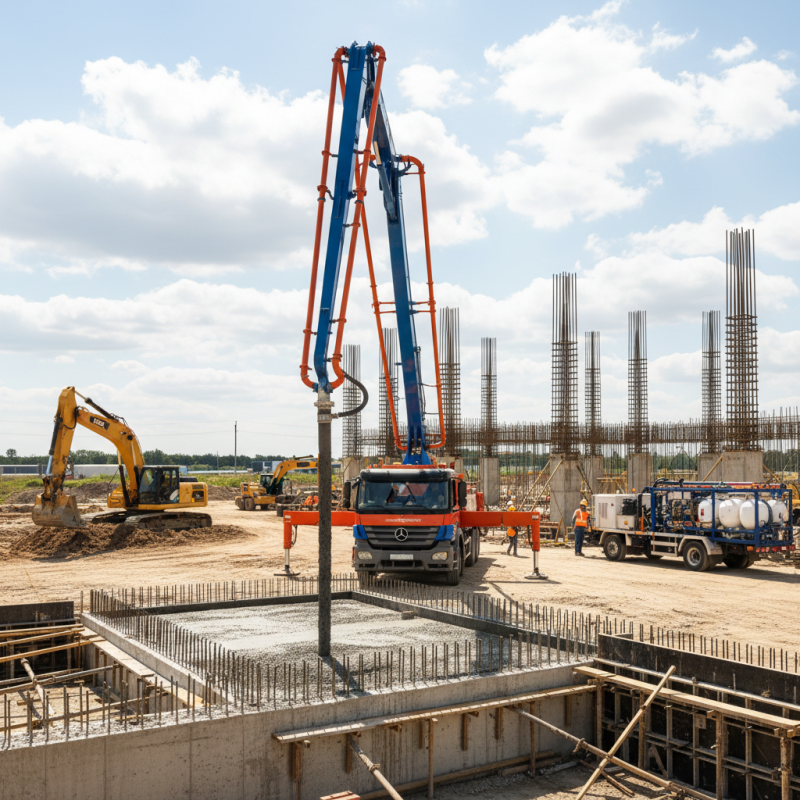
Understanding Mobile Pump Truck Applications and Their Importance
Mobile pump trucks play a crucial role in various industries, from construction to waste management. Their versatility enables them to handle different fluids efficiently. According to the American Concrete Pumping Association, over 90% of construction sites utilize mobile pump trucks for their projects. This highlights the demand for reliable pumping solutions.
When selecting a mobile pump truck, consider its application. For example, in construction, these trucks transport concrete over short distances. In contrast, in the oil and gas industry, they are vital for fluid transfer in drilling operations. Each application requires specific features. Companies need to understand their unique requirements before making a choice.
Despite their importance, many users overlook maintenance. A report by the Equipment Leasing and Finance Association indicates that nearly 30% of mobile pump trucks experience downtime due to inadequate maintenance. This can lead to project delays and increased costs. Companies must prioritize regular inspections and servicing to avoid such issues. Understanding the significance of these trucks empowers businesses to enhance efficiency and reduce operational risks.
Key Specifications to Consider When Selecting a Mobile Pump Truck
Choosing the right mobile pump truck is crucial for any operation. Understanding key specifications can greatly impact your efficiency and effectiveness. The pump capacity is one of the first aspects to evaluate. You should consider the flow rate, which indicates how much fluid the pump can handle per minute. A higher flow rate generally means faster project completion.
Another important factor is the vehicle's weight and size. A mobile pump truck that is too heavy may struggle with maneuverability. Conversely, a small truck might not handle larger jobs well. Look for a balance that fits your job requirements. Additionally, verify the operational range. Ensure the pump can reach all necessary locations, especially in complex sites.
Fuel efficiency also plays a role in your decision. An efficient truck can save on operating costs over time. Always think about maintenance requirements as well. Some trucks may demand more regular servicing, impacting your budget. Choose a model that fits your maintenance capabilities. Remember, a little reflection on these features can lead to better long-term choices.
Comparison of Key Specifications for Mobile Pump Trucks
Evaluating Pump Efficiency: Flow Rate and Pressure Metrics
When selecting a mobile pump truck, evaluating pump efficiency is crucial. Two key metrics to consider are the flow rate and pressure. The flow rate indicates how much fluid the pump can move in a given time. A higher flow rate can improve productivity at construction sites, especially during drainage or dewatering tasks. Industry reports suggest that flow rates can significantly influence operational costs per project. Understanding the necessary flow rate for your specific application can lead to better decision-making.
Pressure metrics are equally important. They define the pump's ability to overcome resistance in the system. If the required pressure exceeds the pump's capabilities, it may lead to inefficiencies. Research shows that pumps with insufficient pressure can result in increased energy consumption and decreased overall effectiveness. It's essential to match the pump's pressure rating with the demands of your system to avoid these pitfalls.
Operators often overlook these factors, leading to costly mistakes. Testing and comparing different systems can provide insights into the effectiveness of various mobile pump trucks. Various reports indicate that many contractors regret not fully analyzing these metrics before purchasing. Choosing the right mobile pump truck requires a thorough understanding of flow and pressure, ensuring optimal performance in every application.
How to Choose the Best Mobile Pump Truck for Your Needs? - Evaluating Pump Efficiency: Flow Rate and Pressure Metrics
| Pump Model | Flow Rate (GPM) | Max Pressure (PSI) | Power Source | Weight (lbs) |
| Model A | 50 | 200 | Diesel | 1200 |
| Model B | 75 | 250 | Electric | 1000 |
| Model C | 100 | 300 | Gasoline | 1500 |
| Model D | 60 | 220 | Hybrid | 1100 |
Assessing Mobility Features: Wheel Types and Maneuverability
When selecting a mobile pump truck, mobility features are crucial. One key aspect is the type of wheels. Different wheel designs offer varying levels of traction and maneuverability. For uneven terrain, larger, robust wheels are often more effective. They help the truck navigate obstacles with ease. Smaller wheels can be quicker on smooth surfaces but may struggle in rugged environments.
Maneuverability is another vital factor. Consider the turning radius of the pump truck. A smaller turning radius allows operators to work in tight spaces. This is important for urban jobs or locations with restricted access. Additionally, hydraulic steering can enhance control, enabling smooth navigation around corners.
Reflect on the weight distribution of the pump truck as well. A well-balanced truck prevents tipping. This feature is essential for safety, particularly when carrying heavy loads. Always test the truck's maneuverability before committing. Each job site is unique, and what works well in one scenario may fall short in another. Evaluate your needs carefully to make the best choice.
Cost-Effectiveness: Budgeting for Purchase and Maintenance of Pump Trucks
When considering the cost-effectiveness of a mobile pump truck, budget plays a vital role. Initial costs include the purchase price, which can vary significantly based on features and capabilities. Maintenance expenses should be factored in, too. Regular maintenance is necessary to ensure optimal performance and can prevent costly repairs.
Investing in a pump truck means balancing price with functionality. Look for trucks with a good reputation for durability. They may initially cost more but can save money in the long run. Also, evaluate the costs of parts and repairs. Some models may have higher repair expenses due to scarce parts.
Tips: Always ask for maintenance records before purchasing a used truck. Identify if it requires a lot of service. Understand the total cost of ownership—not only the purchase price but also fuel expenses and insurance. A low purchase price may mask high operational costs, which is crucial to consider in your budgeting.
