Why Choose Lifepo4 Battery for Your Power Needs?
In recent years, the demand for efficient energy storage has surged. This trend has brought the Lifepo4 Battery into the spotlight. According to a report by Research and Markets, the Lifepo4 Battery market is expected to grow substantially by 2025, driven by its impressive safety features and longevity. Industry expert Dr. Ellen Wang, a leading voice in battery technology, states, "The Lifepo4 Battery is a game-changer in energy solutions due to its stability and high performance."
Lifepo4 Batteries provide numerous advantages over traditional lead-acid batteries. They offer longer life cycles and greater depth of discharge. Additionally, they operate at a lower temperature, reducing risks of overheating. These features make them highly reliable for various applications, from electric vehicles to renewable energy storage. However, the initial investment can be relatively high compared to other battery types. This cost may deter some potential users, even though long-term benefits often outweigh these concerns.
Industry data indicates a shift toward renewable energy sources, which will increase the need for efficient storage solutions. Adopting Lifepo4 Batteries can play a vital role in this transition. However, businesses and consumers must weigh both the initial costs and long-term savings carefully. This reflection is essential for making informed decisions about energy solutions.
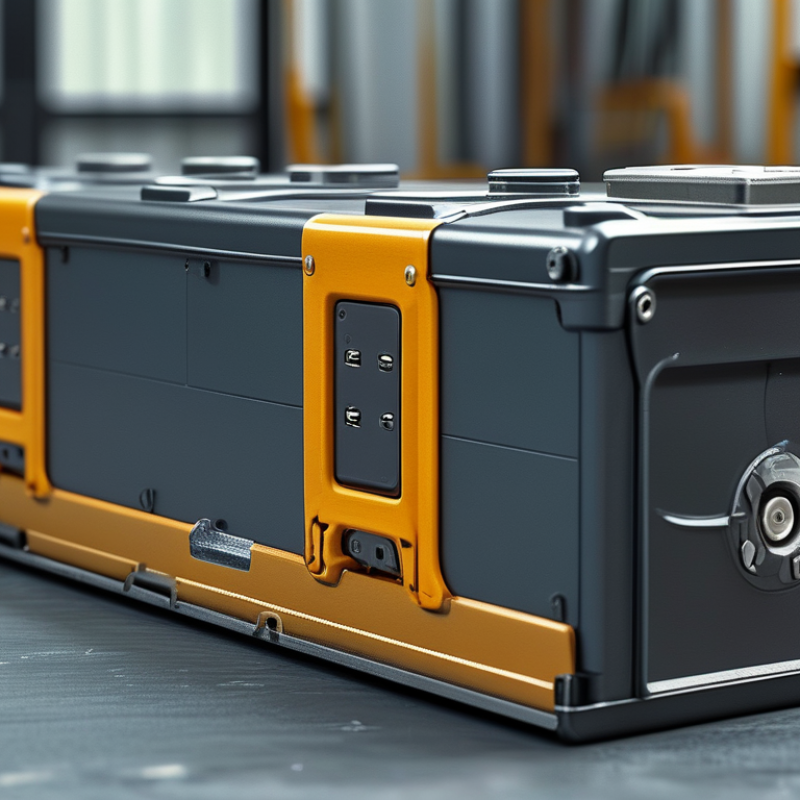
Advantages of LiFePO4 Batteries Over Traditional Lead-Acid Batteries
LiFePO4 batteries have gained popularity for various power needs. They offer significant advantages over traditional lead-acid batteries. One key benefit is their longer lifespan. While lead-acid batteries last about 3-5 years, LiFePO4 batteries can last up to 10 years or more. This longevity reduces the frequency of replacements.
Another advantage is safety. LiFePO4 batteries are more stable. They have a lower risk of thermal runaway, making them less prone to catching fire. This feature provides peace of mind. The energy density is also higher, allowing for more stored energy in a smaller size. This is beneficial in applications where space is limited.
Tip: When considering a battery solution, think about your specific energy needs. Choose the right size to utilize the full potential of LiFePO4.
LiFePO4 batteries can be slightly more expensive upfront. However, their durability and efficiency often offset this cost over time. Maintenance is also simpler. Understanding your power requirements can prevent undersized battery choices.
Tip: Always check compatibility with your existing systems. Proper integration is crucial for optimal performance.
Energy Density Comparisons: LiFePO4 vs. Lithium-ion Technologies
When comparing the energy density of LiFePO4 and traditional lithium-ion batteries, a clear distinction emerges. LiFePO4 batteries generally have lower energy density, typically around 90-160 Wh/kg. This means they store less energy per unit weight compared to lithium-ion batteries, which can exceed 250 Wh/kg. This factor makes LiFePO4 batteries less advantageous for applications where weight is paramount, such as in smartphones or electric vehicles.
Despite this, LiFePO4 batteries excel in safety and lifespan. They have a more stable chemical structure, leading to a lower risk of thermal runaway. This stability enhances reliability, particularly in demanding applications like solar energy systems. A significant advantage is their ability to withstand numerous charge cycles, often exceeding 2000 cycles, compared to around 500 for lithium-ion batteries. This longevity suggests lower replacements over time, which can benefit users in the long term.
While energy density plays a crucial role, it's not the only factor to consider. The cost of replacing lithium-ion batteries more frequently might offset their initial energy advantage. Additionally, some applications, like stationary storage, may not prioritize weight but rather safety and longevity—areas where LiFePO4 shines. Balancing these factors reveals the importance of assessing specific power needs before choosing a battery type.
Energy Density Comparison: LiFePO4 vs. Lithium-ion Technologies
This chart compares the energy density of LiFePO4 batteries with traditional lithium-ion batteries, showcasing their advantages in energy storage and longevity.
Safety and Stability: Why LiFePO4 Batteries Minimize Risks
LiFePO4 batteries have gained recognition for their exceptional safety and stability. Unlike other lithium-ion batteries, they use lithium iron phosphate as the cathode material. This choice significantly reduces the risk of thermal runaway, a common issue in less stable batteries. A study by the Journal of Power Sources reveals that LiFePO4 batteries can withstand temperatures up to 350°C without decomposing. This characteristic ensures safer operation, especially in high-demand applications.
Additionally, the chemical structure of LiFePO4 makes these batteries less prone to oxidation. Research indicates that they maintain 80% of their initial capacity after 2,000 cycles, outperforming many alternatives. Their long life span translates to reduced waste and lower replacement costs. However, it's essential to consider that while these batteries excel in safety, they do have lower energy density compared to some lithium-ion counterparts. Users may need larger batteries for the same energy output.
Overall, the choice of LiFePO4 batteries reflects a commitment to safety in power needs. While the technology is impressive, users should understand the trade-offs in energy capacity. This balanced view encourages informed decisions when selecting battery technologies.
Environmental Impact and Recycling: The Sustainability of LiFePO4
Lithium Iron Phosphate (LiFePO4) batteries represent a significant advancement in sustainable energy. Their environmental impact is notably lower than traditional lead-acid batteries. According to a 2021 report by the International Energy Agency (IEA), LiFePO4 batteries offer a 30% reduction in carbon emissions during production. This reduction is crucial in combating climate change, making them an environmentally friendly option.
Recycling LiFePO4 batteries is simpler than many alternatives. The U.S. Department of Energy estimates that over 95% of the materials can be reclaimed. This includes valuable elements like lithium, iron, and phosphorus. This high recyclability not only reduces waste but also alleviates the demand for raw materials. However, the recycling infrastructure is still developing, leading to some inefficiencies in collection and processing.
LiFePO4 batteries also present challenges in lifecycle management. Their longevity (up to 2000 cycles) is impressive, but awareness around disposal and recycling remains low. Many consumers still lack knowledge about safe disposal methods. Continuous education is key for improving the sustainability picture. Overall, while LiFePO4 batteries are a more sustainable choice, the full potential hinges on advancing recycling technologies and improving consumer awareness.
Cost-Efficiency Analysis: Long-term Savings with LiFePO4 Batteries
LiFePO4 batteries offer a compelling choice for energy storage and power needs due to their cost-efficiency. A report by BloombergNEF indicates that battery costs have plummeted by 89% since 2010. While initial investments may seem high, the long-term savings are significant. These batteries last longer than traditional options, with lifespans exceeding 2,000 cycles. This translates to owning a battery for nearly a decade with minimal degradation.
Moreover, LiFePO4 batteries maintain their performance under various conditions. Their thermal stability enhances safety and reliability, which often reduces maintenance costs. According to a study by the National Renewable Energy Laboratory, replacing traditional lead-acid batteries with LiFePO4 can lead to savings of up to 50% in operational costs. However, some users note the upfront price point is a barrier.
When considering total cost of ownership, it's important to reflect on efficiency and durability. While LiFePO4 technology may require a higher initial investment, the longevity and reduced operational issues can overcome this gap. Users must weigh their immediate budget against future savings and reliability. The data clearly supports that LiFePO4 batteries offer valuable long-term financial benefits.
