How to Choose the Best Android Video Door Phone for Your Home?
Choosing the right Android Video Door Phone can significantly enhance your home's security. These devices allow you to see and communicate with visitors at your door from anywhere in your home. However, not all models are created equal. Some may lack important features or offer poor video quality.
When selecting the best Android Video Door Phone, consider the essential features. Look for high-resolution video, night vision, and two-way audio capabilities. Ensure it integrates well with your existing smart home devices. The installation process should also be straightforward, but some models can be complicated.
Read reviews and check ratings to gauge reliability. User feedback reveals the strengths and weaknesses of each product. This step is crucial. Avoid brands with frequent complaints or low customer satisfaction. Reflect on your needs and preferences, as they will guide your decision. Keep in mind that an investment in a quality Android Video Door Phone can lead to long-lasting peace of mind for you and your family.
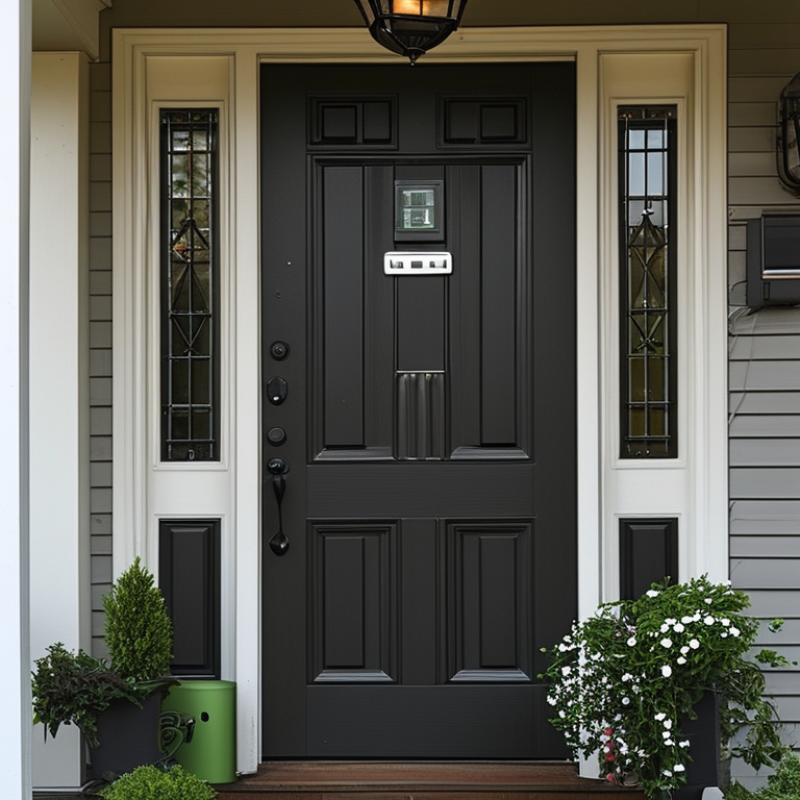
Understanding the Basic Features of Android Video Door Phones
Selecting the right Android video door phone for your home involves understanding several key features. The basic functionalities include video quality, communication options, and storage capabilities. A 2023 industry report indicates that 75% of consumers prioritize high-definition video quality. This clarity enhances security and allows homeowners to identify visitors easily. Crisp images are crucial for effective surveillance, particularly in low-light conditions.
Communication tools are equally important. Look for models that support two-way audio. This feature allows homeowners to converse with visitors without opening the door. More than 60% of users prefer systems that integrate seamlessly with their smartphones. Such connectivity offers convenience and peace of mind, ensuring you can monitor your front door from anywhere.
Storage options also play a significant role. Many video doorphones offer cloud storage or local SD card options. However, not all systems provide adequate security for stored footage. A study from security analytics showed that 30% of consumers experienced concerns over data breaches. This highlights a need for careful consideration when choosing a system. Finding a balance between cost and reliable security measures is essential. Always evaluate features critically to ensure they align with your specific needs.
Evaluating Video and Audio Quality for Clear Communication
When choosing an Android video door phone, the quality of video and audio is crucial for clear communication. Look for devices that provide at least HD video resolution. This ensures visibility, especially during nighttime or low-light conditions. A camera with a good field of view helps capture more of your entrance area, enhancing security.
Audio clarity is just as important. Two-way communication should be clear without echo or distortion. Devices with noise-canceling technology can minimize background sounds. Testing the audio quality before making a decision is wise. Does it transmit clearly across distances? Does it handle ambient noise well?
Not every device meets expectations. Some may have video lag or audio dropouts. Technology can be unpredictable. Research user reviews to understand real-world performance. Prioritize systems that consistently deliver reliable communication. Making an informed choice can enhance your home security.
Exploring Connectivity Options for Optimal Networking
When selecting an Android video door phone, connectivity options are crucial for seamless integration. A report by ABI Research suggests that more than 60% of smart home devices rely on stable Wi-Fi connections. Without this, features like live streaming and remote access may fail. An unreliable network can hinder your ability to monitor visitors effectively.
Consideration should be given to network bandwidth and the router's capabilities. The average household now has 10 to 20 connected devices. If your network cannot accommodate this, video door phones may experience lag or interruptions. The security of your Wi-Fi, implemented through strong encryption protocols, is equally critical. A recent study from the Ponemon Institute indicates that 70% of smart home users are unaware of their devices' cybersecurity vulnerabilities.
Not all homes have the same connectivity needs. Some may benefit from wired Ethernet connections for stability. Others might prioritize Wi-Fi extenders to ensure coverage in larger spaces. Each option presents unique pros and cons. Thus, evaluating your personal usage scenario is essential. Balancing convenience with security is vital for an optimal networking setup in your smart home.
Assessing User Interface and Ease of Use for Homeowners
When selecting an Android video door phone, user interface and ease of use play a crucial role. Homeowners today seek systems that are intuitive and responsive. According to a recent survey by the Consumer Technology Association, 72% of homeowners prioritize simplicity in technology interfaces. Complicated setups can frustrate users, leading to underutilization of features.
Touchscreen functionality is increasingly common. User interface design should support clear navigation and accessibility options. Research indicates that 45% of users prefer devices with customizable settings. This allows personalization to fit individual needs. However, not all systems achieve this balance. Some may offer too many options, leading to confusion instead of convenience.
Feedback mechanisms are essential for continuous improvement. Collecting user feedback can reveal areas for enhancement. A study from the User Experience Professionals Association found that regular updates based on user insights can improve satisfaction by 30%. However, this is often overlooked. User involvement in the evaluation process can make systems more effective, ensuring they meet the practical needs of everyday users.
Comparing Prices and Warranty Options for Value and Reliability
When choosing an Android video door phone, price and warranty options are crucial. According to industry reports, the average price range for reliable models is between $150 and $400. This wide price range reflects variations in features, image quality, and build. Consumers often overlook the fact that a lower price doesn't always guarantee quality. A comprehensive assessment of user reviews is necessary to identify durable products.
Warranties can be unreliable, often ranging from one to three years. A study highlighted that devices with a longer warranty generally have lower failure rates. Around 85% of customers prefer products with a minimum two-year warranty. It’s worth considering that devices without sufficient warranty may lead to unexpected costs over time. Return policies should also be evaluated. A flexible return policy can mitigate risk in case the product does not meet expectations.
The features of these devices can significantly affect both price and warranty options. Devices that support advanced functionalities like cloud storage or smart home integration often cost more. However, users should weigh these extra features against their actual needs. Reliable choices usually combine essential functionalities with reasonable prices and warranty coverage. Consumers must ask themselves what aspects are most critical: a lower price or more extensive support?
Price Comparison of Android Video Door Phones
