How to Choose the Perfect Ceiling Light Fixture for Your Space?
Choosing the right Ceiling Light Fixture can transform your space dramatically. A well-selected fixture not only illuminates but also enhances the decor. You'll find countless styles and designs, but the options can be overwhelming. It's essential to consider your room's purpose when making a choice.
Think about the ambience you want to create. A cozy living room may require a softer glow, while a kitchen needs brighter light to aid food preparation. The size of your room also plays a critical role. A large ceiling light fixture in a small area can feel cramped, while a tiny fixture in a spacious room may look lost.
Consider the material and color of the fixture as well. Metallic finishes may add a modern touch, while wooden accents can contribute warmth. Remember, your fixture should reflect your style and personality. Don't rush the decision. Take your time exploring options. Don't hesitate to ask for advice, but trust your instincts too. The perfect ceiling light fixture is out there, waiting to illuminate your space with flair.
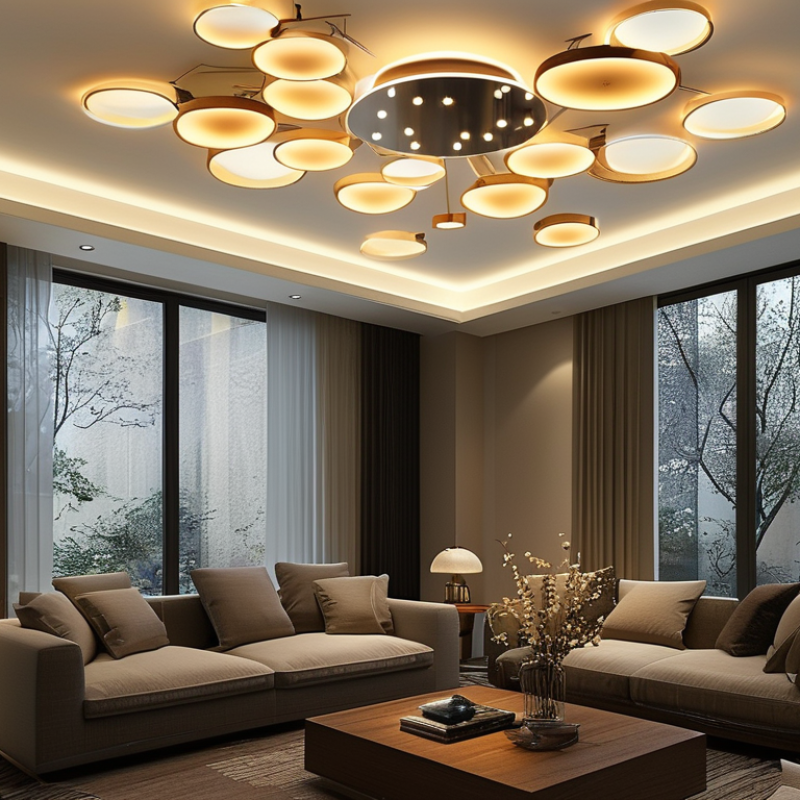
Selecting the Right Ceiling Light Based on Room Size and Height
Choosing the right ceiling light fixture can transform your space significantly. Room size and height play crucial roles in this selection. A small room with low ceilings may benefit from flush mount fixtures. These lights are close to the ceiling, providing ample illumination without overwhelming the space. On the other hand, larger rooms can accommodate pendant lights or chandeliers, drawing the eye upward and creating an inviting atmosphere.
Consider the height of your ceilings. If they're lower than eight feet, avoid elongated fixtures. They can make the space feel cramped. For rooms with higher ceilings, such as living areas or dining rooms, you can opt for more elaborate designs. This adds drama and character. However, be mindful of how these fixtures interact with the room's dimensions.
Lighting placement matters too. Centering fixtures in the room is essential, but think about natural light sources as well. If a space is bright during the day, you may not need as much artificial light. It’s easy to overlook these details, but they’re vital for achieving balance. Reflect on your space's functionality; practical lighting can enhance everyday life in subtle yet meaningful ways.
Understanding Different Types of Ceiling Light Fixtures and Their Styles
Choosing the right ceiling light fixture can elevate your space's aesthetics and functionality. Understanding different types and styles is essential. For instance, chandeliers create a luxurious ambiance, while flush mount lights offer a modern touch. According to the American Lighting Association, over 70% of homeowners prioritize light fixtures’ design when redecorating.
Selecting the appropriate style starts with recognizing the room's function. In kitchens, bright general lighting is crucial. Pendant lights, with adjustable heights, offer versatile options. In contrast, cozy settings like bedrooms benefit from softer, ambient lighting. A study by the National Kitchen and Bath Association indicates that nearly 40% of homeowners opt for layered lighting schemes, combining ambient, task, and accent lights.
Tips: Consider the ceiling height when choosing fixtures. A lower ceiling may require flush mounts or low-profile fixtures. Additionally, think about the room's color scheme. A light fixture should complement existing decor, drawing the eye without overwhelming the space. Finally, always consider energy efficiency. LED options can reduce costs significantly and last longer than traditional bulbs, improving both sustainability and reliability in your lighting choices.
Evaluating Brightness and Color Temperature for Optimal Lighting
Choosing the right ceiling light fixture can significantly impact the ambiance of your space. Evaluating brightness and color temperature is crucial. Studies show that proper lighting can improve mood and productivity. For instance, a report from the Pacific Northwest National Laboratory reveals that well-lit spaces can increase performance by up to 25%.
When deciding on brightness, consider lumens. More lumens mean brighter light. For cozy living areas, 1,500 to 3,000 lumens are often sufficient. In contrast, kitchens may require 3,000 to 4,000 lumens for optimal visibility. It's also important to choose fixtures that distribute light evenly to avoid dark spots.
Color temperature plays a key role as well. Measured in Kelvin (K), lower values like 2700K create a warm feel, ideal for bedrooms. Cooler temperatures around 5000K mimic daylight, which can enhance alertness and focus in workspaces. Be cautious when selecting your light source. Too warm may lead to drowsiness, while overly cool lighting might feel harsh.
Tips:
- Test different bulbs before committing.
- Use dimmers to adjust brightness as needed.
The interplay of brightness and color temperature can transform your room. Prioritize finding a balance that fits your needs and preferences.
Considering Energy Efficiency Ratings for Sustainable Lighting Choices
When choosing a ceiling light fixture, energy efficiency is crucial. High energy costs impact your budget and the environment. Selecting fixtures with better energy ratings can lead to significant savings over time. Look for LED options, which consume less energy and last longer than traditional bulbs. Check for labels like ENERGY STAR, which indicate reliable performance.
Tips for efficiency:
- Consider the wattage. Fewer watts mean lower energy use.
- Evaluate lumens for brightness. Higher lumens with low wattage are preferable.
- Use dimmer switches to adjust light levels easily.
It's important to think about the layout of your space. A well-planned light arrangement enhances functionality. Inadequate lighting can create shadows and make rooms feel cramped. Conversely, too bright can be harsh and uncomfortable. Aim for a balanced illumination that matches your room's function.
Reflect on your choices. An expensive fixture may not be sustainable if it consumes excessive energy. Always compare options. Poor decisions may lead to regret later on. You want a fixture that is stylish and energy-efficient. Sustainable lighting is not just smart; it’s also a responsible choice for our planet.
Assessing the Impact of Fixture Placement on Room Aesthetics and Function
When selecting a ceiling light fixture, consider its placement carefully. The location can transform the entire aesthetic of your room. For instance, a fixture centered above a dining table adds elegance. In contrast, an off-center light may disrupt balance. Understand how height and distance impact the atmosphere. Ceiling light should not overwhelm but complement.
The function of the room also dictates fixture choice. For a cozy reading nook, install fixtures that cast soft, warm light. Overhead lights can be harsh in such a space. Think about how fixtures can enhance functionality. Task areas need brighter lights, while relaxation zones benefit from softer illumination. Experimentation might lead to unexpected outcomes, so embrace trial and error in your design approach.
Placement isn’t solely about function but also about style. A statement piece can draw the eye but must suit the room’s theme. Something too bold may clash with delicate decor. Reflect on the overall design narrative. Sometimes, fixtures can feel out of place, steering you toward a more harmonious selection. Ensure your ceiling light enhances rather than detracts from your space.
