How to Choose the Right Medium Voltage Ring Main Unit?
Choosing the right Medium Voltage Ring Main Unit (RMU) is a critical task for electrical engineers. These units play a vital role in power distribution networks. They ensure reliable, safe, and efficient electricity delivery. An inappropriate selection may lead to system failures or safety hazards.
When assessing options for Medium Voltage Ring Main Units, multiple factors must be considered. Understanding voltage ratings, insulation types, and fault current capabilities is essential. Each aspect directly impacts the overall performance and longevity of the system. Furthermore, manufacturers' reputations also matter. Established brands often provide better support and reliability.
However, not all RMUs are created equal. Different applications require tailored solutions. This complexity can sometimes lead to confusion. Engineers must weigh specifics like installation requirements and maintenance needs. Taking time to reflect on these elements can make a vast difference in outcomes. Careful evaluation prevents costly mistakes and enhances safety, ensuring the chosen RMU fits the unique requirements of the installation environment.
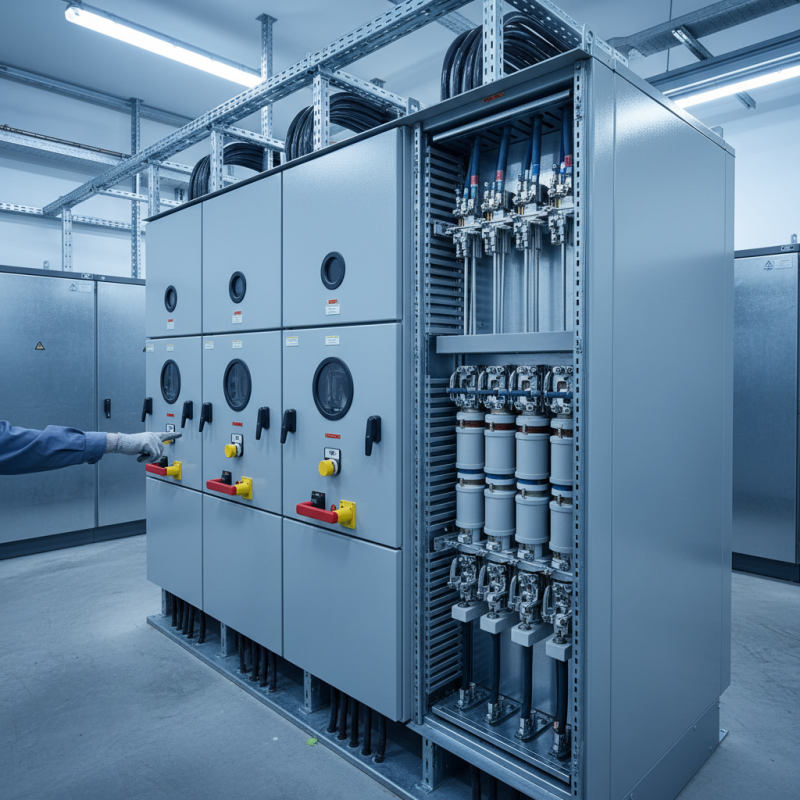
Understanding Medium Voltage Ring Main Units
Medium Voltage Ring Main Units (RMUs) play a critical role in electrical distribution systems. They provide a reliable method for connecting and protecting medium voltage circuits. Understanding their components and functionality is essential for effective selection and implementation. RMUs typically consist of circuit breakers, switches, and transformers, ensuring seamless power flow and safety.
When choosing an RMU, consider the environment. Installation location affects performance. For instance, outdoor units require robust insulation against weather elements. Conversely, indoor units may need protection from dust and moisture. Each setting presents unique challenges that can impact reliability.
Pay attention to maintenance needs. While some RMUs are designed for low maintenance, all units need regular checks. This can be a challenging aspect for facilities. Operators must balance reliability with maintenance requirements. Skilled personnel are vital for this task. A poorly maintained RMU can lead to failures, impacting operations significantly. The expertise of those involved is crucial, as even minor oversights can have serious consequences.
Distribution of Medium Voltage Ring Main Unit Applications
Key Factors to Consider When Selecting a RMU
When selecting a medium voltage ring main unit (RMU), several key factors come into play. The design and layout of your electrical distribution system are crucial. Consider the space available for installation. Compact models may save space but might lack some features. Evaluate your system's specific requirements. Will it be exposed to harsh environments? Choosing materials that withstand corrosion is essential.
Another critical consideration is the RMU's operational capabilities. Assess the load demands and fault levels of your network. A unit with adequate ratings will ensure reliability and efficiency. Look for features like flexibility in configuration. Some RMUs offer modular designs, allowing future expansions or modifications.
Maintenance and serviceability should not be overlooked. Select units that provide easy access to components and clear labeling. This can reduce downtime during inspections or repairs. Reflect on these elements to make an informed choice. Your selection can greatly impact the reliability of your power distribution system. Understanding these factors strengthens your capacity to choose an RMU that suits your needs.
Types of Medium Voltage Ring Main Units Available
When choosing a medium voltage ring main unit (RMU), understanding the different types available is essential. RMUs can generally be classified into three main categories: gas-insulated, air-insulated, and hybrid units. Gas-insulated RMUs are compact and ideal for urban areas where space is limited. They offer high reliability, reducing maintenance needs. However, initial installation costs can be high.
Air-insulated RMUs stand out for their simplicity and ease of maintenance. These systems are typically larger and can be more cost-effective in rural settings. Their vulnerability to environmental factors may require more frequent checks. Hybrid RMUs combine features of both gas and air insulation. They provide flexibility, often fitting a variety of installation conditions. Yet, this complexity can also lead to technical challenges.
Selecting the right type involves careful consideration of site-specific factors. Space constraints, climatic conditions, and budget are critical. Consulting with professionals can yield insights yet, personal experiences vary widely. Not all options suit every project. It's important to reflect on past installations to avoid repeating mistakes. Understanding these types can lead to better decision-making.
Safety and Compliance Standards for RMUs
Safety and compliance standards for Medium Voltage Ring Main Units (RMUs) are critical in ensuring reliable operation. The International Electrotechnical Commission (IEC) provides guidelines that inform the design and testing of RMUs. According to IEC 62271, these units must withstand specific electrical stress and environmental conditions. Meeting these standards mitigates risks associated with equipment failure and enhances operational safety.
Regular inspections are essential. They identify potential issues before they lead to failures. A 2020 report highlighted that 30% of RMU failures resulted from inadequate maintenance. Implementing robust maintenance schedules can reduce downtime and increase safety. Additionally, adherence to local codes is vital. Non-compliance can lead to penalties and increased liability.
It's worth noting that while many manufacturers claim compliance, verifying their certifications is crucial. Relying on third-party audits can ensure that RMUs maintain compliance over time. This practice not only enhances safety but also builds trust with stakeholders. The choice of RMU should prioritize manufacturers with proven compliance records and robust safety features, aligning with industry best practices and statistical insights.
Maintaining and Upgrading Medium Voltage Ring Main Units
When maintaining and upgrading medium voltage ring main units, it’s vital to establish a clear plan. A thorough assessment of existing infrastructure should be your first step. Use a checklist to evaluate current components. This helps identify areas needing attention. Components like circuit breakers, fuses, and switchgear often show wear over time. Regular visual inspections can prevent unexpected failures.
Tips for Maintenance:
- Schedule annual inspections to detect wear early.
- Keep a maintenance log for each unit. This enhances reliability.
- Train staff on recognizing potential issues.
Upgrading is another critical aspect. Technology evolves quickly, and what was once efficient may no longer be adequate. Look for advancements that improve efficiency and safety. For instance, incorporating digital monitoring systems can provide real-time data. However, transitioning to advanced systems can be challenging. Some workers may resist change. Address concerns through training and clear communication.
Tips for Upgrading:
- Consider compatibility with existing systems.
- Plan for downtime during upgrades to minimize impact.
- Budget for unforeseen costs. They often arise.
Finally, always reassess your approach. There’s no one-size-fits-all solution. Regularly revisiting your maintenance and upgrade strategies can significantly enhance performance and safety.
How to Choose the Right Medium Voltage Ring Main Unit? - Maintaining and Upgrading Medium Voltage Ring Main Units
| Criteria | Description | Considerations |
| Voltage Level | The nominal voltage ratings required for the system. | Ensure compatibility with existing infrastructure. |
| Current Rating | The maximum continuous current the unit can handle. | Evaluate potential load growth. |
| Protection Type | Type of protection system in place (e.g., fuses, circuit breakers). | Select based on fault protection requirements. |
| Installation Location | Indoor or outdoor installation requirements. | Consider environmental factors like moisture and dust. |
| Maintenance Needs | Frequency and type of maintenance required. | Plan for budget and manpower for upkeep. |
| Upgrading Capability | Potential for future upgrades and expansions. | Assess long-term needs. |
