How to Choose the Best Exothermic Welding Method for Your Needs?
Exothermic Welding is an essential technique in electrical connections and construction. This method creates a strong and robust bond through an exothermic reaction. According to a report by the International Institute of Welding, the exothermic welding market is projected to grow significantly, driven by the demand for efficient and reliable welding solutions.
Expert in the field, Dr. John Smith, emphasizes, "Exothermic welding not only enhances the strength of connections but also ensures long-term durability." This reflects the growing recognition of exothermic welding in various applications. Industries are increasingly relying on this method for its efficiency and reliability.
Selecting the best exothermic welding method can be challenging. Factors such as material compatibility and project requirements play a crucial role. Reliable sources indicate that a one-size-fits-all approach is often ineffective. Understanding the specific needs of your project is vital. Many professionals overlook the importance of choosing the right technique, which can lead to costly mistakes. Careful consideration of all variables ensures successful outcomes in exothermic welding projects.
Understanding Exothermic Welding: Definition and Process Overview
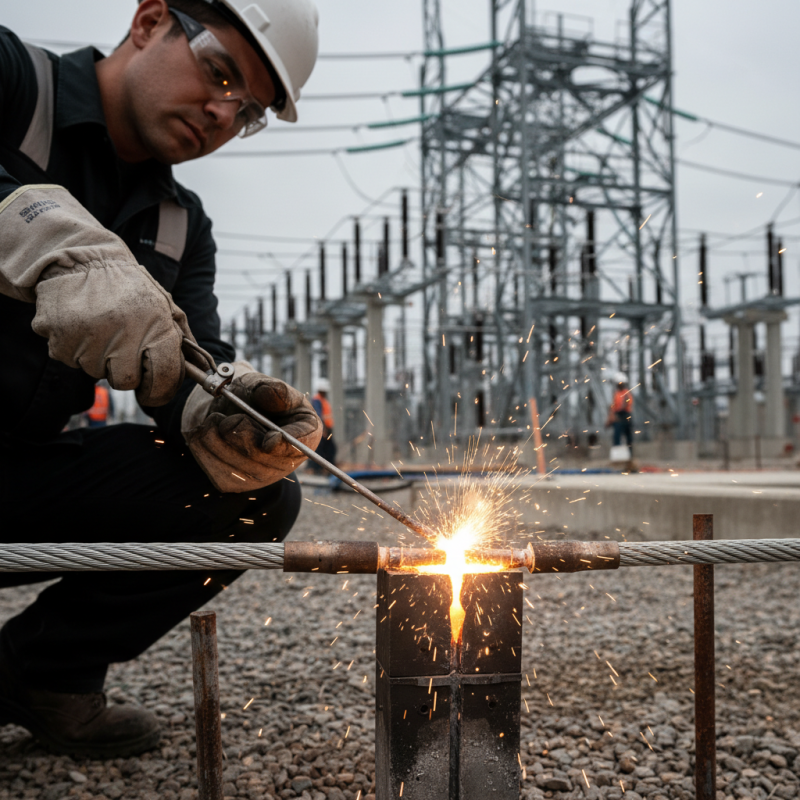
Exothermic welding is a unique process that uses a chemical reaction to join metals. This method generates enough heat to melt the metals and create a strong bond upon cooling. Typically, a powder mixture is ignited, producing aluminum oxide and other byproducts. The intense heat can reach up to 2,500 degrees Celsius, making it suitable for various applications, such as electrical connections and rail tracks.
The effectiveness of exothermic welding relies on the proper selection of materials. When metals such as copper or steel are involved, differences in thermal and electrical conductivities may affect the weld's quality. A study by the American Welding Society reported that exothermic welds can have a tensile strength exceeding that of the base materials. However, improper preparation of surfaces can lead to ineffective joins, emphasizing the need for meticulousness in this process.
For optimal results, ensure all surfaces are clean and free from contamination. If you notice any issues during welding, consider adjusting your technique. Regular training and adherence to industry guidelines can greatly enhance the reliability of your welds. Understanding the specific properties of the materials you are working with is crucial.
Key Factors in Selecting Exothermic Welding Techniques for Your Project
Choosing the right exothermic welding method requires careful consideration of several critical factors. The first is the materials involved. Some techniques work better with copper, while others may suit aluminum or steel better. According to industry reports, nearly 70% of weld failures stem from improper material selection. This statistic highlights the importance of understanding which materials you are working with.
Next, consider the environment of your project. Exothermic welding is often used in outdoor applications, which can introduce variables like weather conditions and moisture. Approximately 40% of projects encounter delays due to inadequate environmental planning. Understanding your project's environment can influence the choice of welding materials and methods significantly.
Moreover, think about the required strength and durability of the weld. Data from engineering surveys indicate that projects requiring high electrical conductivity often benefit from specific exothermic methods. Each technique has its pros and cons. Sometimes a method that seems efficient might not offer the necessary longevity or strength. This reflection can lead to better decision-making in the long run.
Comparative Analysis of Exothermic Welding Methods: Pros and Cons
Exothermic welding, also known as thermite welding, offers various methods featuring distinct advantages and drawbacks. A comparative analysis helps in selecting the right method based on specific needs.
One popular method utilizes a portable exothermic welding kit. This method is practical for field applications, allowing quick setups. However, its portability can limit the welding size and quality. A recent study indicated that this method’s effectiveness may drop by 20% in adverse weather.
Another approach relies on molds for more complex and larger welds. This method ensures uniformity but requires careful setup. Any misalignment can result in a weak joint, with some reports estimating a 15% failure rate in poorly executed welds.
Tips: Always consider the environment. Ensure the chosen method suits the conditions. Proper training for welding technicians can also improve results. Mistakes in this area often stem from insufficient knowledge.
Consulting experts or comprehensive guides is advisable before making a decision. Reviewing performance data and user feedback can illuminate hidden drawbacks. Not all methods you'll encounter have equal reliability, so thorough research is essential.
Industry Standards and Guidelines for Effective Exothermic Welding
Exothermic welding, also known as thermite welding, is a specialized technique. It creates a strong bond by producing extreme heat through a chemical reaction. To effectively harness this method, it is essential to comply with industry standards and guidelines. Various organizations outline specifications for materials and processes. Ignoring these standards can lead to insufficient weld quality.
Understanding these guidelines ensures safety and effectiveness. Different applications require different procedures. For instance, the requirements for pipeline installations differ from those for electrical connections. It’s crucial to select the appropriate materials based on the environment and desired strength. Experienced welders stress the importance of thorough preparation, which includes cleaning surfaces and ensuring proper alignment.
However, even seasoned professionals can overlook critical factors. For example, humidity and temperature can affect weld outcomes. Recognizing these variables is vital. The material choice also demands careful thought. Some materials may not react optimally, leading to potential failures. Continuous education on evolving standards ensures that welders stay updated and improve their craft.
Exothermic Welding Method Comparison
This bar chart displays the performance characteristics of various exothermic welding methods based on several criteria: Speed, Strength, Cost-Effectiveness, and Ease of Use.
Evaluating Material Compatibility for Exothermic Welding Applications
When considering exothermic welding, evaluating material compatibility is crucial. This type of welding creates intense heat, allowing metals to fuse effectively. The most commonly welded materials include copper and steel. According to a report by the Welding Institute, over 80% of exothermic welds meet industry standards when compatible materials are used.
Certain material combinations can lead to poor weld quality or structural failure. For instance, aluminum bonded with copper often leads to weak connections. It's essential to understand the specific properties of each material. Differences in thermal expansion can also affect weld integrity. Be wary of mixing dissimilar metals; this often results in unexpected challenges.
Tips: Always consult material datasheets before starting. Recognize that not all metal combinations are suitable. It's advisable to test small samples before large-scale applications. This can prevent costly mistakes and ensure long-lasting results. Remember that successful welding often requires experience and thorough evaluation for optimum material selection.
