Top Compact Wheel Loader Benefits and Features Explained?
Compact Wheel Loaders have become essential in modern construction. Their versatility aligns perfectly with various job sites and tasks. Many industries use them to enhance productivity. Whether it’s moving materials or digging, they prove their worth daily.
One notable feature of a Compact Wheel Loader is its size. Unlike larger machinery, it can maneuver in tight spaces. This ability helps in urban projects where space is limited. Operators appreciate the ease of handling. Yet, some users find learning curves steep. Failure to grasp the controls can lead to less efficient operation. A compact machine, while beneficial, isn't without its challenges.
Additionally, maintenance plays a critical role in performance. Regular checks can prevent costly breakdowns. However, busy schedules can lead to oversights. Without proper care, even the best Compact Wheel Loader may underperform. It's vital to balance frequent use with necessary upkeep. These machines offer great benefits but require attention to detail.
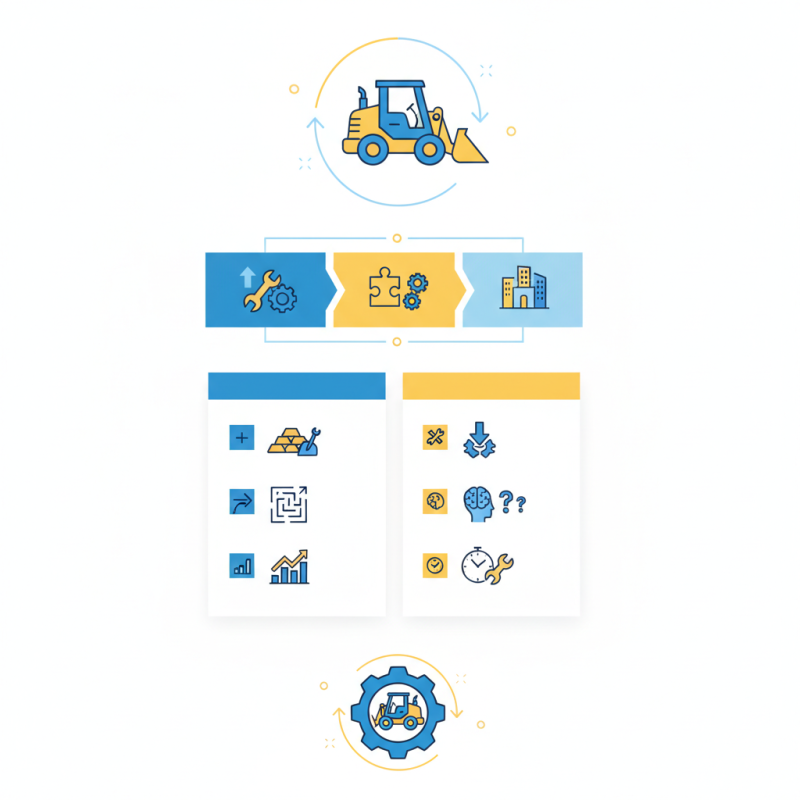
Benefits of Compact Wheel Loaders in Urban Construction Projects
Compact wheel loaders have become essential in urban construction projects. Their size allows for maneuverability in tight spaces. According to a recent industry report, compact wheel loaders can decrease operational time by up to 25%. This efficiency is crucial when working in densely populated areas. They can easily navigate through narrow streets and crowded job sites.
These machines are designed to handle versatile tasks. They can lift, load, and transport materials quickly. Their ability to switch attachments increases their utility significantly. A survey from the Association of Equipment Manufacturers highlighted that 70% of contractors prefer multi-purpose machinery for urban tasks. This preference underscores the demand for compact loaders in various construction phases.
However, there are challenges. The limited load capacity can be a concern for larger projects. Some operators may find them less stable compared to larger counterparts. It’s essential to balance compactness with capability. Urban construction demands innovation and adaptability. Compact wheel loaders offer these benefits but may require careful consideration during project planning.
Key Features of Compact Wheel Loaders Enhancing Operational Efficiency
Compact wheel loaders are gaining popularity for their operational efficiency. Their compact size allows for maneuverability in tight spaces where larger machines struggle. You can use them in urban construction sites or landscaping projects. They work effectively on uneven terrain, improving productivity.
One key feature is their versatility. Compact wheel loaders can attach various implements. You might find yourself switching from buckets to forks within minutes. This adaptability reduces downtime and enhances project flexibility. However, the option for attachments can sometimes lead to confusion. Operators may not always choose the best tool for the job.
Another notable benefit is their ease of operation. Designed with user-friendly controls, they require less training time. Operators appreciate the low noise level and decreased fuel consumption. Yet, it's essential to ensure operators fully understand the machine's capabilities. Misusing a compact wheel loader could potentially lead to inefficiencies. Proper training and practice make a difference.
Top Compact Wheel Loader Benefits and Features Explained
| Feature | Description | Operational Benefit |
| Compact Size | Designed to maneuver in tight spaces | Increased versatility in urban environments |
| Fuel Efficiency | Engine technology that optimizes fuel consumption | Reduced operating costs and environmental impact |
| Versatile Attachments | Compatible with various attachments like buckets, forks, and more | Enhanced functionality for different tasks |
| Operator Comfort | Ergonomically designed cab with adjustable seating | Improved productivity through reduced operator fatigue |
| Advanced Hydraulics | Efficient hydraulic systems for faster operation | Increased speed and precision in loading tasks |
| Durability | Robust construction with high-quality materials | Minimized downtime and maintenance costs |
Cost-Effectiveness of Compact Wheel Loaders in Material Handling
Compact wheel loaders offer significant cost-effectiveness in material handling. Their smaller size allows for easier maneuverability in tight spaces. This makes them ideal for urban jobs where space is limited. Moreover, they can handle a range of materials efficiently, from dirt to gravel. With less fuel consumption compared to larger machines, they save money on operational costs.
When using compact wheel loaders, maintenance should not be overlooked. Regular checks are essential to keep machines running smoothly. Ignoring small issues can lead to larger, costlier problems down the line. Operators should also be trained to recognize potential maintenance needs. This can help avoid downtime and additional expenses.
Efficiency is key. Ensure that the loader is matched to the task at hand. Overloading a compact wheel loader can cause strain and lead to breakdowns. On the other hand, using a loader that's too small may slow productivity. Balance is crucial for maintaining cost-effectiveness in material handling.
Technological Innovations Driving Compact Wheel Loader Performance
Technological innovations are reshaping compact wheel loaders. Enhanced sensors and automation provide better control. Operators can achieve higher efficiency with precision. Real-time data helps in decision-making and task optimization.
The integration of advanced hydraulics leads to improved lifting capabilities. Loaders with better stability can handle heavier materials. Fuel-efficient engines contribute to lower operational costs. However, technicians must adapt to these technologies. Regular training is essential for effective use.
Yet, challenges remain in user adaptation. Some operators may find new systems complex. It requires patience to fully understand these advancements. Feedback from users is crucial for continuous improvement. Embracing technology is a journey, not an instant transformation.
Safety Features in Compact Wheel Loaders: Reducing Workplace Hazards
Compact wheel loaders are essential in various environments, but safety is the prime concern. Operators face numerous risks on job sites. Therefore, implementing robust safety features is crucial to minimize hazards. These loaders often come equipped with advanced visibility options. For instance, large windows and strategically placed mirrors help operators see their surroundings better.
In addition, many models incorporate stability systems. These systems alert operators if the machine is at risk of tipping over. Roll-over protection structures (ROPS) and falling object protective structures (FOPS) are also common. These features provide an extra layer of protection during operation. Regular inspections are still necessary. Ensure that these safety features are fully functional at all times.
Tips: Regularly train staff on proper operation techniques. This can enhance safety and efficiency. Use communication devices for better coordination among workers. Always encourage reporting of potential hazards. With a focus on safety, workplaces become less risky for everyone involved.
