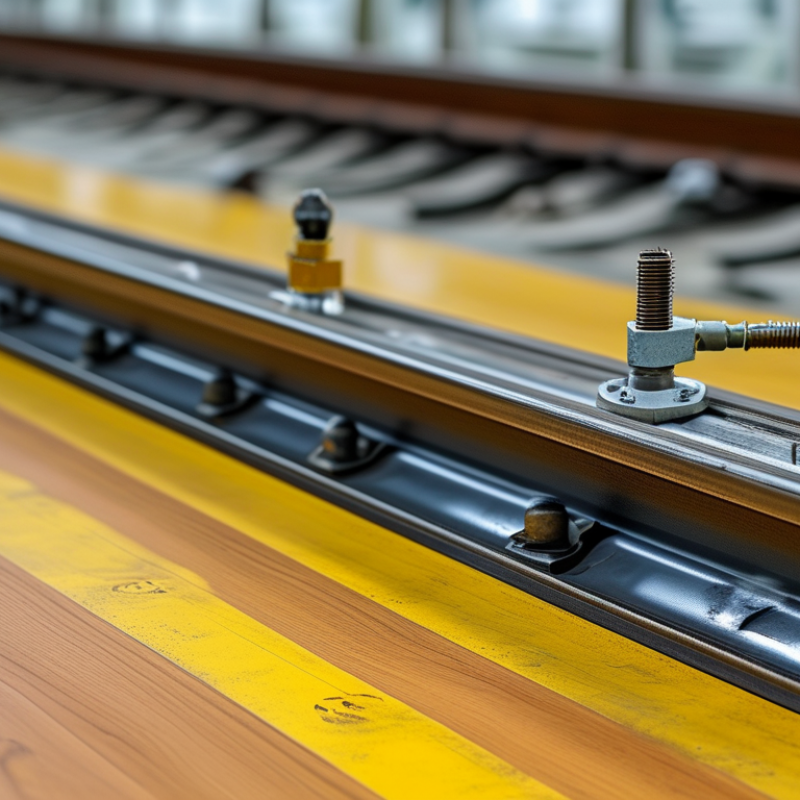
What is a Conductor Rail Support Bracket and Its Uses?
The Conductor Rail Support Bracket plays a vital role in various rail systems. It ensures stability and proper alignment for overhead conductor rails. This bracket supports electrical components safely and efficiently.
Designed for durability, the Conductor Rail Support Bracket withstands heavy loads and harsh environments. It is crucial in urban transit systems, allowing trains to operate smoothly. Its reliable performance enhances safety in public transport.
However, challenges can arise. Installation errors may lead to misalignment, affecting rail performance. Regular inspections are necessary to maintain optimal function. Understanding the needs of this component contributes to safer rail operations.
Definition of Conductor Rail Support Bracket
A conductor rail support bracket is an essential component in electrical systems. It provides the necessary support for conductor rails used in various industrial applications. These brackets ensure that the rails remain securely in position, facilitating efficient power distribution.
The main function of a conductor rail support bracket is to hold the conductor rail in place, preventing vibrations or movement during operation. Proper installation is crucial for maintaining system reliability. The choice of material for these brackets is vital. They must be durable enough to withstand heavy electrical loads and environmental factors.
*Tip: Regularly inspect your conductor rail support brackets. Look for signs of wear or corrosion. Addressing minor issues can prevent significant problems down the line.*
When selecting a bracket, consider its load capacity and compatibility with your rail system. Some installations may require custom solutions. Inadequate support may lead to electrical failures, which can be costly.
*Tip: Consult a professional if unsure about your needs. An expert can guide you toward the right choice for your application.*
In the end, the quality of your conductor rail support bracket impacts the overall performance of your electrical system. A thoughtful selection process is essential for safe and effective operations.
Conductor Rail Support Bracket Usage Statistics
This chart illustrates the distribution of Conductor Rail Support Bracket installations across various sectors. The data represents the number of installations in units, highlighting the importance of these brackets in power distribution, public transportation, manufacturing, construction, and infrastructure projects.
Primary Functions of Conductor Rail Support Bracket
A conductor rail support bracket plays a crucial role in electrical systems, particularly in transportation and industrial applications. These brackets are designed to support conductor rails that deliver electrical power to trains and trams. They ensure stability and safety in the installation while accommodating various environmental conditions.
One primary function of these brackets is to maintain the correct alignment of the conductor rails. Misalignment can lead to inefficiencies or failures in power transmission. They also absorb vibrations and mechanical stresses, protecting the entire electrical system from damage. Choosing the right material and design for these brackets is vital. The durability of materials impacts long-term performance.
Maintaining these brackets can be challenging. Over time, wear and tear must be inspected regularly. Environmental factors like humidity and temperature fluctuations also require careful consideration. Improperly installed or maintained brackets could cause serious issues. This is a reminder that regular checks are essential for optimal functioning.
Materials Used in Conductor Rail Support Bracket Construction
Conductor rail support brackets play a crucial role in the stability of conductor rail systems. These brackets need to handle significant weight and vibrations. The materials used for constructing these brackets are paramount. Most brackets are crafted from steel or aluminum alloys. Steel offers high strength and durability, while aluminum is lightweight and resistant to corrosion. The choice of material impacts the bracket's lifespan and performance under different conditions.
According to industry reports, steel conductor rail support brackets typically have a tensile strength of over 400 MPa. This makes them suitable for heavy-duty applications such as in rail transport systems. Alternatively, aluminum brackets, often reinforced, provide sufficient resilience against harsh environments. They usually weigh about 30% less than their steel counterparts, making installation easier and safer. This selection can lead to elevated efficiency in operational settings.
However, using lower quality materials can result in failures. Reports indicate that upwards of 15% of bracket failures are due to inadequate material properties. Investing in reliable materials is not just beneficial; it can prevent costly downtime and accidents. Therefore, understanding the specific requirements and environmental factors is essential when selecting materials for these critical components.
Applications of Conductor Rail Support Bracket in Different Industries
Conductor rail support brackets are essential components in various industries. They provide stability and support for the conductor rails used in electrified transport systems. These brackets ensure that the power supply remains consistent and safe, which is crucial for operations.
In the railway sector, conductor rail support brackets play a critical role. They secure the electric rails that power trains. A well-installed bracket can prevent disruptions caused by rail sagging. Failure can lead to service interruptions, highlighting the importance of regular maintenance and inspection.
In industrial applications, such as factories, these brackets are equally important. They support rails that supply power to mobile equipment. A sturdy support limits the risk of accidents and ensures efficient operation. However, poor installations can create hazards. Companies must prioritize proper training for their maintenance teams to enhance safety and reliability. These practices elevate the overall performance of the system while minimizing risks.
Installation and Maintenance Guidelines for Conductor Rail Support Brackets
When installing a conductor rail support bracket, ensure you assess the area thoroughly. Identify the mounting points on the floor and ensure stability. The brackets must be aligned correctly to support the conductor rail effectively. Misalignment can lead to rail failure, which might disrupt operations.
Regular maintenance is essential. Inspect the brackets for signs of wear and corrosion. Any loose fittings should be tightened immediately. A small crack or rust can compromise the entire system. Remember, neglecting inspections and maintenance can lead to accidents. Optimal performance requires diligence. Proper care extends the lifespan of the brackets and ensures safety in operation.
What is a Conductor Rail Support Bracket and Its Uses? - Installation and Maintenance Guidelines for Conductor Rail Support Brackets
| Dimension | Description | Usage | Maintenance Tips |
| Material | Typically made from steel or aluminum for strength and durability. | Supports overhead conductor rails in electric rail systems. | Inspect for corrosion and wear regularly, especially in harsh environments. |
| Load Capacity | Can support varying loads based on design, typically from 200 kg to 1000 kg. | Ensures that conductor rails remain stable under electrical load. | Ensure proper installation to prevent failures under load conditions. |
| Installation Height | Typically installed between 2.5 to 5 meters above the ground depending on system requirements. | Maintains conductor rail positioning for optimal operation of train systems. | Follow specific height guidelines as per engineering standards for safety. |
| Dimensions | Commonly varies from 50mm to 200mm in width and height according to application needs. | Secures conductor rail to prevent movement during transit. | Regularly check bolts and fastening devices for integrity. |