Why Are Cable Lugs Essential for Electrical Connections?
Cable Lugs play a vital role in ensuring reliable and safe electrical connections. These components are essential for linking cables to terminals in various electrical systems. A report from the International Electrotechnical Commission (IEC) indicates that improper connections can account for up to 30% of electrical failures in industrial applications. This highlights the need for robust solutions like cable lugs.
According to industry expert Dr. John Parker, “Cable lugs are the unsung heroes of electrical connectivity.” His statement reflects the importance of choosing the right lugs for specific applications. With varying types available, the selection process can be overwhelming. Factors like material, size, and environmental conditions must be considered.
Deficient understanding of these components can lead to avoidable hazards. For instance, using substandard lugs can result in overheating or electrical shorts. This calls for a conscientious approach toward quality and specifications in the cable lugs market. Thus, evaluating industry standards becomes crucial for safe and efficient electrical systems.
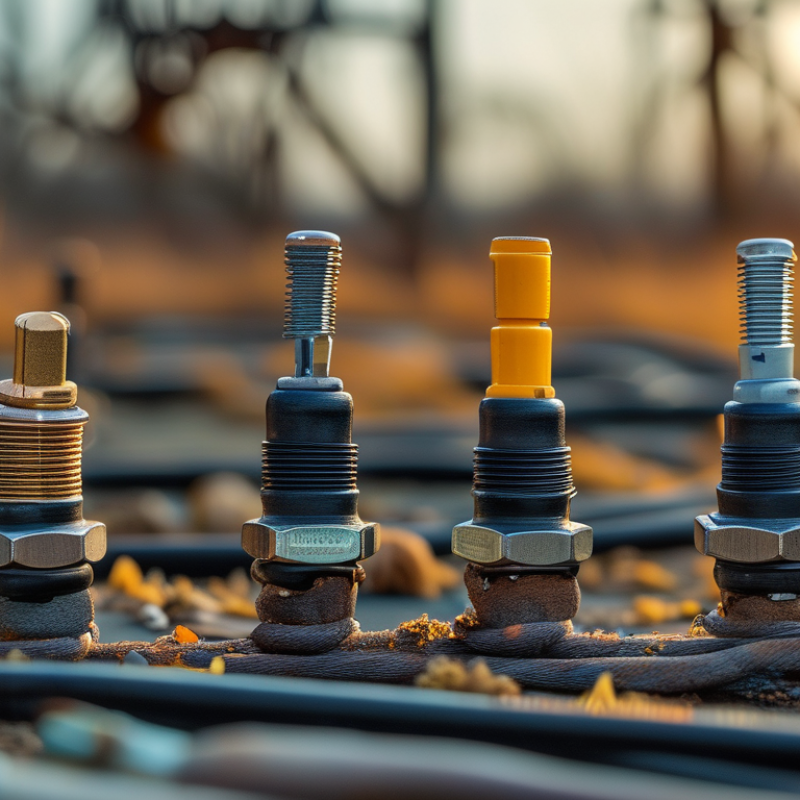
Understanding Cable Lugs and Their Function in Electrical Systems
Cable lugs play a vital role in ensuring reliable electrical connections. They connect wires to various terminals and devices, making them essential for effective energy transmission. According to data from the International Electrotechnical Commission, improper connections can account for over 30% of electrical system failures. This statistic underscores the importance of using high-quality cable lugs.
The functionality of cable lugs goes beyond mere connection. They help reduce resistance in electrical pathways, decreasing the likelihood of overheating. A well-designed lug can handle high currents while maintaining optimal performance. However, not all lugs are created equal. Poorly made lugs can lead to voltage drops and increased energy losses. Research from the Electrical Engineering Institute indicates that faulty connections can diminish system efficiency by up to 5%.
When choosing cable lugs, consider factors like material and design. Copper lugs offer superior conductivity but might be costlier than aluminum ones. While aluminum is lighter and cheaper, its conductivity is lower. Mistakes in selection can have lasting impacts on system reliability. A deep understanding of the functional elements of cable lugs will lead to safer, more efficient electrical systems.
Importance of Cable Lugs in Electrical Connections
The Importance of Material Selection in Cable Lug Manufacturing
Cable lugs play a vital role in electrical systems. Selecting the right material for these components is crucial. Metals like copper and aluminum are commonly used due to their conductivity. The choice of material directly impacts the performance and longevity of the connections.
Improper material selection can lead to issues like overheating and corrosion. For example, using a low-quality metal can cause resistance in the connection. This resistance generates heat, damaging both the cable and the lug. It's essential to evaluate the application environment. Corrosive environments require materials that resist degradation.
Tips: Always check for compatibility with your cables. For outdoor use, consider materials resistant to UV rays and moisture. When in doubt, consult an expert. They can offer insights on material characteristics and appropriate uses. Investing time in material selection is essential for safety and efficiency.
Different Types of Cable Lugs and Their Applications
Cable lugs play a crucial role in creating reliable electrical connections. Understanding the different types of cable lugs and their specific applications can enhance the performance of your electrical systems.
There are several types of cable lugs, including crimp lugs, solder lugs, and insulated lugs. Crimp lugs are designed for quick and secure connections. They suit various wire sizes. Solder lugs offer excellent conductivity but require soldering skills. Insulated lugs prevent accidental contact with live wires, enhancing safety in installations. Each type serves unique needs based on the environment and application.
Tips: When choosing cable lugs, consider their material. Copper and aluminum lugs are popular choices, each with specific advantages. Ensure compatibility with your cables for optimal performance. Also, inspect lugs for wear periodically. Damaged lugs can lead to poor connections. Regular checks enhance safety and reliability in electrical systems. Don't overlook installation techniques. Proper crimping or soldering ensures long-lasting connections.
Installation Best Practices for Ensuring Reliable Electrical Connections
Cable lugs play a crucial role in creating secure electrical connections. Their proper installation is essential to avoid failures. Improperly connected lugs can lead to overheating or power loss. Following best practices is vital for reliable results.
Start by selecting the right size lug for your cable. Ensure a snug fit to prevent any movement. Strip the insulation carefully, leaving enough bare wire to fit into the lug. This step is often overlooked, leading to inadequate connections. Using a quality crimping tool guarantees a strong bond. Remember, a poor crimp can cause future issues, such as intermittent connectivity.
After installation, inspect each connection. Look for any signs of wear or damage. Problems may not be immediately visible. Regular maintenance helps identify potential failures before they occur. Keeping records of inspections can enhance reliability. This diligence ensures that your electrical system remains safe and efficient.
Maintenance and Inspection Tips for Long-Lasting Cable Lug Performance
Cable lugs are crucial components in electrical systems, providing strong connections between wires and terminals. To ensure that these connections remain effective, regular maintenance and inspection are key. Here are some practical tips to enhance cable lug performance.
Start by checking for corrosion. Even a small amount of rust can weaken connections. Clean the lugs regularly with a wire brush. Ensure that all surfaces are free of dirt and moisture. Apply a suitable lubricant to prevent future corrosion, which can compromise electrical flow. Remember, a clean connection translates to better performance.
Inspect the cable lugs for signs of wear or damage. Look for cracks, chips, or any deformation. These indicators can lead to improper connections, causing overheating or failures. If any lugs appear worn out, replace them promptly. Ignoring small issues can lead to bigger problems later. Regular inspections can save time, money, and ensure safety in your electrical systems.
Why Are Cable Lugs Essential for Electrical Connections? - Maintenance and Inspection Tips for Long-Lasting Cable Lug Performance
| Cable Lug Type | Material | Max Current Rating (A) | Voltage Rating (V) | Recommended Maintenance Frequency |
| Standard Cable Lugs | Copper | 100 | 600 | Annually |
| Heat Shrinkable Cable Lugs | Aluminum | 150 | 1000 | Every 6 months |
| Tinned Cable Lugs | Copper | 75 | 450 | Every 2 years |
| Flat Cable Lugs | Aluminum | 200 | 800 | Annually |
