What Is Exothermic Welding Powder?
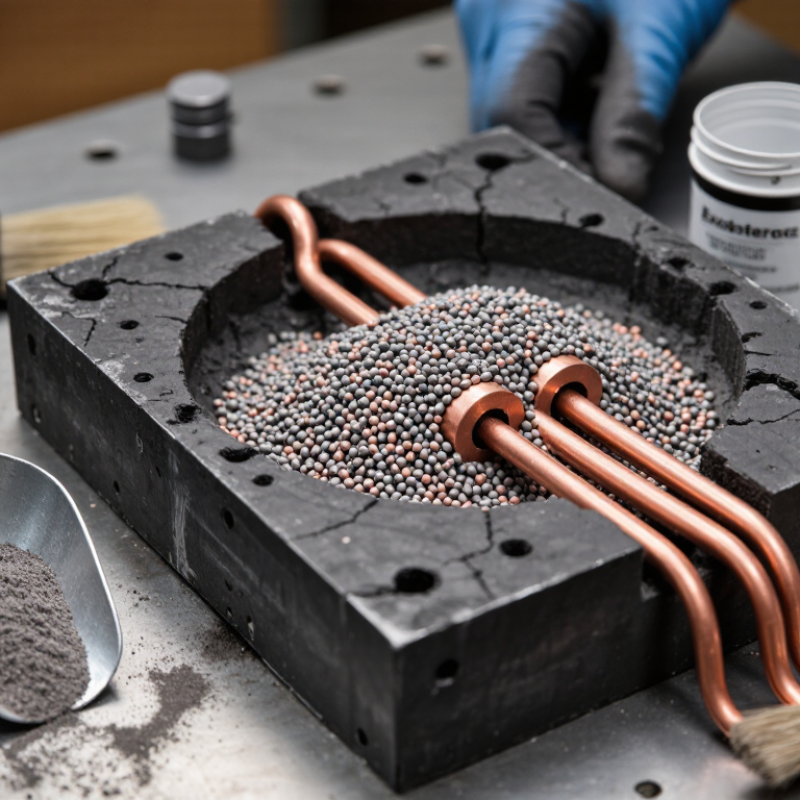
Exothermic Welding Powder is the reactive mixture used to create a high-temperature reaction for joining compatible conductors and metal components. Inside a graphite mold, a measured charge reacts and produces molten metal. The metal flows around the prepared connection, then cools into a solid bond. No external power supply is needed. The exact powder blend and charge depend on the conductor, mold, and application, so products are not interchangeable by appearance alone.
In an illustrative expert voice, welding engineer Daniel Mercer puts the key idea simply: “A dependable weld begins with the right charge, a clean connection, and a mold suited to the job.” This is original wording, not a verified quotation from a real, named industry expert. In practice, technicians check the powder label, inspect the mold for cracks, and remove dirt or moisture from the contact surfaces. Small details matter. A damp conductor or poorly seated mold can affect the result.
This guide explains what Exothermic Welding Powder contains, how it works, and what distinguishes common products. It also considers storage, handling, and quality checks, which are easy to overlook when attention stays on the reaction itself. The powder is only one part of the process. Training, compatible materials, and careful inspection matter too. Even then, no single description covers every product or connection. Always follow the manufacturer’s instructions, and verify that the selected system suits the specific application.
Definition and Purpose of Exothermic Welding Powder
Exothermic welding powder is a measured mixture of metal compounds that reacts to produce intense heat and molten metal. In many conductor-joining systems, the reaction forms molten copper, which bonds conductors inside a shaped graphite mold. The powder is the reaction material, not an adhesive or a coating. Its purpose is to create a durable electrical connection without relying on an external power supply.
The finished joint can have low electrical resistance and withstand corrosion when the materials are compatible and the process is controlled. That makes the method useful for grounding networks, electrical bonding, and other fixed conductor connections. Clean, dry conductors and a correctly sized mold matter; moisture or poor fit can compromise the result.
Small details count. Powder formulations and handling requirements vary, so trained workers should follow the supplier’s technical instructions and use suitable protective equipment.
A practical point is easy to overlook: a sound-looking weld still needs inspection, because appearance alone cannot confirm electrical performance. The process seems straightforward, but setup and quality checks require care.
Common Ingredients and Their Roles
What Is Exothermic Welding Powder?
Common Ingredients and Their Roles
Exothermic welding powder is a formulated mixture that produces intense heat through a chemical reaction. Its ingredients have different jobs. Metal oxide commonly supplies oxygen, while a reducing metal, often aluminum, helps drive the reaction and release heat. The exact materials vary by application. There is no single universal formula.
Some formulations include copper or other metals to provide weld metal and support electrical conductivity. Fluxing ingredients help manage oxides and impurities, which can otherwise interfere with the bond. They may form a separate slag layer that can be removed after cooling. Small differences matter. Moisture, storage conditions, and the fit of the connection can affect weld quality, so powder alone does not determine the result.
Ingredient names can sound more precise than they are. “Flux,” for example, may describe a role rather than one specific substance. Formulations are designed for particular conductors, molds, and operating conditions, and should be used according to their technical documentation. This is worth remembering: the reaction is brief, but the heat is substantial. Appropriate training, protective equipment, and a controlled work area are essential.
What Is Exothermic Welding Powder? — Common Ingredients and Their Roles
How to read this chart: It shows the theoretical mass proportions of the two reactants in the balanced reaction 3CuO + 2Al → 3Cu + Al₂O₃. Copper oxide supplies the copper, while aluminum removes oxygen from the copper oxide and releases heat. Actual welding mixtures may also contain copper, alloying additions, or flux, so their formulations can differ.
How the Welding Reaction Forms a Bond
Exothermic welding powder is a measured mixture that generates intense heat through a chemical reaction. In many copper-welding applications, aluminum reduces copper oxide, producing molten copper and aluminum oxide. The copper becomes the bonding metal. The reaction’s heat comes from the materials themselves, not an external power supply.
Inside a fitted mold, molten copper surrounds the prepared conductor ends and fills the joint area. It contacts the metal surfaces directly, then cools into a solid connection. This creates a metallurgical bond rather than a connection held only by pressure or a separate filler.
That matters. A sound result depends on clean, dry conductors, a suitable mold, and correct alignment; contamination or a poor fit can leave voids or weaken the joint. The reaction is brief, but the finished connection should be inspected for complete filling and defects.
Heat does the work. The chemistry is dependable when controlled, yet it is not forgiving of careless setup. That distinction is easy to overlook.
Typical Applications and Compatible Materials
What Is Exothermic Welding Powder?
Typical Applications and Compatible Materials
Exothermic welding powder creates intense heat that melts metal and forms a permanent electrical connection. It is commonly used in grounding grids, utility installations, substations, and rail signal systems. The finished joint can carry current without relying on a clamp or bolt. That matters where vibration, moisture, or buried conditions may loosen mechanical connections.
Small details matter.
Common pairings include copper-to-copper conductors, copper cable to copper-clad steel rods, and copper conductors joined to steel structures. Some applications use connections between copper and cast iron. Compatibility depends on the conductor size, metal composition, mold design, and powder formulation. A combination that works in one setup may not suit another. Check the equipment guidance and verify the joint design before use. Surfaces also need careful preparation; dirt, moisture, and coatings can affect the result. In practice, identifying an older alloy is not always straightforward, so assumptions deserve a second look. Use suitable protective equipment and follow established procedures, since the reaction produces molten metal and high temperatures.
Safe Handling, Storage, and Use Limitations
What Is Exothermic Welding Powder?
Exothermic welding powder is a measured reactive mixture used in a purpose-made mold to join conductors or metal parts. It produces intense heat for a brief period. This is not ordinary workshop dust. Follow the powder’s safety data sheet and the equipment instructions, and use only the specified charge and mold. Moisture is a serious hazard.
Handle it in a dry, well-ventilated work area, away from combustible materials. Wear safety glasses and a face shield, heat-resistant gloves, and suitable protective clothing. Avoid breathing dust or touching powder with wet hands. Store it sealed in its original container, in a dry place, away from heat and incompatible materials. Keep damaged or damp powder out of use, and ask the supplier how to manage it. It is easy to rush setup; that is exactly when mistakes happen. Let the mold and finished joint cool fully before handling. Never pour water onto an active reaction or hot molten material; follow the site emergency plan.
Tips: Check the package and mold before each job. Keep bystanders clear, and have the safety data sheet nearby. Use this process only for compatible joints and within the equipment’s stated limits; it is not a general-purpose repair method.
