Top Modular Belt Conveyor Solutions for Efficient Automation?
In today's fast-paced industrial landscape, businesses seek efficient solutions for automation. One standout option is the Modular belt conveyor. These conveyors offer flexible configurations, making them highly adaptable for various applications. The design ensures that companies can scale operations without major overhauls.
Modular belt conveyors improve reliability and performance. They reduce downtime with quick maintenance and replacement features. This efficiency translates into significant cost savings for operations. However, implementing these systems requires careful planning and expertise. Inadequate knowledge can lead to suboptimal configurations. It's vital to understand specific needs before investing.
Moreover, the variety of available modular belt conveyor options can be overwhelming. Selecting the right solution demands thorough research. Each application presents unique challenges and opportunities. A well-informed decision can elevate productivity and streamline processes. Yet, organizations must remain aware of potential pitfalls that could arise from poor system integration. Navigating these complexities is essential for maximizing the benefits of modular belt conveyors.
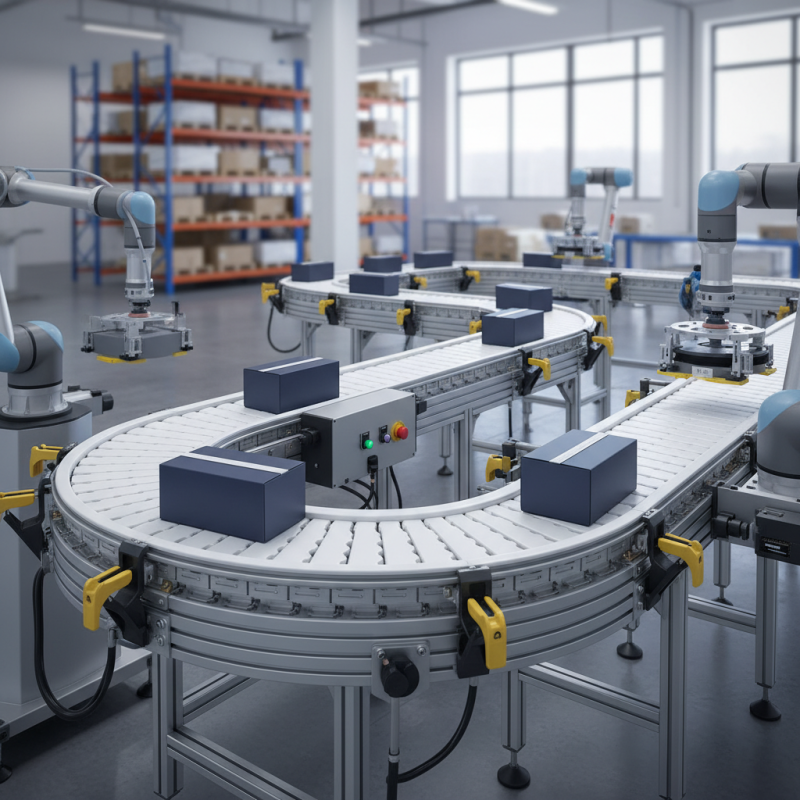
Overview of Modular Belt Conveyors and Their Applications
Modular belt conveyors have become vital in many industries. They offer flexibility and adaptability in various applications, from food processing to automotive manufacturing. Their design allows for easy customization. Businesses can adjust the conveyor to meet specific needs. This modular approach helps optimize production lines.
These conveyors excel in environments requiring frequent cleaning. Their removable components allow for thorough sanitation. In food processing, compliance with hygiene standards is crucial. Modular belt systems can accommodate frequent product changes, which makes them a practical choice. However, achieving the right configuration can be challenging. Proper assessment of needs is necessary.
Not all modular systems perform the same way. Some may struggle under heavy loads, while others excel. Regular maintenance is essential for longevity. Misalignment or debris buildup can hinder performance. Companies should invest time in training staff on proper usage and upkeep. Balancing functionality with operational demands requires ongoing evaluation.
Key Features of Modular Belt Conveyor Systems for Automation
Modular belt conveyor systems play a critical role in automation. They offer flexibility and efficiency, making them ideal for various applications. One key feature is their modular design. This allows quick adjustments and customization to fit unique production needs. The easy-to-replace belts can minimize downtime and ensure smoother operations.
Another important aspect is their adaptability to different environments. Modular belt conveyors can handle diverse products, from small packages to heavy pallets. They can navigate tight spaces and complex layouts. However, choosing the right system requires careful consideration. Not every design fits all applications, and improper selection can lead to inefficiencies.
Maintenance is another area needing attention. Regular checks can prevent unexpected failures. It's essential to assess wear and tear on components. While these systems are reliable, they still require oversight. Investing in training for operators can enhance performance. Users must weigh the advantages against potential challenges.
Top Modular Belt Conveyor Solutions in the Market Today
Modular belt conveyors are essential in automation. They provide flexibility and efficiency across various industries. These conveyors come in modules that can adapt to different layouts. This adaptability makes them popular in manufacturing and logistics.
When selecting a modular belt conveyor, consider your specific needs. Evaluate factors like the conveyor's load capacity and operational speed. The design should seamlessly fit into your existing system. Ensure that the materials used are durable and suitable for your products. It’s important to involve your team in discussions about design and functionality. Their insights can lead to a more tailored solution.
Tip: Regular maintenance is key for longevity. Inspect belts for wear and tear often. This can prevent unexpected downtime and costly repairs.
Automation can lead to errors and inefficiencies. Not every solution fits every situation. Test different configurations to find the best setup for your operations. Feedback from employees can highlight issues early on. Always be willing to revisit and adjust your systems based on real-world performance.
Advantages of Using Modular Belt Conveyors for Efficient Workflow
Modular belt conveyors are transforming workflows in various industries. They provide flexibility, allowing easy adjustments to layout and operation. These systems can be easily modified to suit different production needs, making them ideal for companies that require adaptability. The modular design supports seamless integration into existing systems, optimizing the overall workflow without major interruptions.
Efficiency is another significant advantage of modular belt conveyors. They can transport products at consistent speeds, reducing downtime and increasing productivity. The materials used in these conveyors are durable, minimizing maintenance needs. However, it’s essential to ensure that the system is well-aligned with specific operational requirements. Misalignment can lead to increased wear and tear on the belts, which ultimately affects performance.
Remember, while modular belt conveyors offer many benefits, they are not a one-size-fits-all solution. Companies must evaluate their unique needs before implementing these systems. Assessing the layout, product types, and volume of goods is crucial. Failure to adapt the conveyor system to specific requirements can lead to inefficiencies down the line. Remaining aware of the limitations and continuously reflecting on the performance can drive better decision-making.
Top Modular Belt Conveyor Solutions for Efficient Automation
| Feature | Advantage | Application | Efficiency Gain (%) |
| Flexible Design | Can be customized for various layouts | Manufacturing lines | 20% |
| Modular components | Easy to replace and maintain | Distribution centers | 15% |
| Variable speed control | Optimizes product flow | Food processing | 25% |
| Smooth operation | Reduces wear on products | Electronics assembly | 30% |
| Lightweight materials | Improves energy efficiency | Packaging industry | 18% |
Future Trends in Modular Belt Conveyor Technology for Automation
The future of modular belt conveyor technology lies in its adaptability and efficiency within automated systems. Industry reports suggest that the global market for conveyor systems will reach $7 billion by 2026, driven by advancements in automation and material handling. This trend brings a wave of new technologies focusing on flexibility and integration. Modular belt conveyors are becoming a favored choice due to their capability to easily adapt to changing layouts.
Recent studies indicate that reducing downtime and maintenance time can significantly improve productivity. Modular systems can streamline operations, as noted in a 2022 market analysis, which revealed that companies adopting modular designs experienced up to a 30% reduction in operational costs. However, not all systems are created equal. Some installations face challenges with compatibility and scaling, raising questions about reliability.
Emerging technologies are shifting the landscape further. For example, the integration of IoT within conveyor systems enables real-time monitoring and predictive maintenance, enhancing performance. Various suppliers are racing to innovate, but not all achieve consistent results. Early adopters have reported mixed outcomes; while some experienced major gains, others struggled with adaptation. This landscape encourages ongoing reflection on best practices and future implementations in automated settings.
Trends in Modular Belt Conveyor Automation Technology
