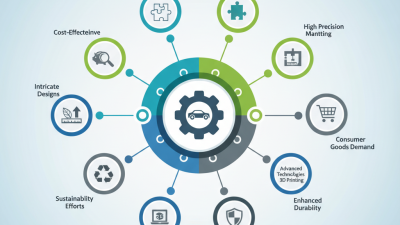
Plastic machining is a vital process in modern manufacturing. It allows businesses to create precise components from various plastic materials. This technique offers numerous benefits. Companies can produce lightweight, corrosion-resistant parts that meet specific requirements.
Investing in plastic machining can enhance efficiency. It reduces production costs and minimizes material waste. However, not every business fully understands its potential. Some may overlook the advantages of customization and rapid prototyping. This can hinder growth in competitive markets.
Embracing plastic machining requires careful consideration. Companies must evaluate their production needs and capabilities. Partnering with experienced providers can help. Ensuring quality and reliability is key. In the end, understanding plastic machining can lead to better products and increased profitability.
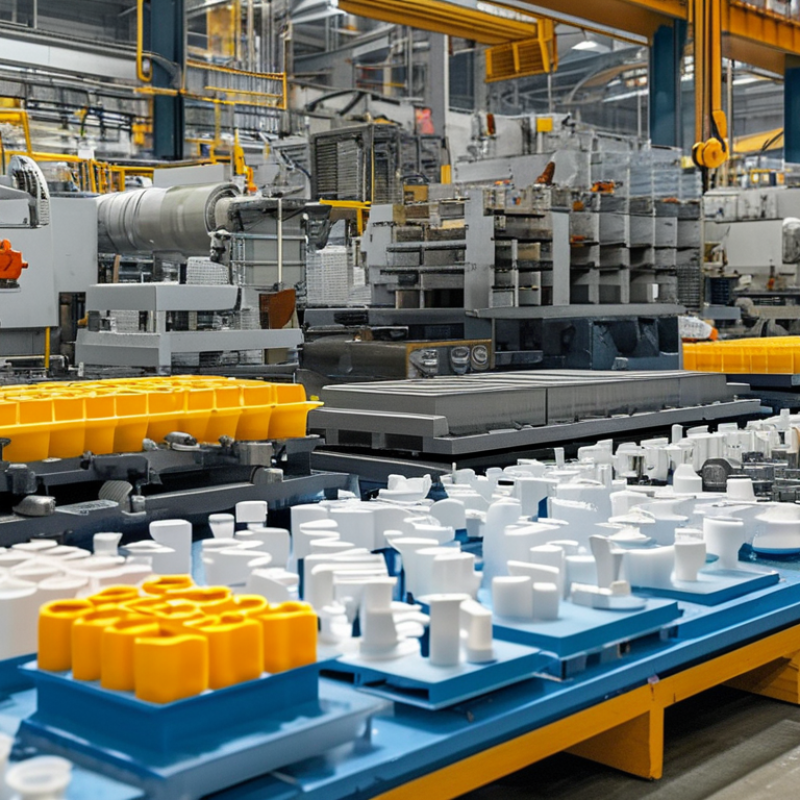
Plastic machining is a precise method used to shape and fabricate plastic materials. According to a report by the Freedonia Group, the plastic machining market is projected to grow at a CAGR of 5.3% over the next five years. This growth is driven by the increasing demand in industries such as automotive, aerospace, and medical devices. The ability to create complex parts with tight tolerances makes plastic machining an essential process.
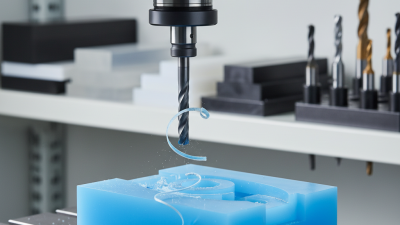
This technique employs various methods, including milling, turning, and drilling, to achieve desired shapes. Machining can produce high-quality components from materials like polycarbonate and acrylic. These plastics are known for their lightweight properties and outstanding durability. The flexibility of plastic machining allows businesses to customize designs efficiently.
However, one must consider potential challenges in adopting plastic machining. Not all plastics are suitable for all machining processes. For instance, excessive heat during machining can warp or damage certain materials. Additionally, understanding the right tools and techniques is vital to avoid unnecessary waste. These factors require careful planning and knowledge, reinforcing the need for skilled professionals in the field.
Plastic machining is a versatile process that involves shaping and finishing plastic materials. There are several techniques used in the industry, each offering unique advantages. CNC machining is one of the most common methods. It provides high precision and efficiency, suitable for producing intricate components. However, it requires skilled operators and proper programming to avoid costly errors.
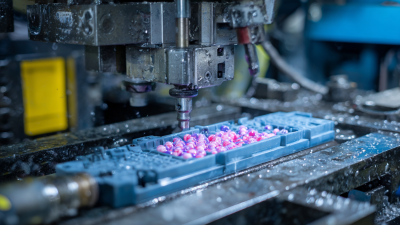
Another technique is injection molding, which is widely used for mass production. This method can create complex shapes and is cost-effective for large quantities. But, the initial setup costs can be prohibitive for smaller projects or startups. Understanding these nuances is critical for any business considering plastic machining.
Lastly, router machining is an effective technique for custom pieces. It allows for flexibility and can handle various thicknesses of plastic. Although this method can be slower, it offers unique design opportunities. Each technique has its own set of challenges, and businesses must weigh these factors to make informed decisions. The right choice can enhance production while minimizing waste.
| Machining Technique | Description | Applications | Advantages |
|---|---|---|---|
| CNC Machining | Computer Numerical Control (CNC) machining uses computerized controls to automate the movement of tools and machinery. | Precision parts fabrication, custom prototypes. | High precision, repeatability, and reduced lead times. |
| Injection Molding | A manufacturing process that involves injecting molten plastic into a mold. | Mass production of plastic products. | High efficiency, reduced waste, and versatile product designs. |
| Laser Cutting | A technique that uses a laser to cut materials with high precision. | Signs, craft projects, and intricate designs. | High precision, minimal material wastage, and no tooling required. |
| Router Machining | Uses a rotating tool to dynamically cut and shape plastic materials. | Custom shapes and designs, signage, and part prototypes. | Flexibility in design, suitable for both large and small batches. |
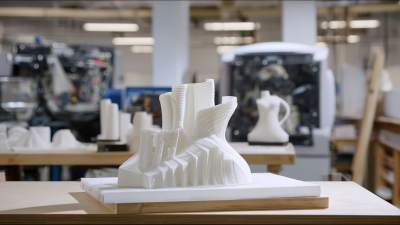
| 3D Printing | Additive manufacturing technique that creates objects layer by layer from a digital model. | Prototype models, custom parts, and limited series production. | Complex geometries, rapid prototyping, and material efficiency. |
Plastic machining is a process that involves shaping plastic materials into precise parts or products. This method offers significant benefits for manufacturing efficiency. High precision is often critical in industries like aerospace and healthcare, where exact specifications matter. Plastic machining allows for fine tolerances, reducing the need for adjustments during assembly.
Another advantage is the versatility of materials used in plastic machining. Various plastics can be employed to meet specific project requirements, including durability, lightweight properties, and resistance to chemicals. This adaptability can lead to innovative product designs, ultimately benefiting your business.
However, there can be challenges. Not every plastic type is easy to machine, and some may require specialized tools. It's essential to understand the material properties before committing to a machining process. Balancing the benefits and potential hurdles can lead to more effective manufacturing strategies. Investing time in research and development can make a difference in achieving optimal results.
The plastic machining industry is witnessing significant growth across multiple sectors. Advances in technology and the rising demand for lightweight, durable materials have played a critical role. Industries such as automotive, aerospace, and healthcare increasingly rely on precision plastic components. This trend is fueled by a push for sustainability and cost-effectiveness, making plastic machining an attractive option.
In the automotive sector, for example, manufacturers are shifting to plastic parts to reduce vehicle weight. Lighter vehicles consume less fuel and meet environmental standards more easily. Similarly, aerospace companies are exploring plastic machining for its ability to produce complex shapes at lower costs. However, challenges remain. The quality of plastic parts must be consistent to ensure safety and reliability.
Moreover, the healthcare industry benefits from plastic machining through customized solutions. Devices made from high-grade plastics can be both lightweight and biocompatible. Yet, quality control becomes imperative. Companies must invest in robust testing processes to avoid risks. As the market continues to evolve, an ongoing focus on these challenges will be essential for businesses looking to thrive in the plastic machining landscape.
Cost analysis in manufacturing often reveals significant insights when comparing plastic machining with traditional methods. A 2022 industry report indicates that plastic machining can reduce production costs by up to 30%. This shift is largely due to lower material waste and streamlined processes. Traditional methods, such as injection molding, often require significant setup time and resource investment. In contrast, plastic machining typically allows for quicker turnaround times, which can enhance overall efficiency.
The operational efficiency of plastic machining presents a compelling case for businesses. According to a survey by the Plastics Industry Association, 70% of manufacturers reported faster prototyping times using machining techniques. This advantage can lead to quicker product development cycles. However, companies must also consider the initial investment in advanced machining equipment. This setup can be daunting for smaller businesses.
Moreover, while plastic machining offers benefits, it comes with limitations. The surface finish may not always meet the high standards set by traditional methods. Businesses need to evaluate if the end product aligns with their quality expectations. Organizations should also assess their specific needs. Sometimes, the durability or specific properties of traditional techniques may still be necessary. Balancing cost, time, and quality is crucial in making an informed decision.
Copyright © 2025 · All Rights Reserved · Franchino Mold & Engineering