What is Solar Water Well and How Does it Work?
Solar Water Wells are an innovative solution for accessing groundwater sustainably. They blend traditional well systems with solar energy technology, providing a reliable water source while reducing reliance on fossil fuels. Many rural areas struggle with water scarcity, and Solar Water Wells present a feasible answer to this challenge.
These wells harness solar panels to power pumps, drawing water from underground aquifers. By utilizing renewable energy, they minimize operational costs and environmental impact. A properly installed Solar Water Well can provide consistent water supply, crucial for agriculture and communities. However, the initial setup may be costly, and not all locations have optimal sun exposure.
Despite their advantages, the technology is still maturing. Users must consider various factors, such as maintenance and local regulations. Understanding the nuances of Solar Water Wells can help maximize their benefits, paving the way for a more sustainable future.
What is a Solar Water Well?
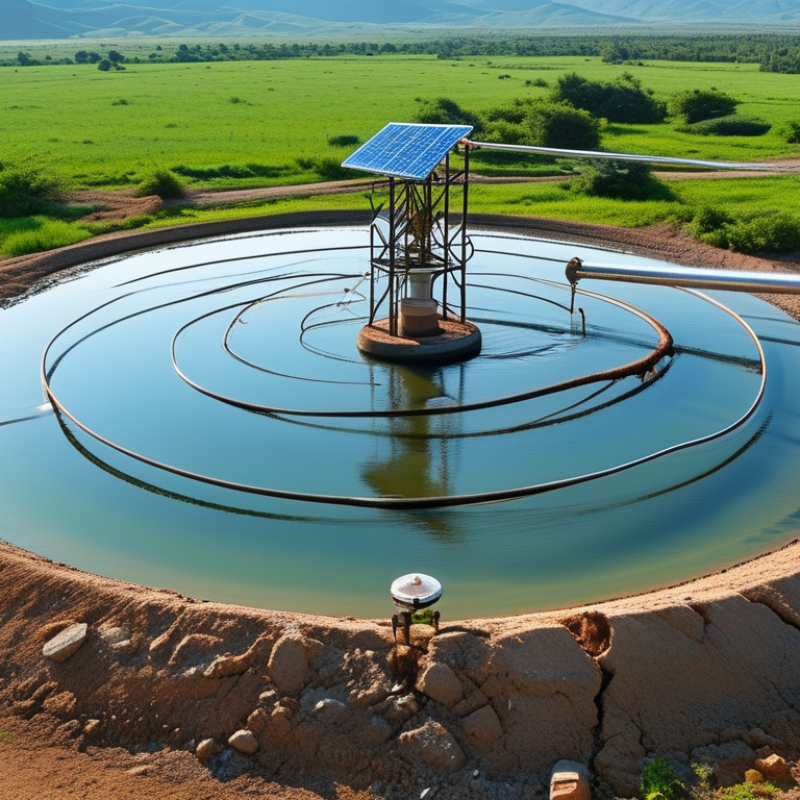
A solar water well harnesses solar energy to pump groundwater efficiently. This system typically consists of a solar panel, a pump, and a water storage tank. The solar panel converts sunlight into electricity, which powers the pump. This process can efficiently extract water from depths of up to 300 feet, depending on the system's design.
According to a report from the U.S. Department of Energy, the use of solar-powered water pumps can reduce energy costs by as much as 80% compared to traditional systems. Moreover, these systems are particularly crucial in remote areas, where electricity access is limited. Installing a solar water well can provide sustainable water supply solutions for agriculture, livestock, and drinking needs.
While solar water wells present a reliable and eco-friendly option, there are challenges. Initial setup costs can be high. Additionally, efficiency depends on sunlight availability, which varies seasonally. In regions with prolonged cloudy weather, wells might yield less water. Understanding local conditions is critical for successful implementation. Managing these factors is essential for optimizing the benefits of solar water wells.
Components of a Solar Water Well System
A solar water well system consists of several key components. These elements work in unison to harness solar energy for efficient water extraction. At the core is the solar panel, which captures sunlight and converts it into electricity. According to the National Renewable Energy Laboratory, solar power can reduce energy costs by up to 75% in remote locations. This is vital for users dependent on groundwater.
Next, there is the submersible pump, which is crucial for moving water from deep underground to the surface. Many systems use variable frequency drives (VFDs) to optimize the pump's performance, adapting to changes in solar output and water demand. This technology is essential since, as the International Water Association reports, up to 30% of groundwater resources remain untapped globally.
Additionally, a control system regulates the entire operation, ensuring efficient management of energy and water flow. Regular maintenance is important, but this often gets overlooked. Some users may not realize that neglecting the system can lead to reduced efficiency or increased operational costs. The integration of these components creates a reliable system. Users must remain aware of potential issues to maximize performance and sustainability.
Components of a Solar Water Well System
| Component | Description | Function | Typical Cost |
| Solar Panels | Photovoltaic panels that convert sunlight into electricity. | Provide power to the water pumping system. | $1,000 - $3,000 |
| Water Pump | Electric or solar-powered pump that draws water from the well. | Extract water from underground sources. | $200 - $2,000 |
| Controller | Device that manages the operation of the solar pump. | Optimizes pump performance based on solar power availability. | $100 - $500 |
| Batteries | Rechargeable batteries store excess energy generated by solar panels. | Provide backup power for the pump during low sunlight conditions. | $200 - $800 |
| Water Storage Tank | Tank for storing the pumped water for later use. | Ensures a steady supply of water when needed. | $500 - $1,500 |
How Solar Power Extracts Water from Wells
Solar water wells utilize solar energy to extract water from underground sources. This system is particularly effective in remote areas lacking traditional power supply. According to the International Renewable Energy Agency (IRENA), solar-powered water pumping can cut energy costs by up to 80%. This is crucial for communities that depend on wells for irrigation and drinking water.
Solar panels convert sunlight into electricity, powering a submersible pump. The pump draws water from deep wells, ensuring a consistent supply. During peak sunlight, these systems can pump significant volumes, often exceeding 1,000 liters per hour. However, their efficiency drops during cloudy days or at night. Thus, proper system sizing and backup options are essential for reliability.
While the technology has made strides, limitations exist. Solar water wells require significant initial investment and proper site assessment. Users must consider local climate conditions, water table depth, and seasonal variations. Monitoring and maintenance are also necessary to ensure optimal performance. As adoption grows, improved technologies and financing models can potentially address these challenges.
Benefits of Using Solar Water Wells
Solar water wells offer a sustainable solution for accessing clean water. They utilize solar panels to power pumps that draw groundwater. This method significantly reduces dependence on traditional energy sources. The installation is often simpler than conventional wells, especially in remote areas.
One major benefit of solar water wells is their low operational cost. Once installed, they require minimal maintenance. Users can collect water for irrigation or household needs without worrying about rising energy bills. Additionally, solar water wells contribute to environmental sustainability. They lower carbon footprints by using renewable energy.
Despite these advantages, challenges remain. Initial installation costs can deter some users. Also, solar efficiency varies based on location and weather conditions. Users need to assess their specific needs before investing. Understanding local water tables and solar potential is crucial for success.
Common Applications and Best Practices for Solar Water Wells
Solar water wells represent an innovative solution for accessing groundwater with the help of solar power. Common applications include agricultural irrigation, livestock watering, and domestic use in remote areas. Approximately 80% of rural water needs globally can be met through solar-powered systems. This approach reduces reliance on fossil fuels and offers a sustainable alternative.
Best practices for installing solar water wells involve strategic site assessment before setup. Factors like sunlight availability, soil type, and depth of groundwater are crucial. Studies indicate that properly installed systems can reduce water pumping costs by over 50%. Regular maintenance is essential to ensure efficiency. Neglecting this aspect can lead to significant declines in performance.
Furthermore, understanding community needs is vital. User training enhances operational efficiency and promotes sustainability. Data shows that well-traveled areas experience greater efficiency but often overlook the importance of local engagement. Engaging community members can lead to more effective usage and management practices, ensuring that solar water wells serve their intended purpose over time.
Solar Water Wells: Energy Production and Usage
