
Stainless Welding is more than joining two bright metal edges. It is a controlled process involving heat, shielding gas, filler metal, joint design, and surface cleanliness. A small fingerprint can introduce contamination. Excessive heat can discolor the weld and reduce corrosion resistance. The wrong technique may also create warping, porosity, or a brittle heat-affected zone.
John C. Lippold, a leading stainless steel welding researcher, states, “The weldability of stainless steels is generally good, but there are a number of metallurgical issues that must be considered.” That warning remains practical in workshops and fabrication plants. Stainless steel grades react differently under heat. Austenitic 304 often performs well with TIG or MIG welding. Duplex stainless steel demands tighter heat control. Thin sheet may benefit from pulsed MIG, while precision tubing often favors TIG. Laser welding can reduce distortion, but it requires careful fit-up and specialized equipment.
There is no universal best method. Not really.
The strongest choice depends on the grade, thickness, production speed, appearance, and service environment. This guide compares common Stainless Welding methods and explains where each one works best. It also examines shielding gases, filler selection, cleaning practices, and common defects. Some recommendations may seem obvious, yet experienced welders still miss them under pressure. Good results come from repeatable preparation, not confidence alone. Test coupons, inspection, and honest review can reveal weaknesses before they reach the finished structure.
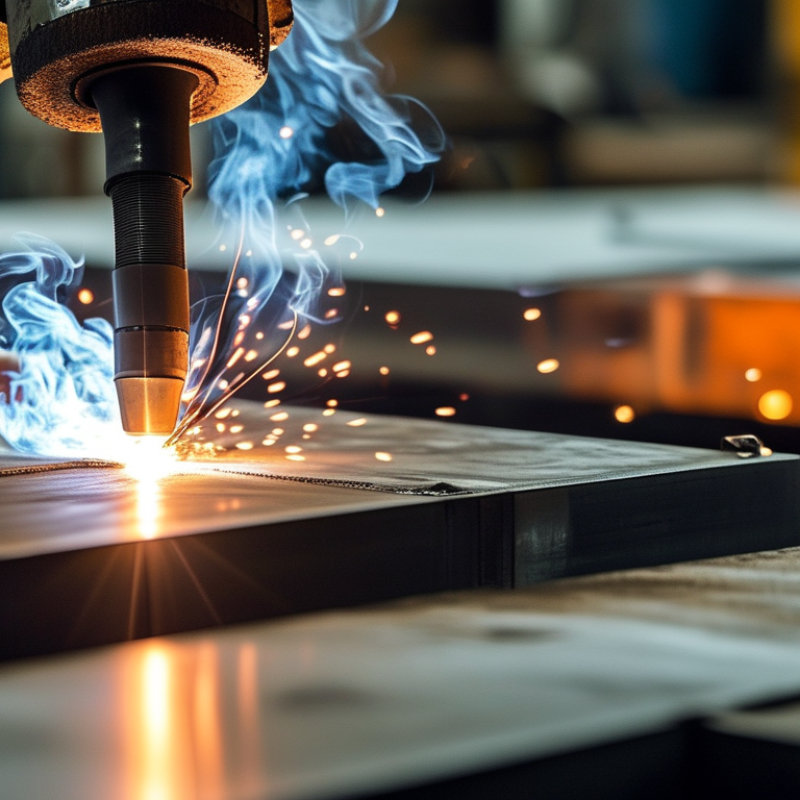
Stainless steel welding joins corrosion-resistant steel by melting a controlled area and adding compatible filler metal. Chromium forms a passive oxide layer, but heat can disturb it. ASTM A240 requires stainless steel to contain at least 10.5% chromium. That detail matters during fabrication.
The arc creates intense heat between the electrode and workpiece. Shielding gas protects the molten pool from oxygen and nitrogen. TIG welding uses a non-consumable tungsten electrode and offers precise, clean control. It suits thin sheet, visible joints, and sanitary equipment. MIG welding feeds wire continuously and usually improves production speed on thicker sections. Stick welding remains practical outdoors, especially where wind makes gas shielding unreliable.
TIG is not automatically the best choice. It is slower and demands steady hand control. I have seen attractive TIG beads fail after poor cleaning or excessive heat input. The International Stainless Steel Forum reported global stainless crude steel production of about 58.4 million tonnes in 2023, showing the material’s broad industrial use. However, production volume does not determine the welding method. Joint thickness, position, alloy grade, access, and inspection requirements decide it. AWS guidance emphasizes procedure qualification, filler selection, shielding, and welder competence. A balanced process often uses TIG for the root and MIG for filling. Heat tint must be removed when corrosion performance matters. Cleanliness is easy to underestimate. Even a small carbon-steel particle can stain the surface and weaken confidence in the finished joint.
Stainless welding joins corrosion-resistant steel while protecting its surface chemistry from heat, contamination, and distortion. The process may look similar to carbon steel welding, but stainless steel demands tighter control. Excessive heat can create heavy discoloration, warping, or reduced corrosion resistance. Clean tools matter. A carbon-steel brush can leave iron particles that later rust on the weld.
TIG welding is commonly chosen for thin sheet, food equipment, tubing, and visible joints. It offers precise arc control and clean welds, especially when argon shielding and a back-purge protect the root. MIG welding suits longer seams and higher production rates. It requires careful wire selection, gas flow, and transfer settings. Too much heat can enlarge the heat-affected zone. That mistake is easy to make.
Stick welding remains practical outdoors and on thicker stainless parts. It handles wind better than gas-shielded processes, although electrode storage and slag removal require discipline. Flux-cored welding can improve productivity on structural work, but fumes, spatter, and cleanup need attention. Laser welding is fast and precise, yet it depends on specialized equipment and accurate joint fit-up.
The best process depends on thickness, joint design, appearance, access, and production volume. TIG is not automatically the best choice. A slow, beautiful weld may still suffer from poor penetration or overheating. Testing a sample joint, checking the root, and measuring distortion can reveal problems before production begins.
| Welding Process | How It Works | Typical Stainless Applications | Main Advantages | Main Limitations | Best Choice When |
|---|---|---|---|---|---|
| Gas Tungsten Arc Welding (GTAW/TIG) | Uses a non-consumable tungsten electrode and an inert shielding gas, usually argon. Filler metal may be added separately. | Thin sheet, sanitary tubing, pressure components, laboratory equipment, and visible precision joints. | Excellent control, clean welds, precise heat input, and high-quality appearance. | Slower deposition rate; requires good operator skill and careful surface cleaning. | Best for maximum weld quality, appearance, and control, especially on thin stainless steel. |
| Gas Metal Arc Welding (GMAW/MIG) | Feeds a continuous consumable wire electrode through a welding gun while shielding the arc with an inert or mixed gas. | General fabrication, tanks, frames, machinery, automotive components, and medium-to-thick sections. | Faster than TIG, suitable for production work, and provides a high deposition rate. | More spatter and less precise heat control than TIG; shielding gas selection is important. | Best for efficient production welding and longer stainless steel joints. |
| Shielded Metal Arc Welding (SMAW/Stick) | Uses flux-coated consumable electrodes. The flux produces shielding gas and slag as the electrode melts. | Field repairs, construction, maintenance, outdoor work, and heavy stainless components. | Portable equipment, no external shielding gas, and good performance in outdoor conditions. | Slower process, requires slag removal, and generally produces a less refined finish. | Best for outdoor or remote repairs where portability is more important than appearance. |
| Flux-Cored Arc Welding (FCAW) | Uses a tubular wire filled with flux. It may use external shielding gas or operate with self-shielded wire. | Heavy fabrication, structural work, thick stainless sections, and high-volume welding. | High deposition rate, good penetration, and strong productivity on thicker material. | Creates slag and fumes; stainless-specific consumables and controlled technique are necessary. | Best for high-productivity welding of thicker stainless steel. |
| Resistance Spot Welding | Clamps overlapping sheets between electrodes and passes electric current through the joint to create localized heat. | Sheet-metal assemblies, enclosures, appliances, ducts, and high-volume repetitive production. | Very fast, repeatable, and does not require filler metal or shielding gas. | Limited to accessible lap joints and suitable sheet thicknesses; joint design is restricted. | Best for rapid joining of overlapping stainless steel sheets in production lines. |
| Laser Beam Welding | Uses a focused laser beam to create a narrow, concentrated fusion zone, usually with shielding gas. | Precision components, medical equipment, electronics housings, and automated production. | High welding speed, narrow heat-affected zone, low distortion, and clean appearance. | High equipment cost and tight requirements for joint fit-up, alignment, and process control. | Best for automated, high-precision work where low distortion is critical. |
| Plasma Arc Welding (PAW) | Uses a constricted plasma arc to produce a concentrated heat source. It can be used with or without filler metal. | Precision fabrication, tubing, thin-to-medium sections, and mechanized welding. | Stable arc, concentrated heat, and deeper penetration than conventional TIG under suitable conditions. | More complex equipment and setup than TIG; generally less common for basic fabrication. | Best for controlled, mechanized welding requiring a concentrated arc and consistent penetration. |
| Project Requirement | Recommended Process | Reason |
|---|---|---|
| Best appearance and precise control | TIG | Provides accurate control of the arc, filler, and heat input. |
| Fast production welding | MIG | Continuous wire feeding improves deposition rate and productivity. |
| Outdoor maintenance or field repair | Stick | Does not depend on an external shielding-gas cylinder and is highly portable. |
| Overlapping thin sheets | Resistance Spot Welding | Creates rapid localized welds without filler metal. |
| Low distortion and automated precision | Laser or Plasma Welding | Both processes concentrate heat and can support mechanized production. |
| Thick stainless steel and high deposition | MIG or Flux-Cored Welding | Higher deposition rates reduce welding time on thicker sections. |
The best stainless welding process depends on material grade, thickness, joint design, required appearance, production volume, access, and corrosion-performance requirements. Proper cleaning, shielding, heat control, and post-weld treatment are essential for maintaining stainless steel performance.
Stainless welding joins corrosion-resistant steel without damaging its protective surface.
Choosing the best method depends on thickness, joint design, appearance, production speed, and contamination control.
TIG welding suits thin sheet, visible seams, and precise heat control. It produces clean welds, but it is slower and demands steady hand movement. For small fittings, that control matters.
MIG welding works well on medium or thicker stainless sections. It deposits metal faster and reduces operator fatigue during repeated work.
However, excessive heat can cause distortion or dark oxide around the bead. A short arc, suitable shielding gas, and clean stainless-only tools help prevent these problems. Stick welding can handle outdoor repairs and heavier sections, but its slag removal and finish are less convenient.
Laser welding may suit high-volume production with tight tolerances. It needs accurate fit-up and careful parameter testing. The choice also changes with the stainless grade. Austenitic grades such as 304 and 316 often require heat control and, in some joints, back purging with argon. Purging protects the inner root from oxidation. Check the weld from both sides.
I once focused too much on bead appearance. That was a mistake. A bright surface does not prove a sound joint.
Inspect penetration, discoloration, porosity, and distortion. Use separate brushes and abrasives for stainless steel. Even a tiny carbon-steel particle can create a rust spot later. For critical work, confirm settings with a test coupon and follow the applicable welding procedure.
Stainless steel welding needs controlled heat, clean surfaces, and suitable shielding gas. The International Stainless Steel Forum reported 58.4 million tonnes of stainless crude steel production in 2023. That volume reflects its wide industrial use, from food equipment to chemical piping. It also shows why correct welding practice matters.
For thin sheet, a TIG power source, torch, high-frequency start, argon regulator, and gas lens provide precise control. Use a sharp tungsten electrode and keep the arc short. A purge line with an argon flowmeter protects the inner weld from oxidation. The weld side should look bright, not sugary or black. MIG equipment is faster for thicker sections, but it needs stable wire feeding and careful voltage settings. Choose ER308L filler for many 304 joints and ER316L for 316 applications. Confirm the base metal first.
Preparation is simple but strict. Use dedicated stainless brushes, lint-free cloths, acetone, gloves, and local fume extraction. Never clean stainless with carbon-steel tools. AWS D1.6/D1.6M provides guidance for structural stainless welding, while site procedures should address ventilation and exposure controls. In practice, I still see operators increase amperage when discoloration appears. That often worsens distortion. Slower travel, better gas coverage, or a smaller heat input may work better. The setup is not perfect. Test coupons should be inspected before production.
Stainless welding joins corrosion-resistant steel, but safety and quality depend on more than a bright weld bead. The best method depends on thickness, joint design, access, and production speed. TIG produces precise, clean welds for thin sheet and visible joints. MIG can be faster on thicker sections, but it demands careful gas and wire control.
Safety starts with ventilation and suitable protective equipment. Stainless fumes may contain hazardous chromium and nickel compounds, especially when heat is high. Use local exhaust ventilation, a suitable respirator when required, gloves, eye protection, and flame-resistant clothing. Remove oils and solvents before welding. Keep hot metal away from combustible materials. Never treat a clean workshop as automatically safe.
Cleanliness strongly affects weld quality. Oil, fingerprints, paint, and carbon-steel dust can create porosity or reduce corrosion resistance. Use dedicated stainless-steel brushes and tools. Control heat input to limit distortion and discoloration. Excessive heat may damage the steel’s corrosion performance. Too little heat can cause incomplete fusion. Shielding gas coverage must remain stable, and internal purging may be needed for pipe joints.
A qualified welder should follow a tested procedure and inspect each joint under suitable lighting. Look for cracks, pinholes, undercut, and uneven penetration. Dye penetrant testing can reveal surface defects that visual checks miss. Even experienced welders make assumptions. I have seen attractive welds fail after contamination was overlooked. That mistake deserves attention. Record material grades, settings, gas flow, cleaning steps, and inspection results for reliable future work.
Copyright © 2025 · All Rights Reserved · Franchino Mold & Engineering