Top Tips for Choosing Flat Face Quick Couplers for Your Needs?
When selecting Flat Face Quick Couplers, there are several factors to consider. These components are essential for a secure, leak-free connection in various hydraulic applications. Their design minimizes spillage and air inclusion, making them reliable in demanding environments.
Many users overlook compatibility. Not all couplers fit every machine. Before purchasing, it’s vital to verify dimensions and pressure ratings. Many brands exist, and each may have different specifications. Users often face dilemmas when choosing between price and quality. Cheaper options may save money upfront, but they could compromise performance and safety over time.
Ultimately, selecting the right Flat Face Quick Couplers requires thoughtful consideration. Weigh your needs and expectations against potential pitfalls. Prioritize quality for long-term reliability. It's a decision that can significantly impact your operations. Reflection on past experiences can guide better choices today.
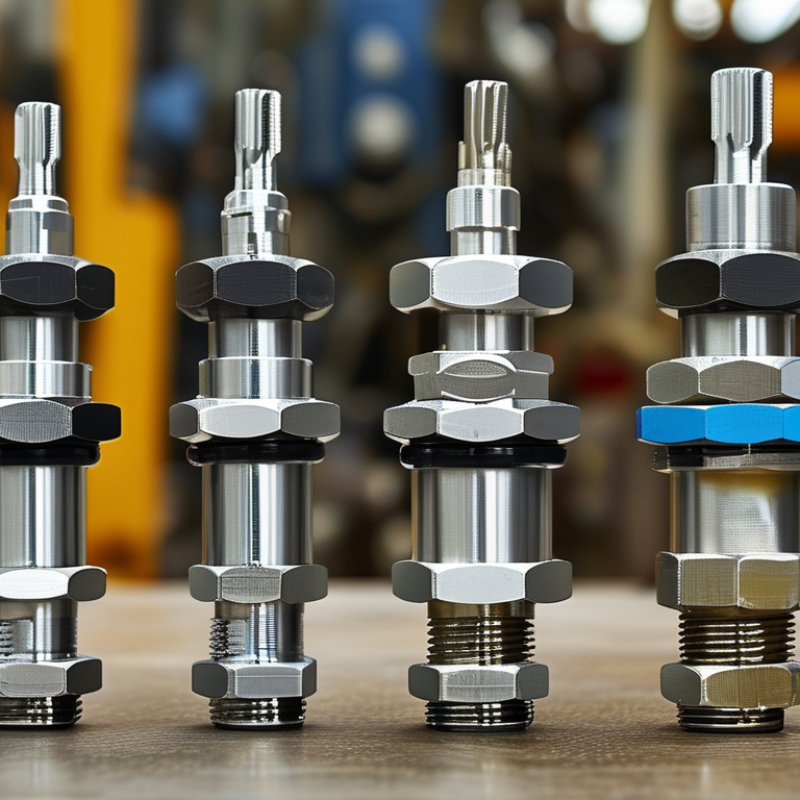
Understanding Flat Face Quick Couplers and Their Applications
Flat face quick couplers are essential in various industrial applications. They provide a secure connection between hydraulic components. Their flat surface design minimizes fluid loss and allows for cleaner connections. This can make a significant difference in high-pressure environments.
When selecting a coupler, consider the specific application. Different tasks may require varying pressure ratings. The material of the coupler is also crucial. Steel and aluminum are popular choices, each offering unique benefits. Steel is often more durable, while aluminum is lighter and easier to handle. Always ensure the coupler fits the equipment you are using.
Maintenance is another aspect to think about. Regular checks are necessary to ensure proper function. Inspect for any signs of wear or leaks. Sometimes, even minor imperfections in the coupler can lead to major operational issues. Pay attention to how easily the coupler connects and disconnects. A reliable coupler enhances overall efficiency and safety in your operations.
Top Tips for Choosing Flat Face Quick Couplers for Your Needs
| Feature | Description | Application | Material | Pressure Rating |
| Size | Choosing the right size is crucial for compatibility. | Hydraulic machinery | Steel | up to 5000 PSI |
| Sealing Design | Flat face design minimizes leakage and contamination. | Pneumatic systems | Aluminum | up to 3000 PSI |
| Connection Type | Quick connection for improved efficiency. | Construction equipment | Composite | up to 2500 PSI |
| Temperature Range | Operating range affects material selection. | Agricultural machinery | Stainless steel | up to 6000 PSI |
Key Factors to Consider When Selecting Quick Couplers
When selecting flat face quick couplers, several factors play a crucial role. The materials used in the couplers directly impact their durability and performance. For instance, stainless steel is often favored for its corrosion resistance. This is especially important in environments exposed to moisture or harsh chemicals. You might notice that some cheaper options fail quickly in high-stress applications.
Another vital aspect is the coupler’s size and compatibility with your existing equipment. Always check the specifications to ensure a perfect fit. Mismatched sizes can lead to leaks or mechanical failures. Users frequently overlook the pressure rating. It's essential to choose couplers that can handle your system's operating pressure.
Don't forget about the sealing mechanism. Some couplers provide a better seal than others. A reliable seal minimizes the risk of fluid leaks. This is often a worry in high-pressure or critical applications. Carefully examining these details can prevent future headaches. Also, consider the ease of connection and disconnection. This impacts your workflow efficiency significantly.
Top Tips for Choosing Flat Face Quick Couplers
When selecting flat face quick couplers, it's essential to consider various factors that impact performance and compatibility. The following chart illustrates the importance of these factors based on user feedback and industry standards.
Material Selection for Durability and Performance in Quick Couplers
When selecting flat face quick couplers, material choice is crucial. The right materials enhance durability and ensure optimal performance. Steel alloys, for instance, are often favored for their strength and resistance to wear and tear. However, they might not be the best choice in corrosive environments. In such cases, stainless steel or specialized coatings are better options.
Another aspect to consider is the temperature and pressure ratings of the chosen material. High-performance applications typically require couplers that can withstand extreme conditions. Remember to evaluate the potential for galvanic corrosion between different materials. This can compromise the coupler's integrity and reduce its lifespan. Using compatible materials helps mitigate this risk.
It's essential to weigh the benefits against potential drawbacks. Sometimes, a more expensive material offers greater longevity, saving costs in the long run. Regular maintenance can extend the life of any coupler but selecting the right material initially is paramount. Prioritize reliable sources for material specifications to ensure you make informed decisions.
Compatibility with Equipment: Ensuring Optimal Functionality
When selecting flat face quick couplers, equipment compatibility plays a crucial role. It's essential to ensure that the couplers match your specific machinery. Mismatched components can lead to leaks or malfunctions. Check the technical specifications of both the couplers and your equipment before purchasing. This will help prevent costly errors and improve operational efficiency.
Compatibility goes beyond just size. Consider the material as well. Different environments might require couplers made from specific materials to withstand harsh conditions. An incompatible material can degrade quickly, leading to failures. Ensure that the couplers can handle the working pressure and temperature of your equipment. Research and consult with experts if needed.
While focusing on compatibility, don't overlook maintenance requirements. Some couplers might need more frequent inspections than others. Regular checks are vital to maintain optimal performance. Ignoring this can lead to diminished functionality over time. It's worth spending time on research to find a reliable solution that meets your needs perfectly.
Maintenance Tips for Enhancing the Lifespan of Quick Couplers
Maintaining flat face quick couplers is essential for extending their lifespan. These couplers play a vital role in various industries, from construction to manufacturing. Regular maintenance can prevent costly downtime and ensure reliable performance. According to industry reports, proper maintenance can increase the lifespan of quick couplers by up to 30%.
One effective maintenance tip is to clean the couplers regularly. Dirt and debris can cause wear and tear, leading to potential leaks. A simple wash with soap and water can make a significant difference. After cleaning, inspect the seals for cracks or damage. If seals appear worn, replace them promptly.
Another crucial aspect is lubrication. Proper lubrication reduces friction and wear. Use the recommended lubricant type for your couplers. Too much grease can attract debris, while too little can lead to corrosion. Striking a balance is key.
Remember to store couplers in a dry, clean environment. Exposure to harsh elements can deteriorate their materials. Prioritize regular inspections to catch issues early. This strategy ensures safety and keeps projects on track. Understanding these basic maintenance tips empowers teams to maximize the efficiency and longevity of their tools.
