Top 5 Tips for Using a Tandem Cold Rolling Mill Efficiently?
Efficient operation of a tandem cold rolling mill can greatly enhance productivity. Understanding the intricacies of this process is crucial for manufacturers. A tandem cold rolling mill is designed to reduce the thickness of metal sheets. Optimizing its usage can lead to better quality products and lower production costs.
Many factors impact the efficiency of a tandem cold rolling mill. From alignment to temperature control, each aspect matters. Operators often overlook minor issues. Even small adjustments can result in significant improvements. For instance, maintaining optimal roller pressure can enhance yield quality.
Regular maintenance is another key factor. Neglecting equipment can lead to downtime and costly repairs. Proper training for operators is essential as well. They should be aware of the nuances of the mill’s operation. Implementing these tips could reduce waste and improve overall efficiency. Achieving perfection is challenging, but continuous reflection can lead to substantial progress.
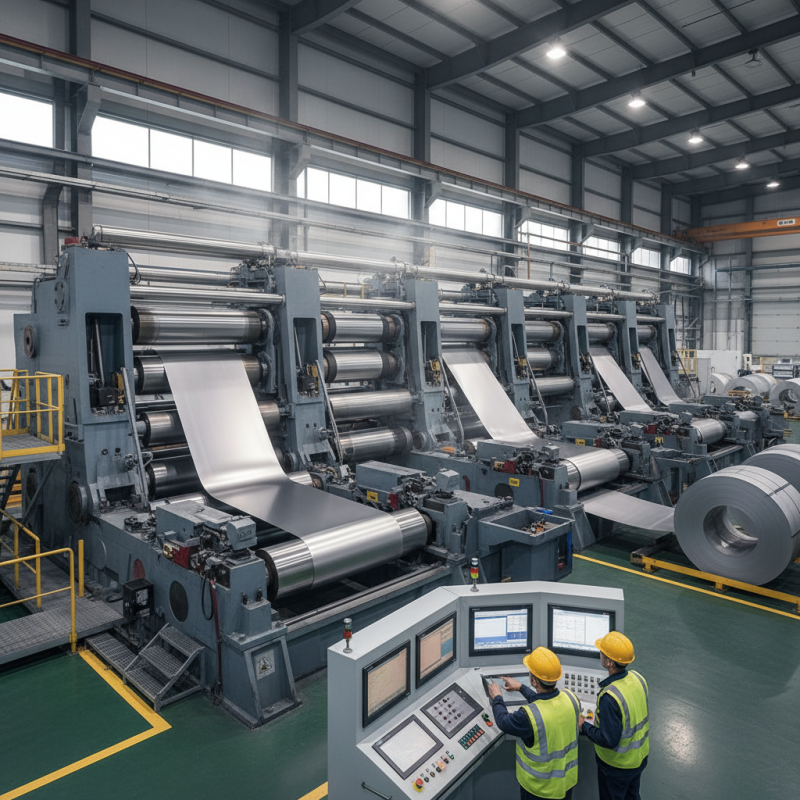
Understanding the Basics of Tandem Cold Rolling Mills
Tandem cold rolling mills are essential in the metal processing industry. These machines flatten metal strips through multiple rolls. Understanding their operation is crucial for improving efficiency. Each pass reduces the thickness, while cooling helps maintain quality. This allows for better control over the final product.
The setup of a tandem mill can be complex. Operators must ensure alignment and tension are correct. Misalignment can lead to defects, causing costly rework. Regular checks should be part of the routine. Maintenance schedules are vital but often overlooked. Simple wear can create problems that could have been easily avoided.
Operators often face challenges. Achieving the desired thickness can be tricky. Sometimes, small adjustments make a big difference. Operators should be attentive to every aspect of the process. Scrap rates can reveal underlying issues. Keeping track of these can help identify patterns needing attention. Efficient use of resources is key to success.
Key Factors Influencing Efficiency in Cold Rolling Processes
In cold rolling processes, several factors can significantly influence efficiency. Temperature control is crucial. Maintaining optimal temperatures ensures better deformation of materials. If the temperature is too low, it can lead to increased energy consumption and wear on equipment. Conversely, excessive heat can degrade product quality. Operators must regularly check and adjust the temperatures in the rolling mill.
Another key factor is roll gap settings. An inappropriate roll gap can lead to uneven thickness. This inconsistency may result in wasted materials and longer processing times. Monitoring roll gaps closely helps maintain uniformity. Operators might find themselves adjusting gaps frequently based on product variations.
One tip for improving efficiency is to conduct regular maintenance on the mill. Wear and tear can lead to breakdowns and unexpected downtimes. Scheduling maintenance can prevent these issues. Also, training employees on the best practices can greatly enhance overall productivity. Engaging teams in efficiency discussions might spark new ideas. Yet, it’s essential to remember that there is always room for improvement. Assessing these areas consistently will help achieve better results.
Top 5 Tips for Using a Tandem Cold Rolling Mill Efficiently
Optimal Setup and Maintenance Practices for Tandem Mills
Proper setup and maintenance of tandem cold rolling mills are crucial for maximizing efficiency. The best-performing mills typically achieve yield rates of over 90%. This highlights the importance of an optimal configuration. Ensure that the rollers are aligned correctly. Misalignment can lead to inconsistencies in the thickness variation, impacting overall product quality.
Regular maintenance schedules are essential. Industry reports indicate that mills with proactive maintenance reduce unexpected downtime by up to 30%. Check bearings, hydraulic systems, and lubrication regularly. Neglect can exacerbate wear and tear, leading to costly repairs. Remember, even small adjustments can greatly enhance performance and longevity.
Training operators is equally essential. Well-trained staff can quickly identify issues. Research shows that skilled operators can improve throughput by up to 15%. They can spot misalignment or wear before they escalate into bigger problems. Continuous feedback and improvement are vital. Reflect on daily operations and adapt accordingly to maintain an efficient tandem mill environment.
Effective Monitoring and Control Techniques during Operation
Effective monitoring and control techniques during the operation of a tandem cold rolling mill are crucial for maximizing efficiency. Implementing real-time data analysis tools allows operators to track the performance of each stand. However, some mills still rely on outdated practices. This leads to missed opportunities in optimizing the rolling process. Regular software updates can enhance monitoring capabilities, allowing better decision-making.
Another crucial aspect is the use of automated feedback systems. These systems can adjust parameters automatically based on live performance data. Yet, not all operators understand how to leverage these tools effectively. Training staff on data interpretation can minimize errors. In some instances, there may still be reliance on manual interventions, which can slow down the process.
Additionally, maintaining a visual monitoring system can significantly aid in efficiency. Operators should be trained to observe and analyze visual cues from the material being processed. Some visual indicators can signal potential issues before they escalate. While this method may seem basic, it often gets overlooked in favor of more advanced technology. Balancing high-tech solutions with fundamental monitoring techniques is essential for achieving optimal results.
Implementing Process Optimization Strategies for Higher Output
Efficiency in a tandem cold rolling mill hinges on effective process optimization. One way to enhance output is by ensuring proper alignment of the rollers. Misaligned rollers can create defects in the product. Regularly check and adjust alignments to reduce scrap rates.
Implementing real-time monitoring systems can also significantly improve performance. These systems provide immediate feedback on various parameters. By analyzing data swiftly, operators can make necessary tweaks. It’s a more adaptive approach that prevents downtime.
Operator training is crucial, too. Skilled workers can identify issues faster. However, ongoing training is often overlooked. Regular workshops can keep the team updated with best practices. Encouraging feedback from operators can reveal insights into inefficiencies. Reflect on training methods used and adapt based on effectiveness.
Remember, even small adjustments can lead to substantial gains. Emphasize a culture of continuous improvement. Each enhancement adds up to a more efficient production process.
Top 5 Tips for Using a Tandem Cold Rolling Mill Efficiently
| Tip | Description | Expected Outcome | Frequency of Implementation |
| Optimize Roll Gap | Regularly adjust the roll gap based on material thickness and type to ensure uniform thickness. | Improved product quality and consistency. | Daily |
| Monitor Temperature | Maintain optimal temperature throughout the rolling process to enhance metal ductility. | Reduction in cracking and improved flow characteristics. | Hourly |
| Regular Maintenance | Perform routine checks and maintenance on machinery to prevent breakdowns. | Higher uptime and prolonged equipment life. | Weekly |
| Optimize Rolling Speed | Adjust the speed of the rolling mill according to product specifications and material behavior. | Increased production rates without sacrificing quality. | Per shift |
| Employee Training | Regularly train staff on equipment operation and safety protocols. | Reduced accidents and improved operational efficiency. | Monthly |
