
Alloy Steel Parts support equipment that must carry loads, resist wear, or perform under changing temperatures. They appear in vehicle drivetrains, industrial machinery, construction equipment, and energy systems. The name covers many products, not one standard component. A forged shaft and a precision-machined gear may both use alloy steel, yet face very different demands.
The most common types include shafts, gears, fasteners, bearings, flanges, valves, and structural components. Each serves a distinct purpose. Shafts transmit torque; gears control motion; bolts and studs hold assemblies together. Bearings and valve parts may require carefully controlled surfaces and dimensions. Small differences matter.
Choosing a part starts with its working conditions. Engineers consider load, impact, temperature, corrosion exposure, required hardness, and manufacturing method. The steel grade alone does not tell the whole story. Heat treatment, machining quality, and inspection also affect performance. A tough grade can still disappoint if processing is inconsistent.
This guide examines the leading categories of Alloy Steel Parts and explains where each is commonly used. It also highlights practical selection factors, including strength, wear resistance, cost, and maintenance needs. Those trade-offs are not always tidy. A part optimized for hardness, for example, may need closer attention to toughness and cracking risk. Real specifications should be checked against the application, not guessed from a product label.
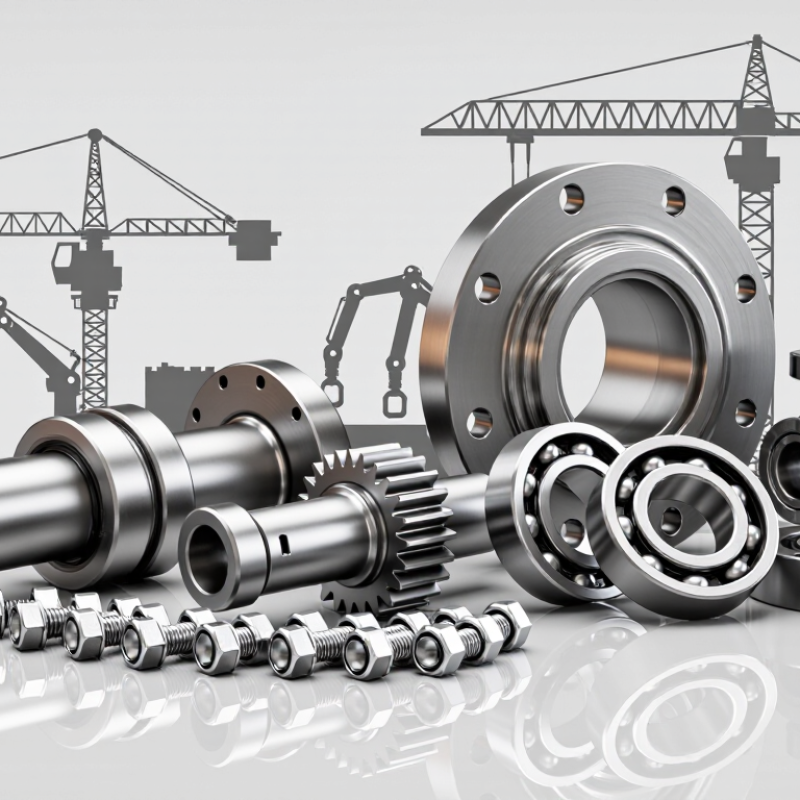
Alloy steel parts are commonly classified as low-, medium-, or high-alloy according to their combined alloying content. Exact thresholds vary between standards, so the material specification matters more than the label alone. Chromium, molybdenum, nickel, manganese, and vanadium can influence strength, hardenability, toughness, or resistance to heat and wear. Carbon content and heat treatment matter too. Small chemistry changes count. In a workshop, differences may show up as tool wear or a hardened surface, not just numbers on a test report.
Form provides another practical classification. Bars and rods are often machined into shafts, pins, and fasteners; plates and sheets become brackets, covers, or structural sections. Tubes suit pressure or fluid systems, while forgings are common for parts exposed to repeated loads, such as gears and connecting components. Cast shapes can reduce machining, but their properties depend on alloy, cooling, and inspection. Form alone does not guarantee performance. A part’s dimensions, service loads, and heat treatment should be checked together, since these categories can overlap and sometimes hide important differences.
What Are the Top Types of Alloy Steel Parts?
What Are the Main Types of Alloy Steel Parts?
Alloy steel parts are often grouped by their function and working conditions. Shafts and axles transmit motion and carry loads in machinery and vehicles. Gears need strong teeth that resist wear and repeated contact. Fasteners, including bolts and studs, help hold assemblies together under vibration or tension. Some are small. Their failure can still stop a large machine.
Other common types include bearings, pins, hydraulic components, and pressure-bearing parts. Alloy steel grades and heat treatments vary, so the right choice depends on load, temperature, wear, and the surrounding environment. For example, a hardened gear tooth may resist abrasion, while its core needs enough toughness to absorb impact. Fit matters. A part that is too hard may become brittle, while one that is too soft may wear quickly. These categories can overlap; a shaft may also include bearing seats or splines. That makes part names less useful than checking the drawing, material specification, and service conditions.
| Part Type | Common Alloy Steel Grades | Typical Alloying Elements | Common Treatments | Key Properties and Uses |
|---|---|---|---|---|
| Gears | 8620, 4320, 4140 | Chromium, molybdenum, nickel; proportions vary by grade | Carburizing and quenching are common for case-hardened gears; 4140 may be quenched and tempered | Designed to combine wear-resistant surfaces with a tougher core. Used in transmissions, gearboxes, and industrial drives. |
| Shafts and axles | 4140, 4340 | Chromium and molybdenum; 4340 also contains nickel | Often quenched and tempered; machining may follow heat treatment | Useful where strength and fatigue resistance are important. Common in machinery, vehicle drivetrains, and power-transmission equipment. |
| Bearings and bearing components | 52100 | High carbon and chromium | Hardening and tempering, followed by precision grinding where required | Can achieve high hardness and wear resistance. Used for rolling-element bearings, races, and similar components; suitability depends on design and operating conditions. |
| High-strength bolts and studs | 4140, 4340 | Chromium and molybdenum; nickel is also present in 4340 | Typically quenched and tempered to meet specified strength and toughness requirements | Used for demanding bolted joints in machinery, vehicles, and structural equipment. The final properties depend on the grade, dimensions, and heat-treatment specification. |
| Pins and bushings | 4140, 8620 | Chromium and molybdenum; 8620 also includes nickel | Through hardening or case hardening, depending on the required surface and core properties | Used in pivots, linkages, and moving joints. Surface hardness can help resist wear, while the core is selected to withstand loads. |
| Crankshafts and connecting components | 4140, 4340 | Chromium and molybdenum; 4340 also contains nickel | Quenching and tempering, with machining and possible surface hardening as specified | Selected for strength and resistance to repeated loading in engines and heavy machinery. Grade choice depends on load, size, and service conditions. |
| Tooling and dies | H13, 4140 | H13 contains chromium, molybdenum, and vanadium; 4140 contains chromium and molybdenum | H13 is commonly hardened and tempered; treatment depends on the tooling application | H13 is a hot-work tool steel used for applications such as die-casting dies and hot-forming tools. 4140 is used for some general-purpose tooling and fixtures. |
What Are the Top Types of Alloy Steel Parts?
How Do Alloying Elements Affect Their Properties?
Alloying elements help determine how steel parts respond to load, wear, heat, and corrosion. Chromium can improve hardenability and corrosion resistance, though its effect depends on the steel’s composition and treatment. Nickel often supports toughness, especially where parts face impact or low temperatures. Molybdenum can improve strength at elevated temperatures and help reduce tempering-related softening. Small changes matter.
Manganese contributes to strength and hardenability, while vanadium can refine grain structure and support wear resistance. These benefits are not automatic. A gear with high surface hardness may resist wear, but a brittle tooth can still fail under shock. Heat treatment, part size, and cooling rate shape the final result alongside the alloy recipe. A shaft and a thin spring may need different balances of strength and flexibility, even when both use alloy steel. I have found it useful to treat an alloy designation as a starting point, not a performance guarantee; actual service conditions deserve careful review.
Alloy steel parts are selected for the loads, wear, and temperatures they must handle. In vehicles, nickel-chromium-molybdenum steel is often used for transmission gears, axles, and drive shafts. These parts face repeated torque and impact. A gear tooth may look small, but its surface hardness and core toughness both matter.
Construction and mining equipment commonly use alloy steel pins, bushings, and hydraulic cylinder rods. They work through dust, vibration, and changing loads. Loads are severe. Heat-treated chromium-molybdenum steel can also suit heavy-duty shafts and connecting components. Still, a harder part is not automatically better; excessive hardness can increase brittleness or complicate repair.
In industrial plants, alloy steel fasteners, valve stems, and pressure-bearing components are used where strength and heat resistance are important. Turbine shafts and high-load pump parts may also use carefully specified alloy grades. The exact choice depends on temperature, corrosion exposure, stress cycles, and manufacturing method. The label alone is not enough. Designers should confirm the grade, heat treatment, and inspection requirements for the actual service conditions; a part that performs well in a workshop may behave differently after years of vibration.
Examples of where different alloy steel parts are commonly used. A value of 1 indicates a common application; 0 means it is not shown here, not that the part is never used there.
This chart maps common applications; it does not represent market share, production volume, or material specifications.
Common types include shafts, axles, gears, fasteners, bearings, pins, hydraulic components, and pressure-bearing parts. Some parts serve more than one function.
Vehicles often use them in transmissions, axles, and drive systems. These components handle repeated torque and impact. Small teeth matter.
Its teeth need wear-resistant surfaces, while the core needs enough toughness to absorb impact. Hardness alone is not the whole story.
Pins, bushings, and hydraulic cylinder rods are common. They face dust, vibration, and changing loads. Tough conditions.
Industrial plants use them where strength or heat resistance is important. Examples include fasteners, valve stems, and pressure-bearing components.
Consider load, temperature, wear, corrosion exposure, stress cycles, and manufacturing method. The exact service conditions matter.
No. Excessive hardness can increase brittleness or make repairs more difficult. A softer part may wear quickly, too.
Part names can overlap, and labels alone do not confirm suitability. Check the grade, heat treatment, and inspection requirements. Fit matters.
Copyright © 2025 · All Rights Reserved · Franchino Mold & Engineering