Top 10 Welding Protection Gear to Keep You Safe
Welding is a vital skill in various industries, from construction to automotive manufacturing. However, it poses significant risks, with the American Welding Society reporting that over 1,500 injuries occur annually due to inadequate protection. Proper Welding Protection is not just recommended; it is essential. The right gear can prevent severe injuries and long-term health issues.
Many welders overlook the importance of suitable protective equipment. A basic understanding of welding hazards is crucial. Researchers indicate that most accidents result from factors like lack of gear or improper use. Helmets, gloves, and protective clothing should be tailored to individual needs. Investing in quality gear reduces accident rates by up to 40%.
Selecting the top Welding Protection gear is not straightforward. Each job presents unique challenges. Often, welders ignore maintenance, leading to gear failure at critical moments. The goal is clear: prioritize safety and make informed choices about personal protective equipment.
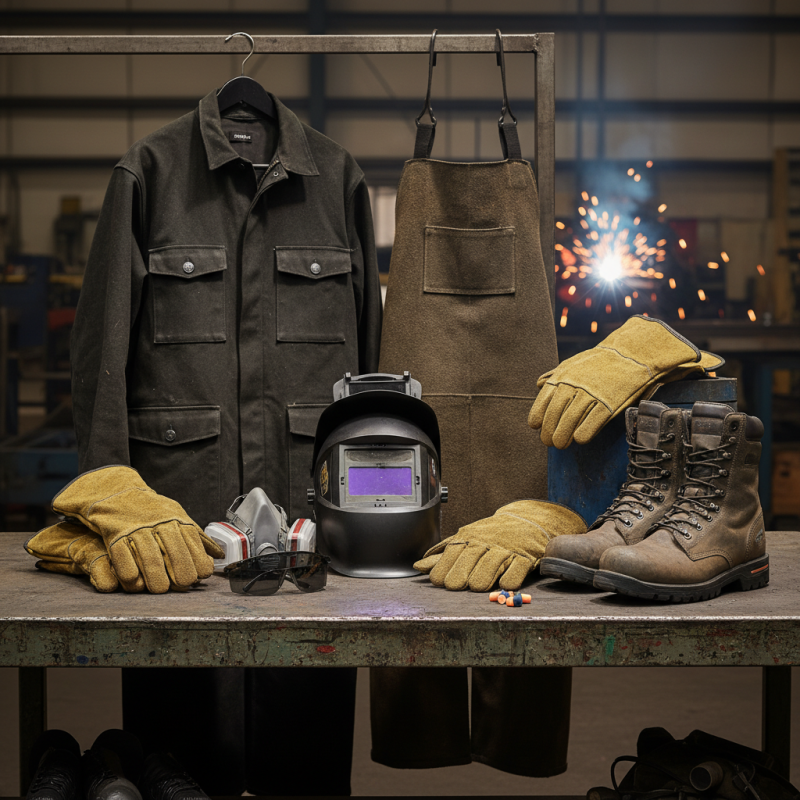
Essential Head Protection for Welders: Choosing the Right Helmet
Choosing the right helmet for welding is crucial. A good helmet protects from harmful sparks and UV radiation. It should fit snugly and comfortably. Many helmets have adjustable features. This ensures they stay in place while you work. A well-fitted helmet allows better concentration on the task.
Look for helmets with a dark lens shade. It can reduce glare significantly. Check the lens quality; it impacts your visibility. Advanced options include auto-darkening features. These adjust based on brightness automatically. However, they can sometimes malfunction. Regular checks are necessary. Make sure the helmet is lightweight. A heavy helmet can become uncomfortable over time.
Remember, your safety is paramount. Neglecting helmet choice can lead to injury. Always prioritize features that suit your working environment. Don’t forget to consider the helmet's cooling capability. Improper ventilation can lead to sweating and distraction. Reflect on your experiences. An uncomfortable helmet can impact your welding quality. Ensure you invest time in the right selection process.
Selecting Reliable Eye Protection: Safety Glasses and Face Shields
When it comes to welding, eye protection is vital. Safety glasses and face shields are essential for keeping your vision intact.
During work, bright flashes occur from the welding arc. These flashes can cause immediate damage to your eyes. Additionally, sparks and debris often fly around, posing risks. It’s crucial to choose protective gear that meets applicable safety standards.
Safety glasses should fit snugly and comfortably. They should be equipped with side shields to protect from unexpected debris. Clear or tinted lenses can help reduce glare. However, not all glasses are sufficient for every situation. It’s essential to evaluate the environment you're working in. Will you be exposed to high heat or multiple sparks? This matters when selecting the right eye protection.
Face shields offer an extra layer of defense. They protect against burns and larger flying particles. Yet, they can be cumbersome, impacting your visibility. Adjusting to their weight can take time, and you might feel restricted at first. Balancing comfort and protection is key in your decision-making. Reflecting on your work experience can guide you in choosing the best gear. Are you prioritizing safety or comfort? This question is worth considering.
Protecting Your Body: Types of Welding Jackets and Aprons
When you weld, protecting your body is essential. A good welding jacket or apron can minimize injuries. These garments shield you from sparks, heat, and harmful UV radiation. They come in various materials, each offering different levels of protection.
Leather is a popular choice for jackets. It’s durable and offers excellent fire resistance. Cotton treated with flame-retardant chemicals is also effective. Look for jackets with long sleeves for extra coverage. Use aprons alongside jackets for additional protection on your front side. They help protect against splatters and burns.
**Tip:** Always check for a snug fit. Loose garments can catch on equipment or expose your skin. You might not realize this until it's too late. Regularly inspect your gear for wear and tear. Small holes or frayed edges can lead to serious injuries.
Comfort is important, too. Heavy materials can restrict movement. If it feels cumbersome, you may not wear it consistently. Seek balance between protection and flexibility. Adjust your gear as needed for better safety. It may take time to find what works best for you, so experiment with different options.
Choosing the Best Gloves for Welders: Materials and Features
When it comes to welding, safety is paramount. Choosing the best gloves for welders is crucial. The right materials can significantly affect your protection level. Look for gloves made from leather or specially treated fabrics. Leather provides durability and heat resistance. Synthetic materials can offer flexibility and grip.
Consider the features that matter most. Look for gloves with reinforced seams. These can withstand more wear and tear. Extra padding is essential for protection against sparks and heat. The gloves should fit snugly but not be too tight. This balance allows for better control during welding.
Tips: Always inspect your gloves before use. Check for any signs of damage or wear. Proper care can extend their life. Remember, not all gloves meet the same safety standards. Researching these standards is key to making the best choice.
Footwear Safety: Recommended Boots for Welding Environments
Welding environments pose various risks, particularly to the feet. Foot protection in these settings is crucial. According to the American National Standards Institute (ANSI), over 20,000 foot injuries occur annually in workplaces, and many of these can be prevented with proper footwear. Boots should have non-slip soles and steel toe caps to protect against impacts and slips.
Selecting the right boots involves understanding the hazards present. For instance, molten metal can splash and ignite materials easily. Boots made from heat-resistant materials offer essential protection. Well-structured footwear also provides support. Long hours of standing can lead to fatigue, making comfort a priority.
Many workers neglect boot maintenance, which compromises safety. Regular inspections for wear and tear are vital. Some employees prioritize style over protection, which can lead to serious injury. In welding, it's not just about compliance; it’s about personal safety and well-being. By choosing appropriate footwear and staying vigilant about their condition, welders can significantly reduce risks on the job.
