
A Straw Beach Bag is a lightweight carryall made from woven straw, raffia, seagrass, or similar plant fibers. Its relaxed texture and roomy shape make it popular for beach days, pool visits, and warm-weather travel. Many styles include cotton lining, leather handles, or a small inner pocket for keys and cards.
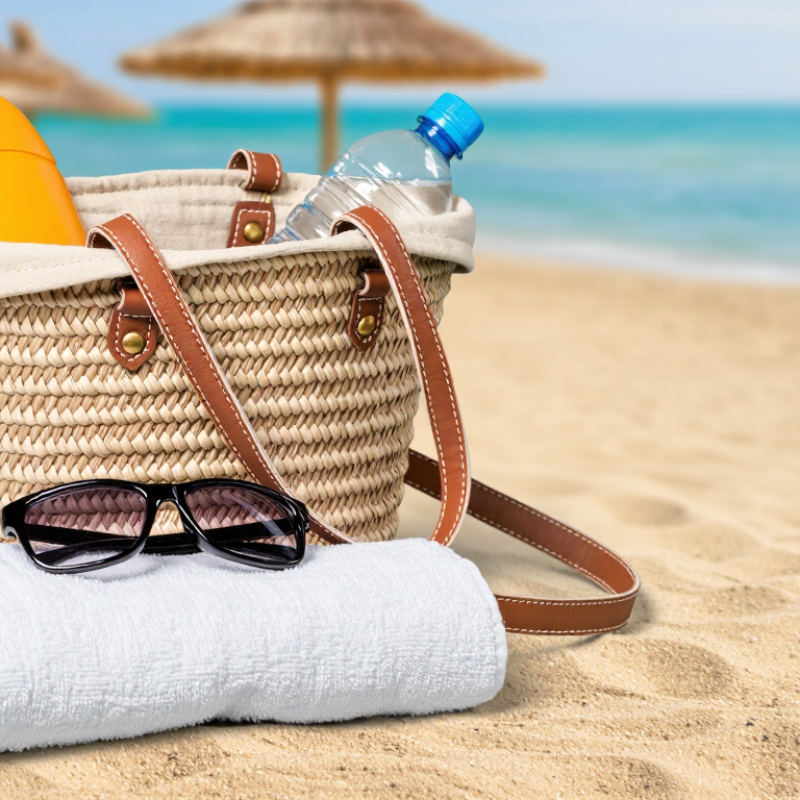
In practical use, a Straw Beach Bag can hold a towel, sunscreen, sunglasses, and a water bottle. Its open weave allows air to circulate, but sand may enter easily. That detail matters. A zipper or fabric lining offers better protection for smaller items. Before buying, check the stitching, handle attachment, and base strength. Weak seams can become uncomfortable when the bag is full.
Not every straw bag is equally durable. Natural fibers may soften, fade, or lose shape after repeated exposure to moisture and direct sunlight. Wipe the surface gently, let it dry completely, and store it in a cool place. Avoid treating all plant fibers as automatically sustainable. Farming methods, dyes, transport, and production standards can affect the final environmental impact. A thoughtfully made Straw Beach Bag can combine function, style, and responsible material choices. Still, it is not a perfect product. Its charm often comes with small compromises.
What Is a Straw Beach Bag?
Definition and Key Characteristics of a Straw Beach Bag
A straw beach bag is a carryall made from woven natural fibers, paper yarn, or straw-like materials. It usually has a broad opening, flexible handles, and a lightweight structure. Common details include braided edges, cotton lining, magnetic closures, and small interior pockets. The weave often feels slightly rough, with visible color changes and uneven strands. These variations are not always defects. They can show genuine hand-finishing, although quality still deserves careful checking.
A useful test is practical, not decorative. Place a towel, sunglasses case, water bottle, and book inside. The handles should remain comfortable, and the base should resist sagging. Most straw bags are breathable and light, but they are not automatically waterproof. Moisture can soften plant fibers, stain paper yarn, or distort the shape. Sand may also collect between tight woven rows. The label can mislead. Some products imitate straw with synthetic fibers, so material descriptions should be read closely.
Industry data shows why this category remains commercially relevant. Grand View Research valued the global handbags market at approximately 73.32 billion dollars in 2023, with projected growth through 2030. Straw bags represent only one segment, so this figure does not measure them directly. Textile Exchange reported global fiber production at about 124 million tonnes in 2023, highlighting the scale of material choices. For buyers, fiber origin, lining quality, stitching, and repairability matter more than a purely “natural” appearance. A beautiful weave can still fail under heavy daily loads.
| Dimension | Typical Characteristics | Practical Benefit | Important Note |
|---|---|---|---|
| Definition | A straw beach bag is a casual carryall made from woven, braided, or crocheted plant-based fibers and designed for warm-weather, seaside, and resort use. | Provides a relaxed seasonal style while carrying personal items. | “Straw” may describe the appearance; the exact fiber can vary by product. |
| Common Materials | Frequently made from raffia, seagrass, paper fiber, jute, palm leaves, or similar woven materials. Some designs use synthetic fibers for improved consistency or durability. | Creates a natural texture and lightweight structure. | Material performance depends on fiber quality, weave density, and finishing. |
| Construction | Typical forms include open-weave totes, structured baskets, shoulder bags, bucket bags, and foldable soft-sided designs. | Different constructions suit beach trips, shopping, travel, or everyday summer use. | Open weaves are breathable but may allow sand or small items to pass through. |
| Typical Size | Many beach totes measure approximately 35–55 cm wide, 25–40 cm high, and 10–20 cm deep, although sizes vary considerably. | Offers space for towels, sunscreen, sunglasses, books, and other beach essentials. | Check the stated dimensions before carrying bulky or heavy items. |
| Weight | A medium unlined straw tote commonly weighs about 300–800 g; reinforced or lined versions may weigh more. | Keeps the overall load comfortable for carrying over short distances. | Weight is affected by the fiber, hardware, lining, and structural reinforcement. |
| Handles and Straps | Handles may be made from woven straw, cotton, leather, canvas, rope, or synthetic materials. Shoulder straps are common on larger models. | Allows hand, shoulder, or crossbody carrying depending on the design. | Handle attachment points should be securely stitched or reinforced. |
| Interior Organization | Features may include a fabric lining, inner zip pocket, slip pocket, key loop, or a simple open interior. | Helps organize small valuables and protects delicate belongings. | Unlined bags are generally lighter but offer less protection from friction and sand. |
| Closure Type | Common closures include open tops, magnetic snaps, zippers, drawstrings, and leather or fabric ties. | A closure can help keep personal items contained during travel or movement. | Open-top designs provide quick access but offer limited security. |
| Water and Moisture Resistance | Most natural-fiber straw bags are not fully waterproof. Some have a coated exterior or water-resistant lining. | Limited moisture resistance may help with light splashes. | Prolonged soaking can cause swelling, discoloration, mildew, or shape distortion. |
| Durability | A tightly woven and well-finished bag can withstand regular light-to-moderate use, while loose weaves are more prone to snagging. | Suitable for seasonal outings and everyday carrying of moderate loads. | Avoid overloading, sharp objects, and rough surfaces that may damage the fibers. |
| Breathability | Open or semi-open weaves allow air to circulate through the bag. | Useful for beach accessories, towels, and lightweight clothing. | Breathability does not mean the bag protects contents from rain or water. |
| Care Requirements | Shake out sand, wipe gently with a slightly damp cloth, air-dry thoroughly, and store in a cool, dry place. | Helps preserve the bag’s shape, color, and fiber condition. | Machine washing, harsh detergents, and prolonged direct sunlight may cause damage. |
| Sustainability Considerations | Natural fibers may be renewable or biodegradable under suitable conditions, but dyes, coatings, mixed materials, and hardware affect the overall environmental profile. | A long service life and careful use can reduce the need for frequent replacement. | “Natural” does not automatically mean fully recyclable or compostable. |
| Best Uses | Beach visits, pool days, resort travel, farmers’ markets, summer shopping, picnics, and casual daily use. | Combines practical carrying capacity with a warm-weather aesthetic. | Not ideal for carrying very heavy equipment or protecting valuables from water. |
What Is a Straw Beach Bag?
A straw beach bag is a carryall made from plant-based fibers or straw-like materials. It usually has an open shape, broad handles, and a relaxed summer appearance. However, “straw” does not always mean dried grain stalks. Raffia, seagrass, paper straw, and wheat straw are common choices.
Raffia feels soft and flexible, so it suits folded or loosely woven bags. Seagrass feels firmer and creates a structured body. Paper straw offers a smooth, even texture, but it may weaken after repeated moisture exposure. Wheat straw can look rustic and textured. Material quality varies widely.
Construction affects durability more than appearance alone. Handwoven bags often show small differences between panels. Those differences are normal. Braided strips can form the body, handles, or decorative borders. Coiled fibers are stitched in circular rows, creating a firm base. Some bags use machine-woven panels for consistent sizing. Others combine woven material with fabric lining, leather-free handles, or reinforced seams.
Check the bottom carefully. It carries the greatest strain. Dense stitching and evenly spaced fibers usually indicate better workmanship. Handles should connect through several rows, not one thin edge. A lining helps protect personal items, while a closure improves security. Still, no straw bag is completely weatherproof. Even a well-made bag may lose shape when soaked. That limitation is easy to overlook.
A straw beach bag is a lightweight carryall woven from raffia, seagrass, jute, or paper straw. Its open texture suggests summer, but construction matters more than appearance. Grand View Research reported that the global handbags market was valued at approximately USD 73.3 billion in 2023, showing strong demand for practical fashion accessories. Straw bags occupy a smaller seasonal niche within that market.
Typical designs include roomy totes, compact shoulder bags, bucket shapes, and structured baskets. A medium tote, measuring about 35–45 centimeters wide, can hold a towel, sunscreen, sunglasses, and a paperback. Larger styles fit sandals and a change of clothing. Smaller bags suit short walks, though they often sacrifice storage. Flat bases, cotton linings, zip closures, and reinforced handles improve daily use. My practical concern is durability: tightly woven straw usually handles weight better, yet moisture can still weaken natural fibers.
Tips: Check the handle stitching before buying. Choose a lining for small items. Keep wet swimwear in a separate pouch. Avoid overfilling; rigid straw can crease or split. The GlobalData Apparel and Footwear Consumer Survey highlights comfort and functionality as important purchase factors, but beach use tests both. A beautiful bag may fail when sand enters every opening. That detail is easy to underestimate.
What Is a Straw Beach Bag?
Practical Uses for Beach Trips and Everyday Activities
A straw beach bag is a lightweight carryall made from woven straw or similar plant fibers. Its open texture gives it a relaxed summer appearance. More importantly, it can hold the small items people often need outdoors. A towel, sunscreen, sunglasses, water bottle, and paperback book fit comfortably in a medium-sized bag. Wide handles also make carrying easier during a long walk from the car to the shore.
It is not waterproof. I have learned this the inconvenient way after leaving a bag beside a damp towel. Use a separate pouch for phones, keys, and other sensitive items. A fabric liner can reduce sand buildup, while a firm base helps the bag stay upright on a picnic blanket. After a beach visit, shake it gently and let it dry fully in a shaded, ventilated place. Direct heat may weaken natural fibers or change their shape.
Away from the coast, a straw bag works well for grocery shopping, weekend markets, library visits, or a casual lunch outdoors. It can carry fresh produce, a light scarf, and a reusable bottle without feeling bulky. For office settings, however, loose weaving may not protect electronics or documents sufficiently. I sometimes overestimate its capacity. That mistake leaves the handles uncomfortable and the contents difficult to find. Choosing a structured design with an inner pocket makes daily use more practical. A simple cotton pouch can also separate small essentials.
What Is a Straw Beach Bag?
A straw beach bag is a lightweight carrier woven from natural or synthetic straw-like fibers. It usually holds towels, sunscreen, sunglasses, and a water bottle. Before buying one, check the weave closely. Tight, even rows resist stretching better than loose loops. I also inspect the handles. They should feel firmly attached, without sharp edges or visible glue. A flat base helps the bag stand on sand, although it may still tip on uneven ground.
Choose a size that matches your routine, not an imagined holiday. A medium bag is often easier to carry than an oversized style. Look for a lining or inner pouch if you carry small items. Dark colors can hide marks, but lighter fibers reveal cleaning needs earlier. Natural straw may vary in tone. That is normal. Still, I once ignored a scratch near a handle, and it widened after one busy beach day.
Keep the bag dry after use. Shake out sand outdoors, then wipe the surface with a soft, slightly damp cloth. Avoid soaking the fibers, strong detergents, and direct heat. Let it dry fully in a shaded, ventilated place. For storage, remove all items and fill the bag lightly with clean paper. This helps preserve its shape. Store it away from damp rooms, sharp objects, and heavy luggage. I prefer a breathable fabric cover, though I sometimes forget to use one.
A straw beach bag is a lightweight carryall woven from natural or synthetic straw-like fibers. It is commonly used for towels, sunscreen, books, and other beach essentials.
The chart shows a practical care schedule for a 12-use beach season. Wipe or brush away sand after each use, allow moisture to evaporate before storage, and keep the bag in a cool, dry, well-ventilated place. A breathable storage bag helps protect woven fibers from dust while reducing the risk of trapped moisture and mildew.
Copyright © 2025 · All Rights Reserved · Franchino Mold & Engineering