Where to Buy Vintage Tourist Cars in China?
Finding a Vintage Tourist Car in China starts with defining how it will be used. A resort shuttle, heritage park vehicle, and private collection piece need different specifications. Decide on passenger capacity, operating range, seating layout, and preferred styling before contacting sellers. Small details matter. A polished body can hide worn brakes or aging batteries.
Potential sources include electric-vehicle manufacturers, authorized sightseeing-car dealers, specialist refurbishers, and established industrial marketplaces. Some factories build retro-inspired tourist cars to order, while refurbishers may offer completed vehicles with visible wear. Ask for recent product photos, a written configuration, production timelines, and references from comparable buyers. Trade fairs can help you compare finishes in person. Still, an attractive display model is not proof of dependable service.
Inspect the vehicle or arrange an independent technical review before placing an order. Check the frame, tires, steering, brakes, battery system, charger, and availability of replacement parts. Request clear warranty terms and confirm who handles maintenance after delivery. For overseas purchases, clarify shipping, documentation, taxes, and local vehicle requirements with qualified professionals. These points can vary by destination. Do not rely on verbal promises alone; keep specifications and payment milestones in writing. Seller listings can be incomplete, and that is easy to overlook. A careful comparison takes time, but it can prevent expensive surprises and help you choose a Vintage Tourist Car suited to its real route, climate, and daily workload.
Understanding the Vintage Tourist Car Market in China
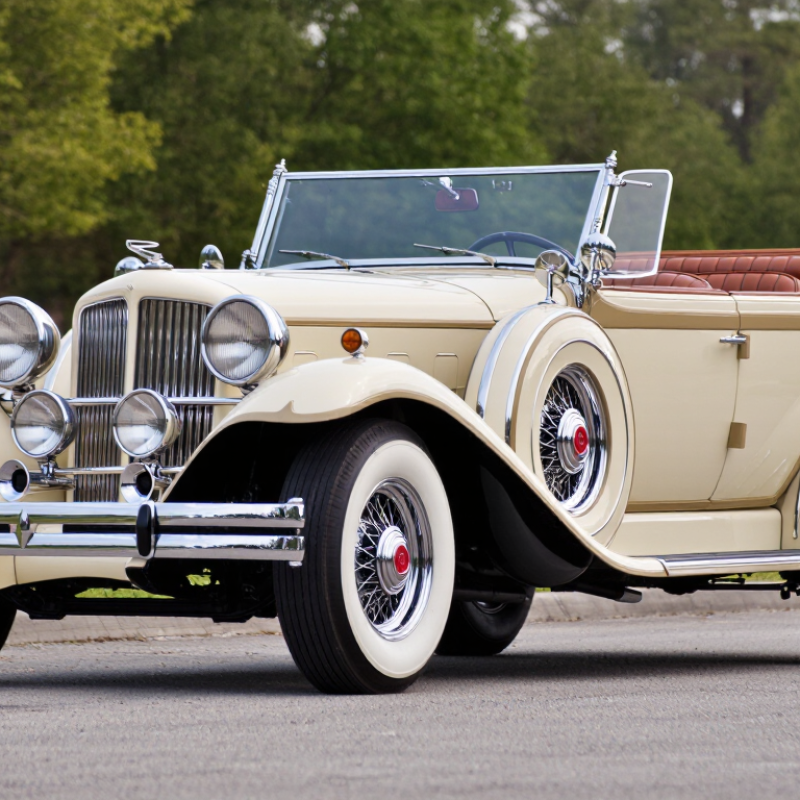
China’s vintage tourist car market is small, varied, and often local. Buyers may find restored vehicles through specialist classic-car dealers, collector networks, regional auctions, and carefully screened online listings. Availability changes quickly; a car displayed at a heritage venue may not be for sale. Tourist-use vehicles can also differ from private collection cars: interiors, seating, and weather protection may show heavier wear. Look closely. Check the chassis, body repairs, upholstery, electrical systems, and local availability of replacement parts. Ask for dated maintenance records and clear photographs of areas beneath carpets and around door sills.
Price depends less on age alone than on condition, documented history, restoration quality, and suitability for passenger service. A polished exterior can hide tired suspension or uneven repairs. Arrange an independent inspection before paying a deposit, and compare several vehicles rather than trusting one attractive listing. For tour use, discuss practical needs with the seller, including summer cooling, cabin access, luggage space, and repair downtime. Availability varies between cities, and older vehicles can be difficult to maintain. That is the awkward part. A sensible search starts with a clear use case, a realistic repair budget, and patience; the right car may not be the prettiest one at the first viewing.
Finding Vintage Tourist Cars on Chinese Online Marketplaces
Chinese online marketplaces can reveal vintage tourist cars that rarely appear in local classified ads. Search with several terms, including “vintage sightseeing car” and Chinese phrases for old sightseeing vehicles. Listings may use “vintage” loosely. Look closely.
Compare the vehicle’s stated year, passenger capacity, and power source across the description and photos. Ask for close images of the frame, tires, seats, dashboard, and any visible rust. A polished exterior can hide wear underneath. Request a recent walk-around video and ask when the vehicle last ran. I still find blurry underside photos easy to overlook.
Before paying, confirm the seller’s location and whether an in-person inspection is possible. Ask for available ownership and vehicle records, then check that the details match the car. Clarify loading, delivery, and any storage fees in writing. For a long-distance purchase, arrange an independent inspection if practical. Compare several listings rather than trusting one unusually low price. Photos help, but they cannot confirm steering, brakes, or engine condition. A careful search takes time, and sometimes the best listing is still not the right vehicle.
Exploring Classic-Car Dealers and Specialty Showrooms
Classic-car dealers and specialty showrooms are useful starting points for finding vintage tourist cars in China. Some display restored vehicles, while others connect buyers with private sellers or arrange searches. Call before visiting; the car in an online listing may already be gone. Ask for its production year, previous use, restoration history, and available ownership records. Clear answers matter.
Look closely beyond the polished paint. Check door gaps, floor panels, wheel arches, and the underside for uneven repairs or rust. A clean cabin can be reassuring, but it says little about the engine or frame. Take a qualified mechanic for an independent inspection, and request a cold start. Listen for rough idling, smoke, or unusual knocking. Small details count.
A specialty showroom may offer more time to inspect a vehicle, but presentation is not proof of condition. I would treat every description as a starting point, not a guarantee. Ask whether replacement parts are available and what work was done recently. Then verify the vehicle documents and local registration requirements with the relevant authorities before paying. Some questions feel awkward. Ask them anyway.
Buying Through Auctions, Collectors, and Restoration Shops
Auction listings can reveal rare touring cars, but photographs rarely show the whole story. Read the catalog carefully, then ask for service records, ownership documents, and clear images of the chassis and underside. Check whether the description distinguishes original parts from later replacements. Set a firm budget before bidding. Fees and transport can add up quickly. Look underneath.
Private collectors may offer cars with richer histories and useful maintenance notes. Ask how the vehicle was stored, driven, and repaired, and whether it has sat unused for years. A short test drive can expose steering play, smoke, or uneven braking. If a drive is not possible, arrange an independent inspection. A polished finish is not proof of sound mechanics.
Restoration shops can connect buyers with cars they have assessed or repaired. Request itemized invoices and photographs from before the work began. Ask what remains unfinished; vague answers deserve follow-up. A fresh restoration may look convincing while hiding rushed repairs, so examine seams, wiring, and floor panels with a qualified mechanic. It is easy to fall for bright paint. Resist that, even when the car feels like a perfect souvenir.
Where to Buy Vintage Tourist Cars in China? — Buying Through Auctions, Collectors, and Restoration Shops
| Buying route | What you may find | Typical buying process | Documents and checks | Main advantages | Risks and best suited for |
| Specialist vehicle auctions | Occasional classic passenger cars, older utility vehicles, and vehicles offered from private collections or estates. Selection varies by event. | Review the catalogue and sale terms, arrange an inspection where permitted, register to bid, and pay the hammer price plus any stated fees. | Confirm the vehicle identification number, ownership certificate, registration status, auction conditions, payment deadline, and transfer procedure. | A defined bidding process and access to several lots at one event; catalogues may include condition notes and ownership information. | Condition descriptions and buyer protections differ. Best for buyers who can inspect beforehand, understand the terms, and set a firm bidding limit. |
| Private collectors | Vehicles kept by individual enthusiasts, including unrestored examples, restored cars, and vehicles with historical records. | Find a seller through collector communities or personal referrals, inspect the car, agree on a written sale contract, and complete the ownership transfer. | Check that the seller is the registered owner or has authority to sell. Verify the registration certificate, vehicle identity, service history, and any restoration records. | Direct discussion with someone who may know the car’s history; private sales can offer more time for questions and inspection. | History and condition can be difficult to verify independently. Best for buyers able to arrange a specialist inspection and check paperwork carefully. |
| Restoration shops | Completed restorations, project cars, or vehicles sold on consignment. Stock and restoration capabilities vary from shop to shop. | Ask whether the vehicle is shop-owned or consigned, review the restoration scope, inspect the finished work, and put the sale terms in writing. | Request parts and repair records, photographs of work in progress, receipts where available, and proof of lawful ownership and registration. | A shop may explain repairs and identify work completed; a documented restoration can make the car’s condition easier to assess. | A visually polished car may still have hidden mechanical or structural issues. Best for buyers who want restoration support but will arrange an independent inspection. |
Before paying: Verify the vehicle’s identity and ownership documents, have an independent mechanic inspect it, and confirm with the relevant local vehicle-management authority whether it can be transferred, registered, and driven in the intended location. Requirements can vary by city and vehicle status.
Checking Vehicle History, Condition, and Registration Requirements
When shopping for a vintage tourist car in China, look through specialist dealers, collector referrals, and established vehicle marketplaces. Judge each seller by the records they can provide, not by polished photos. Ask for maintenance invoices, previous registration documents, and a written account of ownership changes. Compare the chassis number and engine details with the paperwork. A mismatch needs a clear explanation before you pay.
Inspect the car in daylight, preferably with an independent mechanic. Look closely at the frame, door sills, and floor for rust, fresh paint, or uneven repairs. Check that the brakes, steering, lights, and tires work as expected. Ask to start the engine cold; unusual smoke or rattling may warrant further checks. Small details matter. A clean finish can be persuasive, but treating it as proof of good condition is a weak shortcut. Even a careful inspection can miss hidden problems.
Before agreeing on a price, confirm with the local vehicle registration authority whether the car can be transferred and registered in your location. Requirements may depend on the vehicle’s age, current documents, and modifications. Verify that the seller can complete the ownership transfer and that the vehicle’s identification details match official records. Keep copies of the sale agreement and inspection findings. I would allow time for this check; it is easy to underestimate how much paperwork can affect a purchase.
