Why Choose Drawn Steel Wire Equipment for Your Business?
Choosing production equipment is not only a question of purchase price. It can affect wire consistency, throughput, energy use, and the time operators spend correcting defects. Drawn Steel Wire Equipment reduces wire diameter through controlled drawing stages. It can support repeatable production for fasteners, springs, mesh, and cable components. The right setup depends on the wire material, incoming rod size, target diameter, required tensile properties, and expected production volume.
Look beyond headline speed. A machine that runs quickly but causes frequent wire breaks may not improve daily output. Ask suppliers about die compatibility, lubrication, tension control, cooling, changeover time, and service support. Request trial data using material similar to yours, and check how the results were measured. Small differences matter. Even a well-specified line can disappoint if incoming material varies more than expected.
Also consider operator training, floor space, maintenance access, and integration with existing pay-off and take-up units. These details are easy to miss during a showroom visit. Yet they can shape long-term cost and reliability. There is no perfect specification sheet. Process discipline and material quality still matter, even with capable equipment. A careful comparison balances production targets with product quality, technical support, and realistic operating costs. Some uncertainty remains until a machine is tested under your conditions. This guide explores practical questions businesses can use to decide whether Drawn Steel Wire Equipment fits their needs on paper and on the factory floor.
What Drawn Steel Wire Equipment Is and How It Works
Why Choose Drawn Steel Wire Equipment for Your Business?
What Drawn Steel Wire Equipment Is and How It Works
Drawn steel wire equipment reduces the diameter of steel rod by pulling it through one or more hardened dies. Each die has a smaller opening than the incoming material. The process lengthens the steel while shaping it into a more consistent wire. It is controlled deformation, not magic.
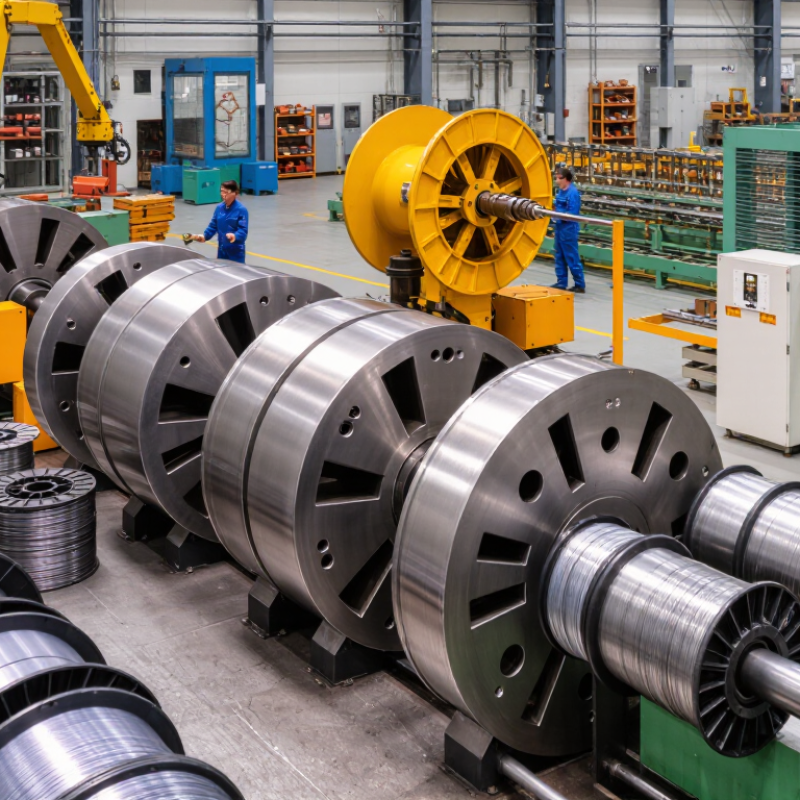
A typical line includes a payoff unit, drawing dies, capstans, lubrication systems, and a take-up spool. The payoff feeds rod into the machine. A capstan pulls it through the die, while lubricant helps limit friction and heat. On multi-die lines, the wire passes through several reductions in sequence. Operators monitor speed, tension, and surface condition because small changes can affect the finished wire.
The equipment can produce wire for springs, mesh, fasteners, and other components, depending on the steel grade and process setup. Some applications also require heat treatment between drawing stages to restore ductility. That matters. A machine’s output depends on more than its rated speed; die condition, incoming rod quality, and maintenance all play a part. Even with careful control, results may need adjustment when material batches vary. This is one detail buyers sometimes underestimate.
How Steel Wire Drawing Transforms Raw Material
Steel wire drawing converts a prepared rod into a thinner, more consistent product by pulling it through a hardened die. The process starts with surface cleaning, which removes scale that could scratch the wire or damage the die. The rod’s end is pointed, threaded through the die, and gripped by a rotating capstan. Then the machine pulls. Step by step, the wire reaches its target diameter.
Each die reduces the wire by a controlled amount. Lubrication helps limit friction and heat, while guides keep the wire aligned as it moves. Operators check diameter with gauges and inspect the surface for scoring or uneven marks. Small changes matter. A worn die or poor lubrication can create defects across a long coil, not just one short section. Some products also need heat treatment between drawing stages to restore useful properties.
Drawn steel wire equipment can help a business manage output, repeatability, and labor needs, but capacity alone is a weak buying measure. Match the line to the starting rod, required wire sizes, and inspection routine. No line removes every trade-off. A faster setting may increase heat or make defects harder to catch. It is easy to overestimate how much automation solves; careful setup and regular checks still matter.
Which Components Make Up a Wire Drawing System
A wire drawing system is a connected production line, not just a drawing machine. It typically begins with a payoff unit that holds the steel rod coil and feeds material steadily. A pointing machine narrows the rod tip so it can pass through the first die. Small details matter here: a poorly prepared tip can interrupt threading and waste setup time.
The drawing machine pulls the rod through hardened dies, reducing its diameter in controlled steps. Between passes, capstans guide and pull the wire, while a lubricant system helps limit friction and heat. Some lines use wet drawing; others use dry lubrication, depending on the wire and process requirements. Cooling and filtration also matter. Dirty lubricant can affect die life and surface quality. It is easy to overlook.
At the end, a take-up unit winds the finished wire onto a spool or coil. Controls coordinate speed and tension, and guards help protect operators around moving parts. Inspection equipment may check diameter, surface condition, or tensile properties, depending on production needs. Not every line needs the same configuration. Matching components to wire size, output targets, and available floor space takes careful planning—and sometimes the first layout needs revision.
How the Equipment Supports Business Production Goals
Drawn steel wire equipment can help a business meet production targets through steady output and repeatable wire dimensions. A well-matched drawing line pulls rod through a sequence of dies, reducing its diameter in controlled steps. Consistent tension and lubrication help limit surface marks and breaks. That matters. Even small variations can cause rejected coils or slow a downstream process. Good setup is essential; the equipment alone cannot guarantee quality.
Production goals depend on matching line capacity to the material, target diameter, coil size, and available floor space. Adjustable drawing speed and accessible dies can make changeovers easier. Operators can track output, scrap, downtime, and die wear to see where production loses time. Look beyond the purchase price: energy use, maintenance, and replacement dies also affect operating costs. More speed can expose weak process controls. A slower, stable line may suit a smaller operation better, though every shop has different needs.
Tips: Record wire breaks and changeover times by shift. Review the figures with operators; their practical observations may reveal issues the production log misses.
What to Consider When Choosing Drawn Steel Wire Equipment
Choosing drawn steel wire equipment starts with the wire you actually plan to produce, not the machine’s headline speed. List the steel grades, incoming rod diameters, finished wire sizes, and required output per shift. A line designed for one diameter range may struggle when frequent size changes become routine. Be specific.
Check the drawing sequence and reduction per pass against your product range. Ask how quickly operators can change dies, thread the wire, and clear a break. Inspect the capstans, guards, lubrication system, and take-up arrangement in person. These details affect surface finish, downtime, and handling. A clean sample is useful, but a sustained trial run reveals more. Measure wire diameter at several points and compare the results with stated tolerances.
Also compare energy use, spare-part availability, maintenance access, and training needs. Look for clear service intervals and machine drawings, not vague promises. Ask what happens when a bearing heats up or a die wears unevenly. It sounds minor. It isn’t. Even a careful checklist can miss something, so involve the people who will run the line every day. Estimates rarely capture every snag.
