Why Choose Injection Tooling for Global Sourcing?
Global sourcing demands more than a low quoted price. It requires repeatable quality, predictable lead times, and clear technical communication. Injection tooling can support these goals when product volumes justify the initial investment. A well-designed mold produces consistent parts across approved production runs. It also helps buyers compare suppliers using measurable details, including cycle time, cavity balance, steel grade, and inspection results. In practical projects, these details matter. A small mismatch at a parting line can create flash, rework, or delayed assembly. Experienced engineers review drawings, resin behavior, cooling layouts, and maintenance plans before approving a supplier. They also verify capability through sample parts, dimensional reports, and controlled trial runs.
For international buyers, this process creates a stronger basis for supplier selection. Tooling ownership, spare components, revision control, and shipping responsibilities should be documented clearly. Independent audits and recognized quality systems can add confidence, but certificates alone are not enough. Site visits, production records, and direct technical discussions often reveal practical risks earlier. Cost still matters. However, the cheapest tool may bring shorter life, unstable tolerances, or expensive corrections. Injection tooling is not a perfect answer for every product. Low-volume programs may favor alternative methods, even when tooling appears attractive. That limitation deserves honest review. With verified suppliers, realistic specifications, and disciplined follow-up, injection tooling can turn global sourcing into a more controlled, scalable decision.
Injection Tooling Fundamentals: From CAD Data to Repeatable Parts
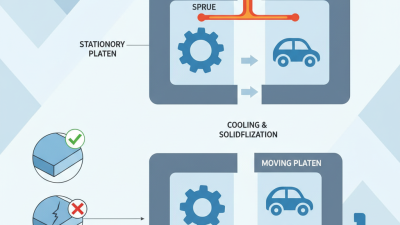
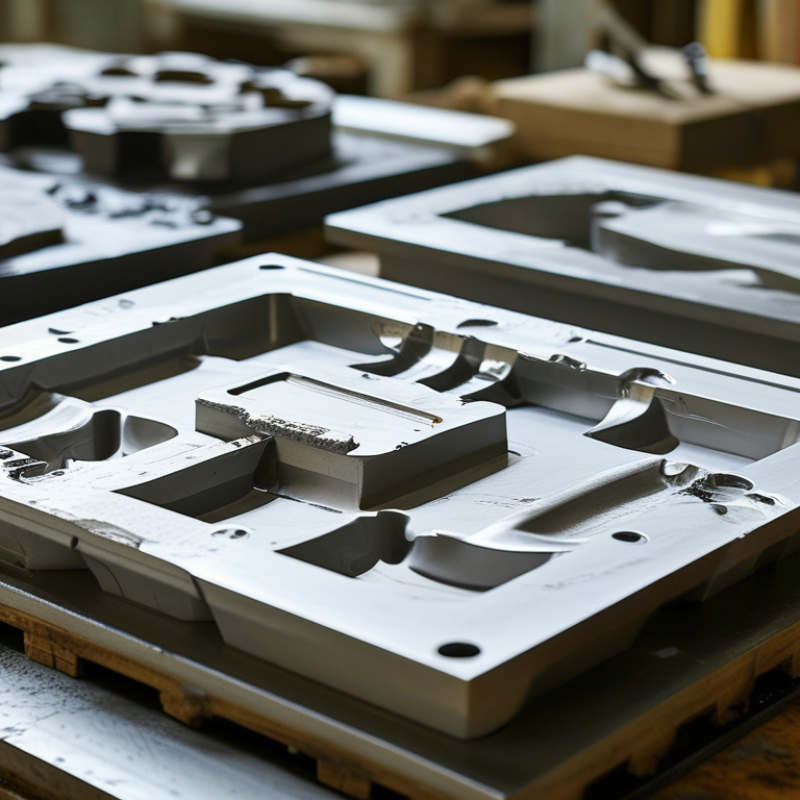
Injection tooling turns digital geometry into repeatable physical parts. The process starts with clean CAD data, but clean does not mean production-ready. Engineers inspect wall thickness, draft angles, ribs, bosses, and undercuts before steel is cut. A small draft omission can create drag marks or damage during ejection. That mistake is expensive to discover late. Good tooling decisions also consider resin flow, shrinkage, parting lines, and gate position. These details connect design intent with factory reality.
After design review, toolmakers build core and cavity components from suitable steel or aluminum, depending on volume and cycle demands. Cooling channels need balanced coverage, especially near thick sections. Uneven cooling can leave sink marks, warpage, or long cycle times. The first trial, often called T1, is evidence, not proof. Technicians inspect dimensions, flash, weld lines, surface finish, and fill behavior. Coordinate measurement and documented samples help teams compare results across suppliers and locations. That traceability supports more reliable global sourcing.
Repeatability comes from a controlled process window, not tooling alone. Clamp force, melt temperature, injection speed, holding pressure, and cooling time must work together. Minor adjustments can change part weight and critical dimensions. They should be recorded. Tool maintenance matters too. Vents clog, surfaces wear, and ejector pins can lose alignment. A practical sourcing team asks for inspection data, revision control, spare components, and a clear correction plan. Perfection is rarely achieved on the first attempt. Careful feedback makes the next shot better.
Why Choose Injection Tooling for Global Sourcing?
Injection Tooling Fundamentals: From CAD Data to Repeatable Parts
Mold shrinkage varies by polymer and must be considered during CAD review and tool design. These typical linear shrinkage ranges show why material selection, flow analysis, mold compensation, and process validation are essential for producing repeatable parts across global manufacturing locations.
Values are typical industry ranges; actual shrinkage depends on grade, geometry, wall thickness, fiber content, mold design, and processing conditions.
Tool Life Economics: SPI Class 101 Molds Deliver 1M+ Production Cycles
Why Choose Injection Tooling for Global Sourcing?
For global sourcing, tool life often matters more than the initial mold quotation. SPI Class 101 molds are designed for one million or more production cycles. The SPI Mold Standards Classification System identifies this class for high-volume manufacturing and demanding production schedules. Hardened steels, replaceable wear components, and careful cooling design support that target.
Consider a $120,000 mold. At one million cycles, the basic tooling cost equals $0.12 per cycle. At 100,000 cycles, it becomes $1.20 per cycle. That difference can reshape landed cost, especially across several plants. The Plastics Industry Association’s 2024 Size and Impact Report estimated U.S. plastics industry shipments at about $548 billion. Such scale makes repeatable tooling economics difficult to ignore.
The uncomfortable part is that one million cycles is not a warranty. Abrasive resins, poor venting, uneven cooling, and rushed maintenance can shorten tool life. Production teams should request cycle records, steel specifications, inspection points, and a realistic maintenance plan. A mold can survive on paper and still underperform in a factory. That happens.
For international programs, design teams should also review spare inserts, repair access, and local service capability. These details reduce downtime when a small slide or cavity edge wears unexpectedly. A lower quotation may look attractive, but its cost per acceptable part can rise quickly. Experienced sourcing decisions measure output, maintenance, quality variation, and transport delays together.
Global Cost Control: Calculate Unit Price, MOQ, Tariffs, and Tooling ROI
Injection tooling can make global sourcing more predictable, but the unit price is only one part of the decision. A low quoted price may hide a high mold investment, large MOQ, or expensive freight. Calculate the complete landed cost before approving production.
For example, a tool costing $18,000 may support 100,000 parts. At $0.22 per part, the tooling allocation adds $0.18 per unit. Add packaging, ocean freight, insurance, import duties, and possible inspection fees. Tariffs depend on product classification, origin, and current trade rules, so confirm them with a qualified customs professional. Small errors compound.
MOQ also affects cash flow. If the factory requires 20,000 pieces, estimate storage space and the time needed to sell that inventory. A smaller trial order may cost more per unit, yet it can reduce demand risk. I have seen teams focus on a $0.03 saving while carrying months of excess stock. That is not real savings.
Tooling ROI should use realistic volume, not optimistic forecasts.
A simple formula is: tooling cost divided by the per-unit saving, then adjusted for rejected parts, maintenance, and engineering changes. For instance, an $18,000 tool saving $0.30 per unit reaches break-even near 60,000 units. However, the calculation changes if the design needs revision after sampling. Leave room for that possibility. Supplier audits, material certificates, dimensional reports, and production samples also strengthen sourcing reliability.
Quality Assurance: Apply ISO 9001 and ISO 20457 Across Supplier Networks
Injection tooling becomes more valuable when quality controls travel with the mold. ISO 9001 gives supplier networks a repeatable framework for risk, records, corrective action, and customer feedback. The ISO Survey 2022 recorded 1,265,216 ISO 9001 certificates worldwide. That scale matters. Certification alone does not guarantee a stable cavity. Auditors still need evidence. Look for calibrated gauges, lot traceability, controlled revisions, and documented nonconformance decisions.
ISO 20457 adds the technical language injection projects often lack. It defines tolerances and acceptance conditions for molded plastic parts. These requirements connect drawing dimensions with material behavior, shrinkage, tooling design, and inspection methods. On a real program, a 0.2-millimeter mismatch can appear as flash, warpage, or poor assembly. Measure at agreed locations. Record temperature and conditioning. Without these details, suppliers may report different truths from identical parts. PlasticsEurope’s Plastics—The Fast Facts 2024 reported 413.8 million tonnes of global plastics production in 2023, highlighting the scale of process consistency required.
Global sourcing works better when the tool, drawing, and quality plan share one revision. Require first-article data before shipment, then compare process capability over production runs. Ask how cavities are balanced and how wear triggers maintenance. A useful supplier may admit uncertainty. That admission is healthier than polished paperwork. Still, ISO 9001 and ISO 20457 cannot replace engineering judgment. Material changes, cosmetic expectations, and unclear datums can defeat a compliant process. Build those decisions into the purchase specification, not an urgent email after failure.
Sourcing Execution: Compare Lead Times, Capacity, Logistics, and Risk
Why Choose Injection Tooling for Global Sourcing?
Injection tooling can make global sourcing more predictable when production volumes justify the initial investment. It creates repeatable parts, controlled cycle times, and a clearer path from approval to shipment. Yet the tool is not the whole decision. Lead time starts before cutting steel. Design reviews, material selection, mold-flow checks, and trial shots can add weeks. Experienced sourcing teams should request a stage-by-stage schedule, not one optimistic delivery date. Capacity matters just as much. A capable supplier may own several machines, but available slots, skilled technicians, and inspection resources determine actual output. Ask for monthly capacity, backup equipment, maintenance plans, and evidence from comparable projects. Numbers beat assurances.
For global sourcing, logistics can quietly erase a tooling advantage. Confirm where the mold will be built, where parts will be produced, and how replacement components will move. Freight routes, customs documentation, packaging strength, and local holidays can affect delivery. I have seen schedules fail because a small spare insert was not planned. That detail felt minor until production stopped. Risk also includes engineering changes, unclear ownership, and limited technical communication across time zones. A written change-control process protects both cost and timing. It may feel slow at the start. It is usually cheaper than repairing confusion later.
Tips:
Compare total sourcing time, not only tool completion. Request trial-shot records, inspection data, and capacity commitments. Keep a contingency window for freight and approvals. Review the plan with manufacturing, logistics, and quality specialists. Planning can still be imperfect, but visible assumptions are easier to correct.