
Why Is Excavator Gear Important for Your Machine?
Excavator Gear may look like a collection of teeth, tracks, rollers, and cutting edges, but these parts shape how a machine works every day. A worn bucket tooth can make digging slower. Damaged track components can affect travel and stability. Small defects matter. They can also become costly if crews overlook them during routine inspections. The right gear helps an excavator transfer force, grip the ground, and handle demanding work with less avoidable wear.
For this draft, the quote below is an original illustrative line, not a verified published statement. Alex Morgan is a fictional expert name and should be replaced with a real, approved specialist before publication: “Good excavator gear does more than withstand hard work; it helps the whole machine work as intended.” The principle is simple, though real conditions are not. Soil, job demands, maintenance habits, and machine setup all affect component life. Even experienced operators can miss early wear when a machine seems to be running normally. That deserves a closer look. This guide explains why Excavator Gear matters, which components deserve attention, and how informed inspections can support reliable performance. It is not a promise that one part or product fits every machine. Check the manufacturer’s specifications, and treat unusual wear as a reason to investigate rather than guess.
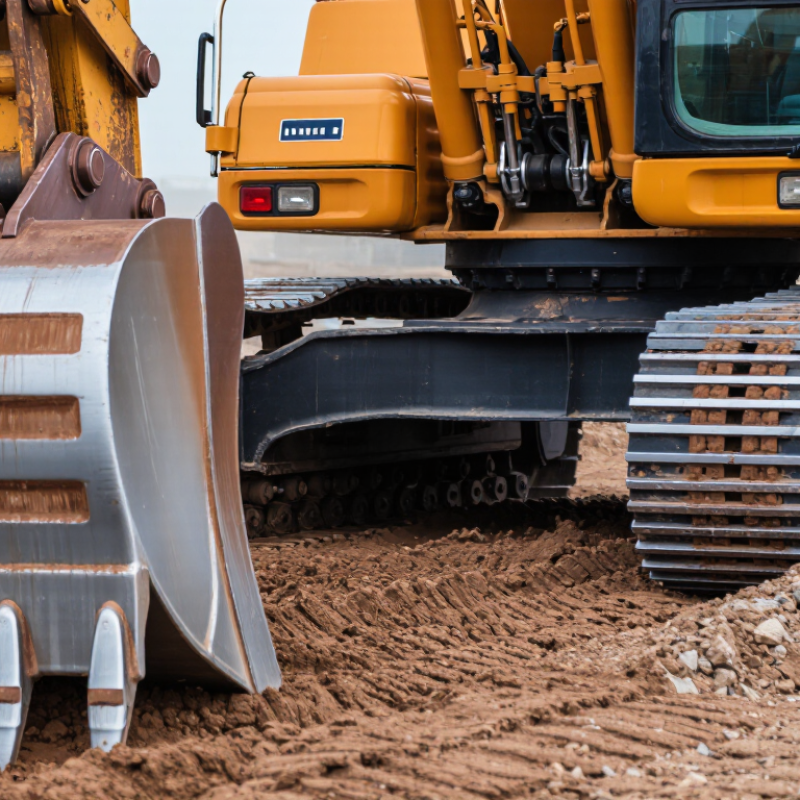
What Excavator Gears Are and How They Work
Excavator gears transfer engine power to the tracks, swing system, and hydraulic pumps. In the travel drive, a compact planetary gear set reduces motor speed and multiplies torque, helping the machine crawl over uneven ground. The swing gearbox uses reduction gears to rotate the upper structure with control. You can picture the difference at a muddy site: the engine spins quickly, while the tracks move slowly with substantial pushing force. Hydraulic systems do much of the digging work, but gears help deliver power where it is needed.
Inside a planetary set, a central sun gear drives smaller planet gears, which mesh with an outer ring. Their combined motion creates a lower output speed and higher torque. Gear teeth need a stable oil film; gritty oil or low lubricant can speed wear and cause heat. The McKinsey Global Institute’s 2017 construction report found that labor productivity in construction had grown about 1% annually over two decades, compared with 3.6% across the global economy. That is not a gear-failure statistic, but it helps explain why avoidable machine downtime matters. A practical inspection starts with oil level, leaks, unusual whine, and metal particles in drained oil. Still, sound alone can mislead; temperature and oil analysis provide better evidence. Some wear is easy to miss.
| Gear or System | Where It Is Found | How It Works | Why It Matters | Common Signs of a Problem | Practical Care |
|---|---|---|---|---|---|
| Travel reduction gear | Inside each travel drive, between the hydraulic travel motor and the track sprocket. | A reduction gear set—often planetary—lowers motor speed and increases torque delivered to the sprocket. | It helps the excavator move its tracks and generate the tractive force needed for travel and climbing within the machine’s operating limits. | Unusual knocking or grinding, oil leaks, excessive heat, metal particles in the oil, or one track moving differently from the other. | Check lubricant level and condition as specified in the operator’s manual. Investigate leaks and abnormal noise promptly. |
| Swing reduction gear | Between the swing motor and the swing bearing or its drive gear. | The reduction gearing slows motor rotation and increases output torque to rotate the upper structure. | It enables controlled slewing of the cab, boom, and upper frame while the undercarriage remains in place. | Jerky or slow rotation, unusual gear noise, oil leakage, excessive backlash, or difficulty stopping smoothly. | Inspect for leaks and loose or damaged components. Use the specified lubricant and follow the prescribed inspection intervals. |
| Hydraulic pump drive gears and couplings | In the mechanical connection between the engine and hydraulic pump; the exact design varies by machine. | The engine supplies mechanical power to the pump. Some excavators use gear-type pumps for particular circuits, while many main pumps are other pump designs. | Reliable power transmission supports hydraulic flow for functions such as boom, arm, bucket, travel, and swing. | Abnormal drive noise, vibration, visible coupling wear, or hydraulic performance problems that require diagnosis. | Keep the hydraulic system clean and service it according to the machine’s specifications. Have drive components inspected if symptoms appear. |
| Gear teeth and gear mesh | Within reduction gear assemblies and other mechanical power-transmission components. | Mating teeth transfer rotation and torque. Their alignment, lubrication, and clearance affect how smoothly loads pass through the assembly. | Proper gear contact helps limit wear, noise, heat, and power loss. | Chipped or pitted teeth, metal debris in lubricant, recurring noise, or an increase in operating temperature. | Use the lubricant grade and service procedure specified for the component. Do not adjust gear clearance without the correct service instructions. |
| Lubrication and seals | Gear housings, bearings, shafts, and sealing points in the travel and swing drives. | Lubricant separates moving surfaces and carries heat away; seals help retain lubricant and keep contaminants out. | Good lubrication reduces friction and wear, helping gears and bearings operate reliably. | Low or contaminated oil, repeated leaks, water intrusion, burnt odor, or visible metallic particles. | Check oil at the intervals and conditions stated in the manual. Use the specified lubricant and correct any leak rather than simply topping up repeatedly. |
| Load, operation, and service life | Across gear-driven travel and swing components. | Gears carry changing loads during acceleration, turning, travel, and work on uneven ground. | Excessive shock loading, poor maintenance, or continued operation with a developing fault can accelerate wear and lead to costly repairs or downtime. | New or worsening noise, heat, vibration, leaks, or a noticeable change in travel or swing performance. | Operate within the machine’s rated limits, avoid unnecessary abrupt movements, and arrange qualified inspection when warning signs persist. |