
Choosing an Electric Panel Box is not merely a matter of selecting a metal enclosure. It is a decision about safety, organization, serviceability, and future electrical demand. Inside the box, breakers must remain clearly identified and securely mounted. Outside, the enclosure must protect components from dust, moisture, impact, and accidental contact. A well-selected panel can make troubleshooting calmer, faster, and less expensive.
Mike Holt, a respected electrical educator and safety authority, has stated, “The electrical panel is the heart of the electrical system.” His observation explains why panel selection deserves careful attention. A dependable Electric Panel Box should match the system’s voltage, current capacity, circuit count, grounding method, and installation environment. It should also provide enough working space for neat conductor routing. Crowded wiring is difficult to inspect. It can hide loose connections and create avoidable heat.
Look closely at the details. A quality box feels rigid, closes firmly, and keeps labels readable. Compatibility matters too; breakers and accessories should be approved for the specific panel design. Local code requirements and manufacturer instructions must guide the final choice. A qualified electrician should verify the installation.
Bigger is not always better. Neither is cheaper.
Some projects need expansion space, while others need compact protection in a dry indoor location. I have seen how rushed selections create awkward bends, unclear labels, and frustrating maintenance later. That experience leaves an important question: are we choosing for today only, or building a safer system for tomorrow?
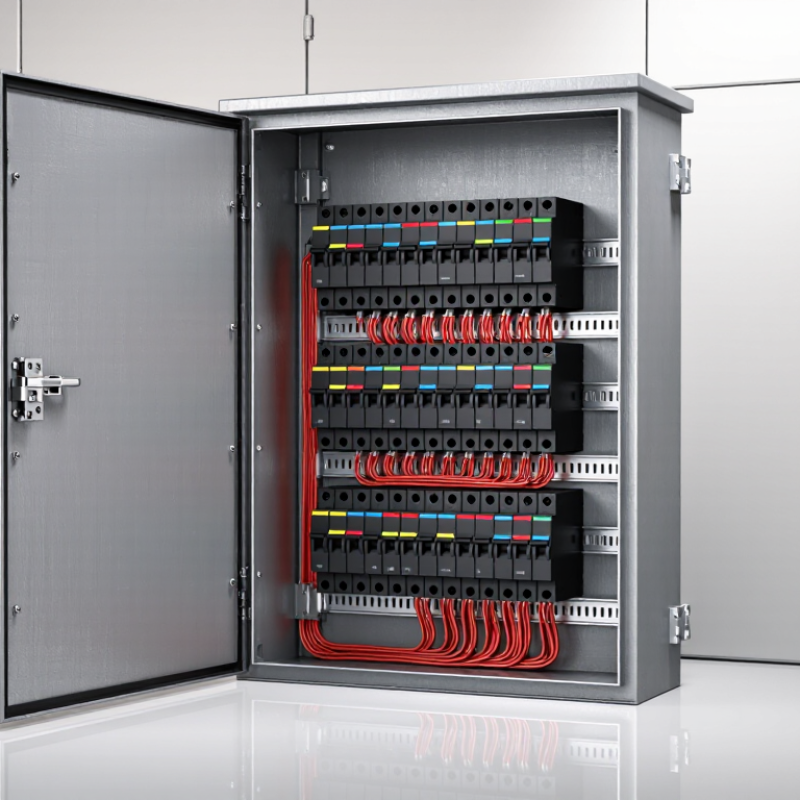
An electric panel box is the central distribution point for a building’s electrical system. It receives power from the utility service and sends it through separate branch circuits. Inside, circuit breakers protect wiring from overloads and short circuits. The main breaker can disconnect power to the entire panel during maintenance or emergencies. Neutral and grounding bars also help manage current safely.
Choosing the right panel box depends on the building’s electrical demand, available space, and future expansion plans. A small home may need fewer circuits than a workshop with heaters, pumps, or charging equipment. The enclosure should match the installation environment, especially where moisture, dust, or impact is possible. Clear circuit labels matter too. They save time when a breaker trips.
From practical inspections, loose connections and poor labeling cause avoidable confusion. A panel may look tidy while hiding an overloaded circuit. That detail is easy to miss. I once saw a spare breaker space mistaken for extra capacity, although the service rating had already been reached.
A qualified electrician should verify the service rating, conductor sizes, grounding, and local code requirements before installation. Never remove the panel cover casually. Even with the main breaker switched off, dangerous voltage can remain inside.
Good selection is not only about appearance or breaker count; it is about verified capacity, safe access, and dependable protection.
An electric panel box acts as the control center for a building’s electrical system. Utility power enters through the main service conductors and reaches the main breaker. This breaker can disconnect power during maintenance or serious faults. From there, electricity travels along metal bus bars inside the panel.
Each branch breaker connects to a separate circuit. One may supply bedroom outlets, while another serves kitchen appliances or lighting. When a circuit draws excessive current, its breaker trips and interrupts the flow. This action helps protect wiring from overheating and reduces fire risk.
Small details matter.
The panel also distributes power through hot, neutral, and grounding conductors. Hot wires carry electrical energy to loads. Neutral wires return current under normal conditions. Grounding paths help direct fault current away from people and equipment. A properly arranged panel keeps these functions distinct, although older installations may contain confusing or outdated wiring.
Load distribution deserves careful attention. Large appliances can overload a shared circuit, even when the panel appears spacious. Electricians check breaker ratings, wire sizes, available capacity, and connections before adding equipment. Loose terminals may create heat, discoloration, or a faint buzzing sound. I have found that labels are often incomplete, so circuit testing should confirm them. Homeowners should never remove the panel cover casually; qualified electrical professionals should inspect internal components and perform repairs according to local safety requirements.
An electric panel box organizes a building’s electrical circuits in one accessible location. It distributes power to lights, outlets, appliances, and dedicated equipment. Clear circuit labels can reduce confusion during repairs and help occupants shut off power quickly during an emergency. That practical access matters.
Modern panels also improve protection. Circuit breakers can interrupt abnormal current before damaged wiring creates excessive heat. Many installations support ground-fault and arc-fault protection, depending on local electrical requirements. A properly sized panel provides room for future circuits, such as an electric vehicle charger or workshop equipment. Spare capacity is useful.
During inspections, I look for tight connections, correct breaker ratings, and visible signs of overheating. A warm cover, buzzing sound, or burnt odor deserves prompt attention. However, a larger panel is not automatically better. Its rating must match the service capacity, conductor size, and building demand. This detail is easy to overlook.
Professional installation supports dependable performance. A qualified electrician should verify grounding, bonding, labeling, and compliance with applicable codes. Maintenance still matters. Dust, moisture, corrosion, or repeated breaker trips can reveal deeper problems. Even well-designed systems need review as electrical loads change.
Choosing an electric panel box starts with matching its type to the building’s actual demand. A main breaker panel suits many homes, while a subpanel expands circuits in workshops or additions. An outdoor-rated enclosure protects equipment from rain, dust, and changing temperatures. For garages, utility rooms, or damp areas, weather and corrosion resistance deserve close attention. Not every large box is better.
Look for the correct ampacity, available circuit spaces, and compatible breaker arrangement. A panel with spare spaces can support future appliances, though unused capacity does not replace proper load calculations. Busbar material, enclosure strength, grounding provisions, and clear labeling affect long-term safety. I have seen crowded panels make routine inspection slower and mistakes easier. That detail matters. A transparent directory and generous wiring room can save time during maintenance. Check the enclosure rating, especially where water or fine dust may enter.
Installation should follow local electrical rules and be assessed by a qualified electrician. They can verify service capacity, conductor sizing, grounding, and fault protection before energizing the panel. Smart monitoring features may show circuit use, but their readings need sensible interpretation. A display cannot detect every wiring problem. One practical compromise is cost. A cheaper enclosure may lack room, durable finishes, or dependable documentation. Review the panel schedule, test accessible protective devices, and leave space for thoughtful expansion.
Electric panel boxes are selected according to current capacity, circuit expansion needs, installation environment, and safety requirements. The chart compares common nominal service ratings used in residential and light-commercial electrical installations.
How to read the chart: Higher-rated panels can support greater electrical loads, but the correct rating must match the service entrance, feeder conductors, overcurrent protection, and the calculated building load. Common features to consider include available circuit spaces, indoor or outdoor enclosure ratings, main-breaker configuration, surge protection, and compatibility with the electrical system.
Why Choose an Electric Panel Box?
Safety, Installation, and Maintenance Requirements
An electric panel box organizes circuits and gives faults a controlled path. Safety starts with correct sizing, grounding, bonding, and clear circuit labeling. NFPA’s Home Structure Fires report for 2016–2020 found electrical distribution and lighting equipment involved in 24% of reported home fires. These systems also contributed to 43% of civilian fire deaths. Those figures make installation quality impossible to treat as a minor detail.
A qualified electrician should verify load calculations before installation. The enclosure must match the environment, including moisture, dust, and available working space. Required protection may include ground-fault or arc-fault devices, depending on local regulations. OSHA identifies electrocution as one of construction’s “Fatal Four” hazards. A clean-looking panel can still hide a loose termination. Appearance is not proof of safety. During maintenance, technicians should inspect heat discoloration, corrosion, damaged insulation, and unusual odors. Connections should be tightened according to the equipment manufacturer’s torque specifications. Guesswork can create new hazards.
Tips: Keep the panel accessible and dry. Leave a current circuit directory inside the door. Test protective devices according to their instructions. Schedule professional inspections after renovations or major load changes. Infrared scanning can reveal abnormal heating, but it does not replace de-energized testing. I would not rely on a single inspection method. Panels age quietly, and small warning signs are easy to dismiss.
| Requirement or Feature | Recommended Practice | Safety or Performance Benefit | Inspection or Maintenance Guidance |
|---|---|---|---|
| Electrical Rating | Select a panel with an ampere rating and voltage rating suitable for the service, feeder, connected load, and local electrical requirements. | Helps prevent overloading, excessive heating, nuisance tripping, and premature equipment failure. | Have a qualified electrician verify the panel rating whenever the service, major appliances, or circuits are upgraded. |
| Code Compliance | Install the panel in accordance with the locally adopted electrical code and obtain required permits and inspections. | Ensures that enclosure, wiring methods, protection devices, grounding, and working clearances meet applicable safety requirements. | Requirements can vary by jurisdiction and building type; confirm details with the local authority having jurisdiction. |
| Qualified Installation | Use a licensed or otherwise qualified electrical professional for installation, modification, testing, and service. | Reduces the risk of electric shock, arc flash, incorrect conductor termination, and concealed wiring defects. | Do not remove the panel cover or work inside the enclosure unless you are trained and authorized to do so. |
| Safe Working Space | Keep the area in front of the panel clear. A commonly used code benchmark is approximately 30 inches of width, 36 inches of depth, and 6 feet 6 inches of headroom, subject to local rules. | Provides safe access for operation, inspection, emergency shutoff, and maintenance. | Never use the required working space for storage or place furniture, shelving, or equipment in front of the panel. |
| Overcurrent Protection | Use circuit breakers or fuses correctly matched to the conductors, equipment, and panel listing. Do not install a higher-rated breaker to stop nuisance tripping. | Limits current during overloads and short circuits, helping protect conductors and reduce fire risk. | Investigate repeated trips instead of resetting the device continuously. A qualified electrician should identify the cause. |
| GFCI and AFCI Protection | Provide ground-fault circuit-interrupter and arc-fault circuit-interrupter protection where required by the applicable code, location, and circuit use. | GFCI protection helps reduce shock risk; AFCI protection helps reduce risks associated with arcing faults. | Test devices using their test controls at the interval recommended by the device instructions and local requirements. |
| Grounding and Bonding | Ensure the grounding electrode system, equipment grounding conductors, bonding connections, and neutral conductors are installed correctly. | Provides a low-impedance fault path and helps protective devices operate during a fault. | In many feeder-supplied subpanels, the neutral is isolated from the enclosure while the equipment grounding bar is bonded; the exact arrangement must be verified by a qualified electrician. |
| Conductor Terminations | Terminate conductors in approved terminals, use compatible conductor types and sizes, and tighten connections to the torque values specified by the equipment instructions. | Proper terminations reduce resistance, hot spots, arcing, and loose-connection failures. | Do not guess torque values. Inspection or re-torquing should be performed by a qualified professional using the applicable manufacturer instructions. |
| Enclosure and Location | Use an enclosure suitable for the environment, with the correct protection against moisture, dust, physical damage, and corrosion. | Protects energized components from environmental hazards and accidental contact. | Check for water entry, rust, cracked covers, missing knockouts, damaged hinges, or signs that the enclosure is not properly secured. |
| Labeling | Clearly identify each circuit and update the directory after additions, removals, or circuit changes. | Allows occupants and emergency personnel to disconnect the correct circuit quickly. | Verify labels by operating one circuit at a time; do not rely on outdated or incomplete descriptions. |
| Routine Visual Inspection | Look for discoloration, melted insulation, unusual odors, buzzing, crackling, corrosion, loose covers, or breaker damage. | Early detection can prevent equipment damage, electrical shock, and fire hazards. | Arrange prompt professional evaluation if any warning sign appears. Do not touch or disturb visibly damaged components. |
| Cleaning and Ventilation | Keep the outside of the enclosure clean and dry. Do not spray liquid, insert tools, or block ventilation openings where ventilation is part of the design. | Reduces contamination and helps maintain safe operating conditions. | Cleaning inside the panel should be performed only by a qualified electrician after proper isolation and verification of de-energization. |
| Thermal Inspection | Where appropriate, a qualified professional may use infrared equipment to identify abnormal heating under suitable operating conditions. | Can reveal overloaded circuits or high-resistance connections that may not be visible during a basic inspection. | Thermal scanning does not replace electrical testing, code inspection, or repair of the underlying fault. |
| Emergency Response | If there is smoke, fire, sustained arcing, or a strong burning odor, move away, call emergency services, and avoid contact with the panel. | Limits exposure to arc flash, electric shock, toxic smoke, and fire. | Do not repeatedly reset a breaker or use water on an energized electrical fire. Repairs require qualified professional assessment. |
| Expansion Capacity | Choose a panel with sufficient spaces and load capacity for foreseeable additions, while avoiding unused openings and incompatible devices. | Supports organized expansion without unsafe overcrowding or improvised modifications. | Any new circuit should be load-calculated, protected, wired, labeled, and inspected according to local requirements. |
Copyright © 2025 · All Rights Reserved · Franchino Mold & Engineering